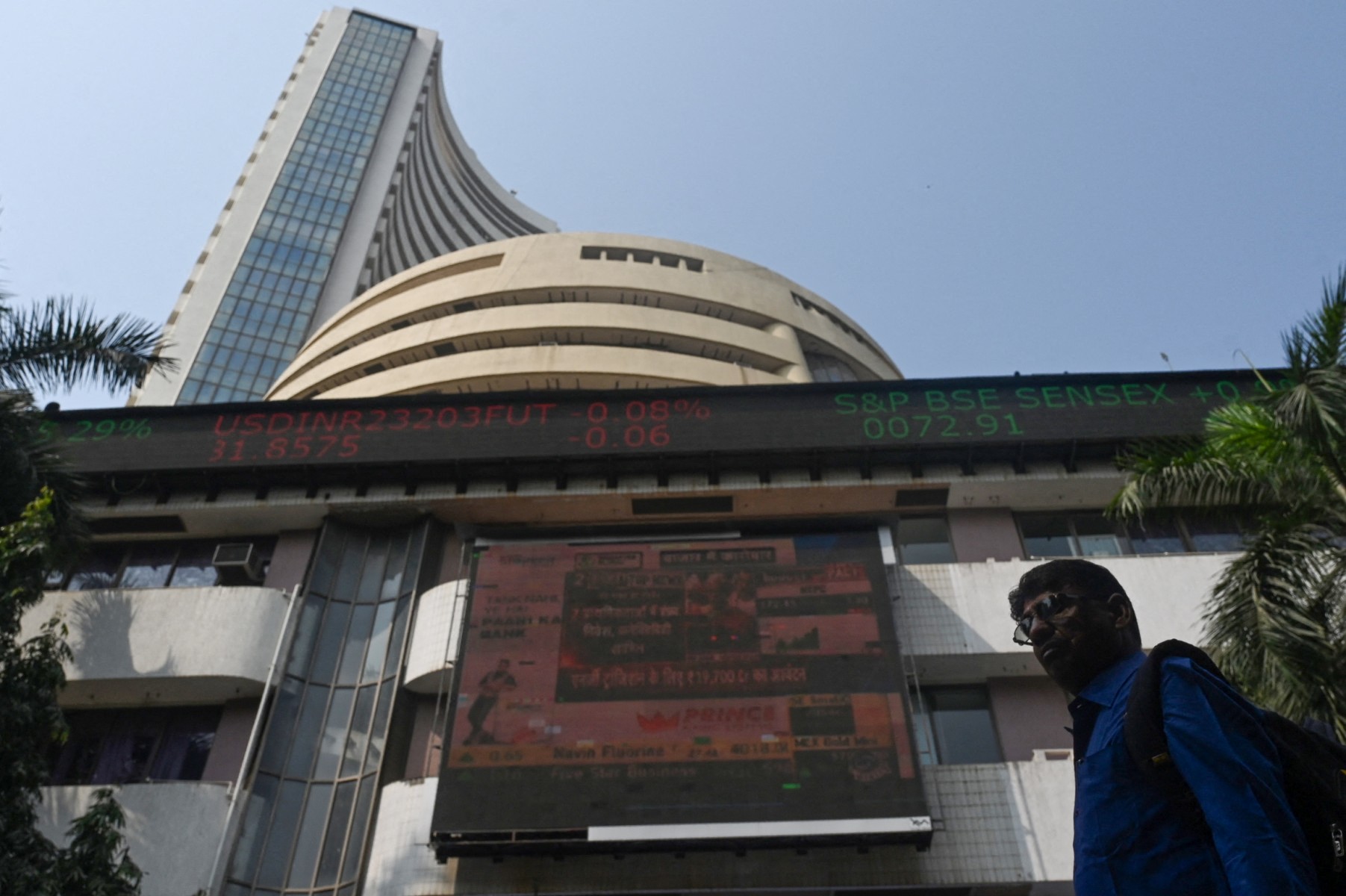
Economic reports indicate that the recent gains of the Indian rupee may not be sustainable, raising concerns among investors in the Indian stock market. The rupee has seen a notable improvement in its value, but experts warn that this improvement may be temporary unless external pressures affecting the currency are alleviated.
As investors aim to profit from a market rebound, continued pressure on the rupee could lead to new fluctuations, negatively impacting stock performance. This situation reflects the economic challenges India faces amid complex global conditions.
Event Details
In recent weeks, the Indian rupee has experienced a significant rise against the US dollar, dropping to levels not seen in a long time. This increase comes at a time when investors are trying to capitalize on available opportunities in the stock market, following a resurgence in economic activity in India.
However, many analysts believe that this improvement in the rupee's value may not last long. They point out that external pressures, such as rising oil prices and geopolitical tensions, could adversely affect the Indian currency. Therefore, investors need to exercise caution in their investments.
Background & Context
Historically, India has witnessed significant fluctuations in the value of its currency, with the rupee being affected by numerous economic and political factors. Over the years, the rupee has faced pressure from rising commodity prices, particularly oil, which is one of the largest influencing factors on the Indian economy.
Geopolitical tensions in the region, including border disputes with certain countries, also play a role in affecting economic stability. In recent years, the Indian government has taken steps to improve the economic situation, but challenges remain.
Impact & Consequences
If pressures on the rupee continue, it could lead to a significant decline in the Indian stock market, affecting investor confidence. Additionally, a declining rupee may increase import costs, leading to higher prices in the domestic market.
This situation could also impact economic growth in India, as the economy heavily relies on foreign investments. If investors feel concerned about currency fluctuations, they may hesitate to inject more funds into the Indian market, potentially leading to a slowdown in growth.
Regional Significance
India is considered one of the largest trading partners for many Arab countries, with some Arab nations relying on imports from India. Therefore, any fluctuations in the rupee could affect trade between India and Arab nations.
Moreover, rising oil prices may impact trade relations, as many Arab countries depend on oil exports as a primary source of revenue. Thus, continued pressures on the rupee could lead to changes in trade dynamics in the region.
In conclusion, the economic situation in India remains under observation, as investors look for stability in the rupee. With ongoing external pressures, economic challenges may persist, requiring investors to make informed decisions.