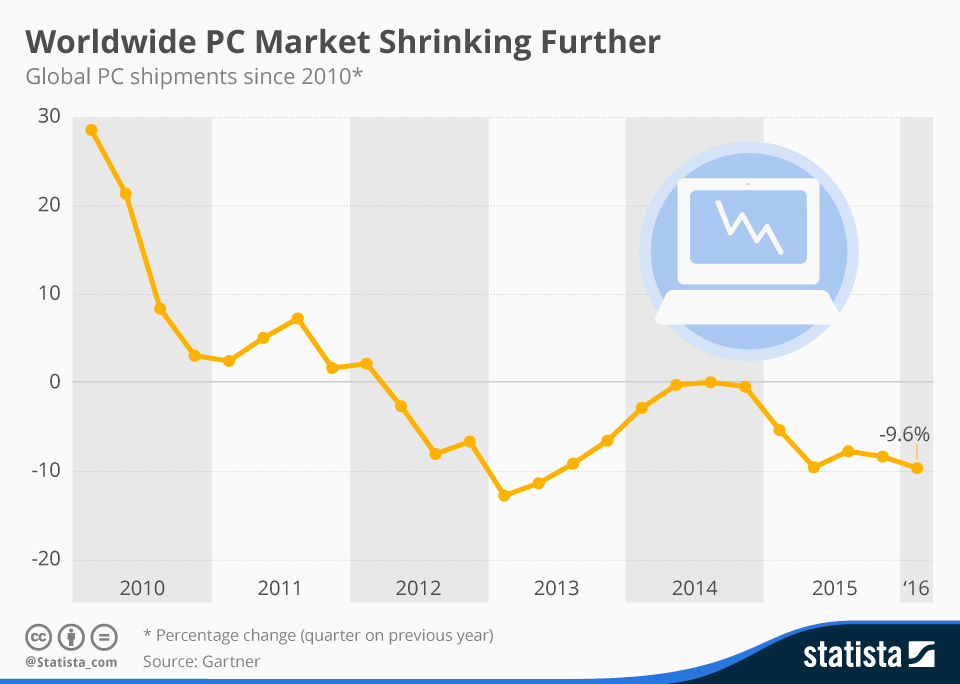
The personal computer (PC) market has experienced a significant decline in sales, with reports indicating that prices for components such as processors and graphics cards have risen sharply. According to new data from the German retailer Mindfactory, the lowest sales of central processing units (CPUs) in market history were recorded during the thirteenth week of 2026.
The increase in prices for components such as processors, graphics cards, random access memory (RAM), and storage components are key factors driving consumers to delay purchasing or upgrading their computers. Many users have become more cautious in their buying decisions, preferring to wait until prices stabilize at more reasonable levels.
Details of the Situation
Despite the decline in processor sales, AMD continues to dominate the market with a share of approximately 89%, significantly outpacing Intel, whose share has not exceeded 10%. Although new processors from Intel, such as the Core Ultra 200S Plus series, have been launched, they have not managed to stimulate demand significantly, as consumers still prefer older, more affordable processors like AMD's Ryzen series, which remain compatible with DDR4 memory.
The lower prices and good performance of these products are key factors that make them more attractive compared to newer platforms that require DDR5 technology, reflecting current consumer preferences.
Background & Context
Historically, the personal computer market has experienced significant price fluctuations, heavily influenced by changes in supply and demand for components. In recent years, the increased demand for computers due to the COVID-19 pandemic led to rising prices, but with current demand declining, the market appears to be facing new challenges.
These market changes indicate how the technology industry is affected by global economic shifts, as component prices can significantly impact consumer purchasing decisions.
Impact & Consequences
These trends highlight the importance of monitoring component prices in the global market, as a decrease in prices could lead to a recovery in the personal computer market. While major companies like AMD and Intel continue to compete for market dominance, price changes may influence their marketing strategies and product development.
Additionally, the decline in demand for personal computers may impact manufacturers and distributors, potentially leading to reduced production or a reevaluation of marketing strategies. Under these circumstances, companies must adapt to market changes to ensure the continuity of their operations.
Regional Significance
In the Arab region, these changes in the personal computer market may affect both consumers and businesses. Rising component prices could reduce consumers' purchasing power, impacting the demand for computers in Arab markets.
Local companies that rely on importing these components may face challenges in meeting demand, potentially leading to price increases in the local market. Therefore, it is crucial for companies and consumers to closely monitor these changes to ensure informed decision-making.
In conclusion, these trends in the personal computer market underscore the importance of following developments in component prices and their impact on the market. While interest in personal computers remains, consumers have become more cautious in their purchasing decisions, requiring companies to adapt to these changes to ensure their continued success in the market.