Lebanon faces a severe economic crisis as remittances from expatriates have plummeted from $600 to $200 monthly. This decline reflects the war's impact on the financial situation of many Lebanese families.
A Lebanese mother, who relies on her son's remittances from Kuwait, stated, "I used to live on $600 a month, which covered my medication and basic needs, but after the war, the remittance barely exceeds $200." These testimonies reflect the reality of many Lebanese who depend on remittances as their primary source of income.
Details of the Situation
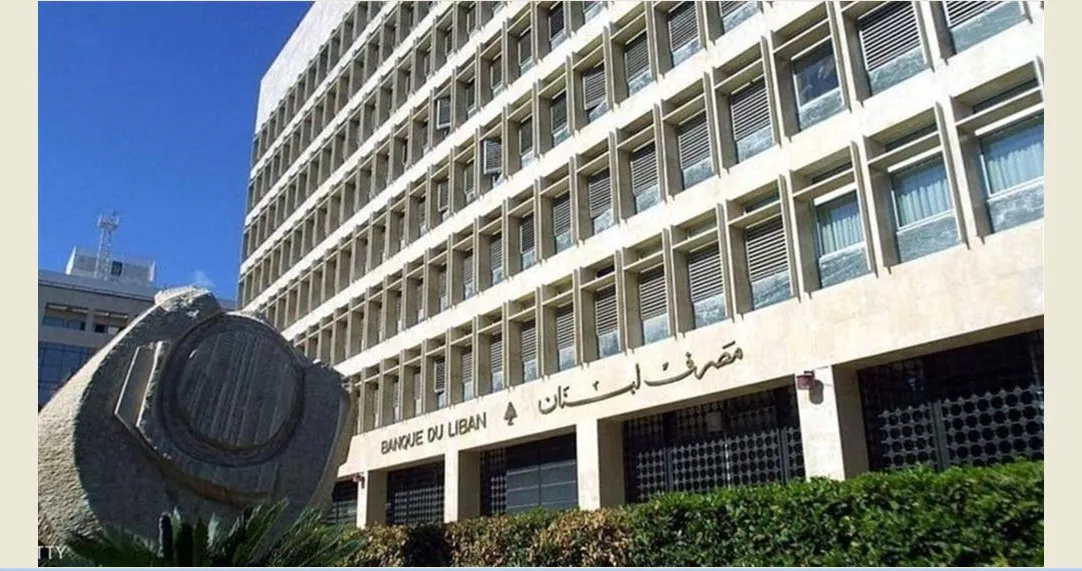
Reports indicate that remittances from expatriates have decreased by 10% to 15%, resulting in estimated losses of hundreds of millions of dollars. During a meeting between Lebanese President Joseph Aoun and the Governor of the Central Bank of Lebanon, Riad Salameh, the financial and monetary situation was discussed, emphasizing the importance of taking precautionary measures to maintain monetary stability.
Lebanese Minister of Economy, Amin Salam, provided updated estimates regarding the economic situation, noting an economic contraction and a decline in revenues due to massive displacement and rising unemployment rates. He also warned that the continuation of the war would increase economic risks.
Background & Context
Since the onset of the economic crisis in Lebanon in 2019, remittances from expatriates have become the backbone of the Lebanese economy. The annual remittance volume is estimated at around $6 billion, with $3 billion coming from Gulf countries. However, these remittances have begun to witness a noticeable decline, recording a drop of at least 5% during the first month of the current crisis.
Remittances are not only a source of income for families but also play a vital role in securing the hard currency necessary for importing essential goods. As these remittances decline, Lebanon faces significant challenges in securing its basic needs.
Impact & Consequences
The decline in remittances negatively impacts economic stability, with experts predicting a decrease in remittances by 10% to 15%, which translates to an annual loss ranging between $450 million and $500 million. These losses coincide with many Lebanese losing their jobs abroad, further increasing internal pressures.
The war has also affected other sources of hard currency, such as the tourism sector, where seasons that used to inject dollars into the market have been absent. The rise in global oil prices adds to Lebanon's burdens, which heavily relies on energy imports.
Regional Significance
The economic crisis in Lebanon is part of a broader crisis affecting the region, with many countries impacted by the repercussions of conflicts and wars. The decline in remittances highlights the challenges faced by families in Lebanon and reflects the fragile economic situation that could affect stability in neighboring countries.
Under these circumstances, international and regional efforts are required to support Lebanon in overcoming its economic crisis and to provide a safe and stable environment for its citizens.