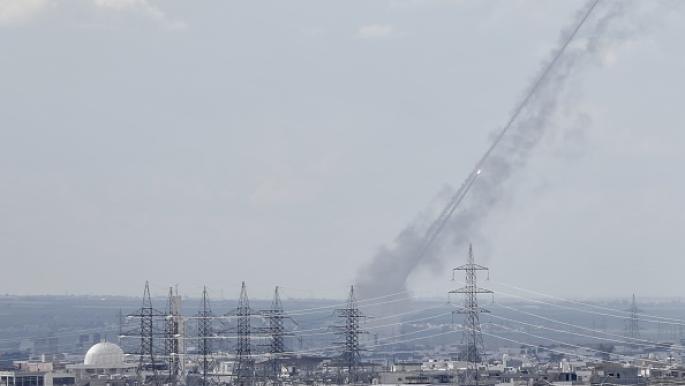
Recent field data indicates a significant shift in the pattern of attacks carried out by armed factions in Iraq, with a decline in strikes in Baghdad and an increase in military activities in the Kurdistan region. This shift reflects changes in the military strategies of these factions, prompting questions about the reasons behind this transformation.
Reports show that armed factions have reduced their activity in the Iraqi capital, Baghdad, which was previously a hub for numerous attacks. In contrast, attacks have surged in the Kurdistan region, reflecting a geographical shift in military operations. This change may result from several factors, including increasing security pressures in Baghdad, as well as responses to new challenges in the Kurdish region.
Details of the Event
Information indicates that armed factions have decreased the number of attacks in Baghdad, where they previously focused on targeting security forces and government interests. However, the Kurdistan region has witnessed a notable increase in military activities, with factions conducting targeted operations against specific objectives. These operations may be driven by political and security transformations in the region, in addition to tensions among different factions.
It appears that armed factions are exploiting the changing security situation in the Kurdistan region, as they seek to enhance their presence and influence in the area. This trend could lead to escalating tensions between armed factions and the Kurdish government, potentially impacting stability in the region.
Background & Context
Historically, Iraq has seen a rise in armed faction activity since 2003, as these groups have exploited political and security chaos to achieve their goals. Over time, these factions began to change their strategies, leading to variations in activities across different areas. In recent years, Baghdad has been the center of many attacks, but the changing security situation has prompted factions to reassess their strategies.
The Kurdistan region, which enjoys autonomy, has experienced increasing tensions between the central government and armed factions in recent years. These tensions may be one of the reasons behind the increased military activity in the region, as factions seek to assert their influence amid a lack of clear political stability.
Impact & Consequences
This shift in attack patterns could have serious implications for security and stability in Iraq. The decrease in activity in Baghdad may give the impression of improved security conditions, but the rise in attacks in the Kurdistan region could indicate a potential escalation in conflict. If factions continue to intensify their activities in the region, it may exacerbate tensions between the Kurdish government and the factions, negatively affecting regional stability.
Furthermore, the escalation of military activities in the Kurdistan region could impact relations between Iraq and its neighbors, especially amid ongoing regional tensions. This situation may necessitate international or regional interventions, complicating the security landscape in the area.
Regional Significance
Developments in Iraq are of great importance to the Arab region, as they reflect the security and political challenges faced by many countries. Changes in military activities may affect the stability of neighboring states, particularly given the presence of armed factions operating across borders. This situation calls for Arab countries to enhance security cooperation to address shared challenges.
In conclusion, the situation in Iraq and the Kurdistan region remains under close observation, requiring careful monitoring of security and political developments. Understanding these dynamics can help shape effective strategies to address future challenges.