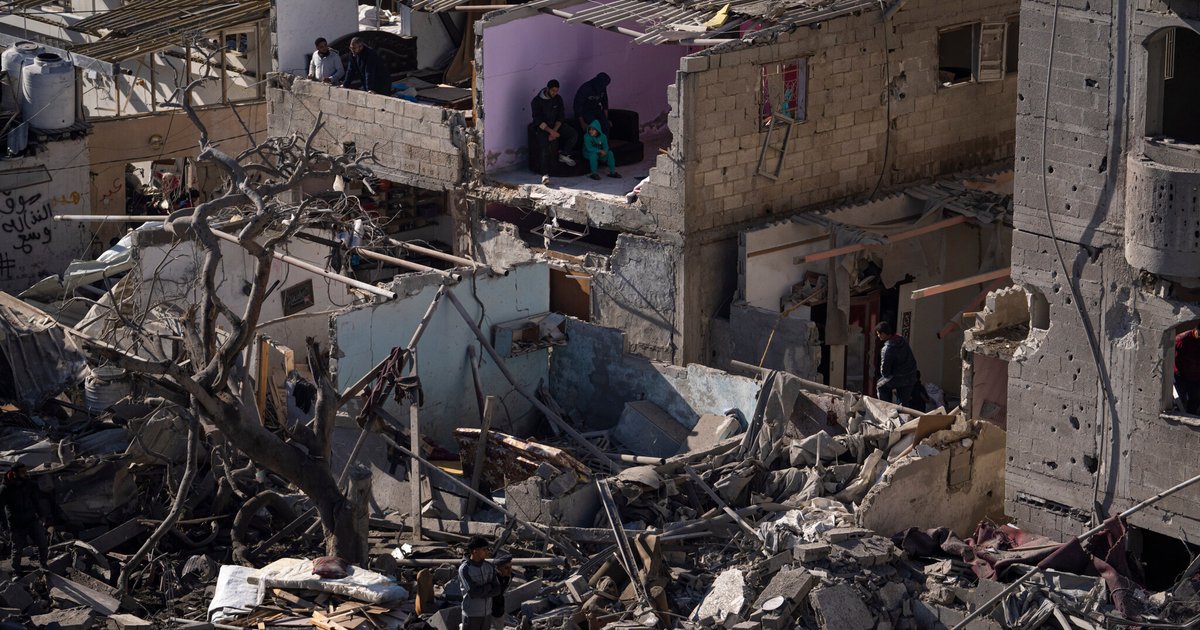
Reports suggest that the situation in Gaza has seen a notable decrease in violence incidents, opening up questions about the future of the conflict in the region. While the number of incidents in the south has declined, it seems that all hostages are either at home or in their final resting places.
The protests expressing public anger have come to an end, reflecting a shift in the political and social landscape. In this context, the work of the Peace Council appears to be progressing within a framework of quiet diplomacy, away from media noise, which may have far-reaching effects on the conflict.
Details of the Current Situation
Amid these developments, Americans remain calm, with Iran continuing to linger in their minds. Reports indicate that most people feel overwhelmed by the current situation, which may affect their resilience and response to future events.
Concerns are growing that what seems like a loss for Hamas could turn into a technical advantage, highlighting the need for new strategies to deal with the changing situation. These dynamics may lead to changes in how the conflict is managed in the future.
Background & Context
Historically, Gaza has experienced recurring conflicts, with events escalating periodically. As international pressures increase, it has become essential to reassess the strategies employed by the involved parties. The decline in violence incidents may indicate a shift in strategies, whether by Hamas or other parties.
The political and economic dimensions intertwine in this context, as regional and international powers play a pivotal role in shaping events. The situation in Gaza cannot be separated from ongoing events in the region, necessitating a careful analysis of the various dimensions of the conflict.
Impact & Consequences
The decrease in violence incidents may lead to improved security in the region, potentially opening the door for more dialogue and negotiations. However, ongoing economic and social pressures may hinder any potential progress. The psychological impact on the population could be profound, as many feel exhausted from the ongoing conflict.
These dynamics must be considered when thinking about future solutions. Any attempt to achieve peace must take into account the real needs of local populations, as well as international pressures.
Regional Significance
The implications of the situation in Gaza extend beyond its borders, affecting regional stability. The decrease in violence may have positive effects on relations between Arab countries, potentially facilitating cooperation in various fields. However, the complex political dimensions may obstruct any progress.
Ultimately, hope remains pinned on the possibility of achieving peace and stability in the region. The challenges are significant, but opportunities also exist, requiring concerted efforts from all involved parties.