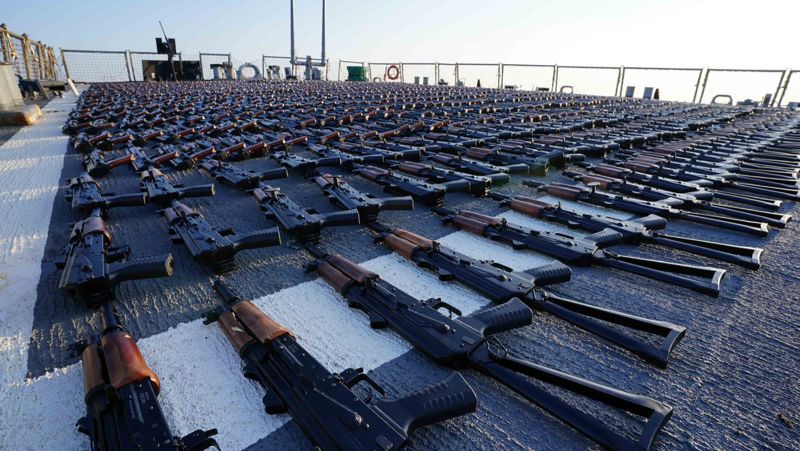
The Trump administration has announced a delay in arms and missile system shipments designated for Europe, citing escalating tensions arising from the war in Iran. This decision comes at a crucial time as European nations seek to bolster their defense capabilities amid fears of increasing conflict in the region.
Political circles in Europe are increasingly concerned about the implications of the Iranian war on regional and international security. Many European countries have expressed anxiety over the rising violence in the Middle East, prompting them to strengthen their defense partnerships with the United States. However, the delay in arms shipments could negatively impact these efforts.
Details of the Announcement
According to informed sources, the Trump administration has notified European nations that shipments scheduled for the coming weeks will be delayed for national security reasons. U.S. allies in NATO have been informed that this step is part of a comprehensive assessment of the security situation in the Middle East.
This decision follows heightened tensions between Iran and the United States, with both countries exchanging accusations regarding support for armed groups in the region. This situation has raised concerns in Europe, which relies on stability in the Middle East to ensure its own security.
Background & Context
Historically, relations between the United States and Iran have been strained, particularly following Washington's withdrawal from the nuclear agreement in 2018. Since then, tensions have escalated significantly, affecting regional security. The war in Iran has exacerbated conditions, prompting the United States to reevaluate its military strategy in the region.
Europe is a key ally of the United States, with European nations striving to enhance their defense capabilities in the face of increasing threats. However, the delay in arms shipments may undermine these efforts and affect European countries' ability to address security challenges.
Impact & Consequences
The delay in arms shipments could have negative repercussions for European security, as European nations may find themselves in a vulnerable position against rising threats. Additionally, this decision may impact relations between the United States and its NATO allies, as some may feel that Washington is not fulfilling its security commitments.
Furthermore, the delay in shipments could open the door for other countries to increase their influence in the region, complicating security dynamics. Consequently, this decision may have far-reaching implications for regional and international stability.
Regional Significance
The Arab region is significantly affected by tensions in Iran, with many Arab nations experiencing direct impacts from the conflict. The delay in arms shipments could heighten concerns in Arab countries, which rely on cooperation with the United States to enhance their security.
In light of these circumstances, Arab nations may seek to strengthen their defense partnerships with other countries, potentially leading to shifts in regional alliances. The rising tensions could also affect political and economic stability in the region, necessitating a response from Arab states to address these challenges.
In conclusion, the delay in arms shipments to Europe is a direct consequence of tensions in Iran, highlighting the importance of international cooperation in addressing security challenges. European and Arab nations must work together to ensure regional stability and enhance their defense capabilities.