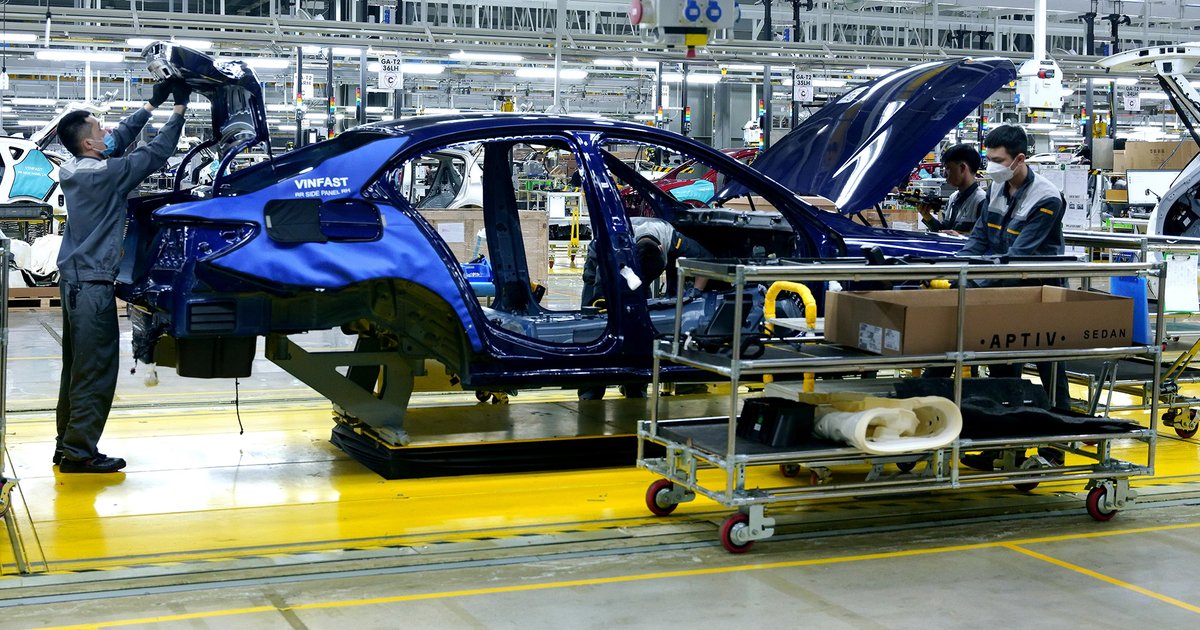
VinFast, the Vietnamese electric vehicle manufacturer, now expects to achieve profitability after 2027 due to rapid expansion and rising costs. The company, which is listed on the NASDAQ, has taken expansion steps in markets like Indonesia, India, and the Philippines, despite scaling back its ambitions in the United States and Europe.
VinFast faces significant challenges, having recorded net losses of $4 billion last year. The company initially targeted profitability by 2024 but postponed this goal to this year before announcing a further delay to after 2027.
Details of the Announcement
The spokesperson for VinFast did not provide new details regarding the timeline for achieving profitability but indicated analysts' expectations. She noted that there is consensus among analysts that profitability could be on the horizon by 2027-2028. Surveys of analysts have shown expectations for the company's revenues to turn profitable in the third quarter of next year.
VinFast aims to deliver 300,000 vehicles this year, a 50% increase from 2025, and expects to increase electric bike deliveries by 2.5 times, supported by a planned ban on gasoline-powered motorcycles in central Hanoi by mid-year.
Background & Context
Founded in 2017, VinFast quickly became the largest car seller in Vietnam, benefiting from launching low-priced models and offering free charging programs for new buyers. However, the company faces increasing competition from Chinese brands such as BYD and Geely, which adds to the challenges it faces in the domestic market.
VinFast relies on financial support from its founder Pham Nhat Vuong and its parent company Vingroup, which is considered the largest conglomerate in Vietnam by market value. As of November 2024, the committed funding from Vuong and Vingroup to VinFast was approximately $17 billion.
Impact & Consequences
The delay in achieving profitability may affect VinFast's ability to compete in global markets, especially with increasing pressure from competitors. Additionally, rising global fuel prices, partly due to the war in Iran, could enhance the adoption of electric vehicles, potentially opening new opportunities for the company if it can effectively expand its operations.
The rapid expansion that VinFast is pursuing may require substantial investments, increasing financial risks. However, if it succeeds in achieving its goals, it could strengthen its position in the global electric vehicle market.
Regional Significance
The delay in VinFast achieving profitability may have implications for the Arab market, where interest in electric vehicles is growing amid a shift towards sustainability. With rising fuel prices, demand for electric vehicles may increase in Arab countries, opening the door for companies like VinFast to enter these markets.
In conclusion, the delay in VinFast's profitability presents a significant challenge, but it may also be an opportunity to enhance innovation and growth in the electric vehicle industry, benefiting consumers worldwide.