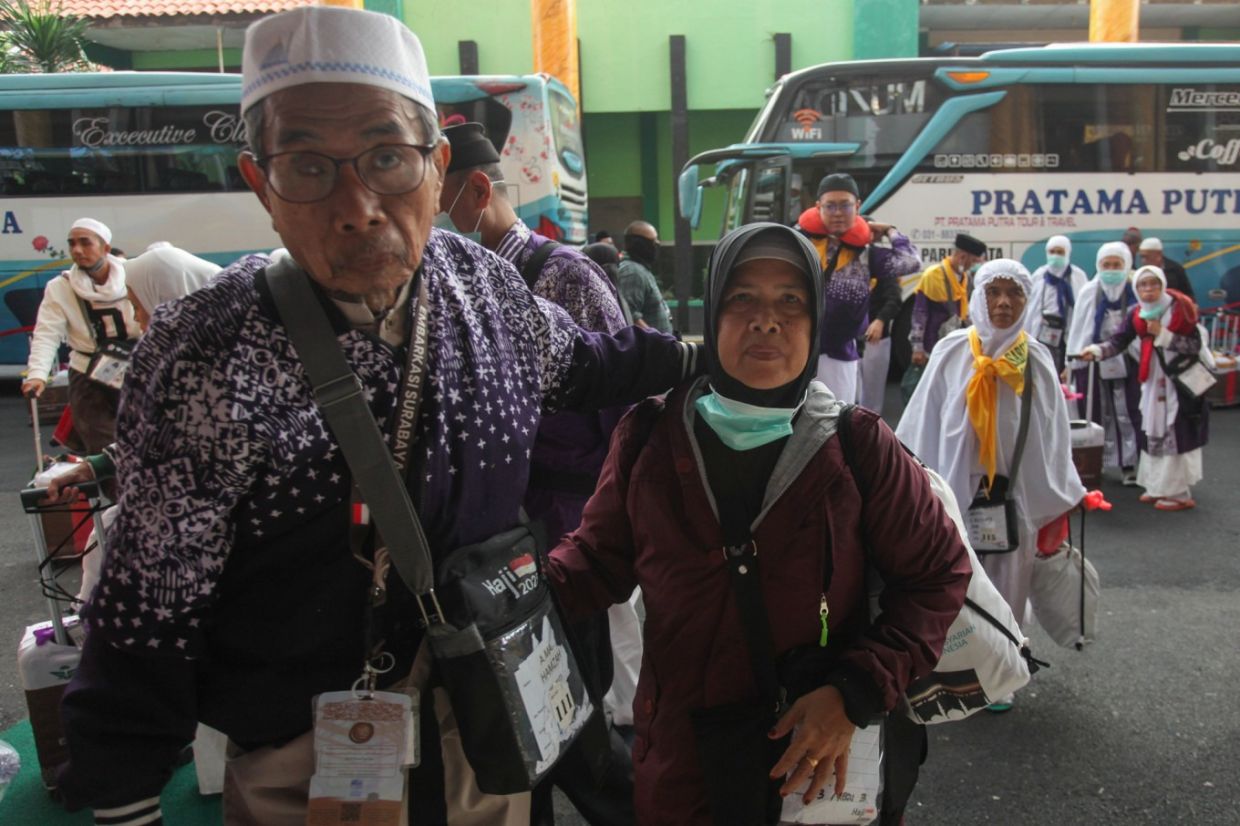
In Pekanbaru, Indonesia, the travel of seven pilgrims preparing to perform Hajj has been delayed, as four of them require medical treatment at a hospital in Batam. The head of the Ministry of Hajj and Umrah office in Riau province, Devizon, confirmed that the pilgrims whose travel has been postponed will depart on the next flight according to seat availability.
As of Sunday, April 26, a total of 883 pilgrims and staff from two groups have been sent from Riau province to Prince Mohammed bin Abdulaziz International Airport in Medina, Saudi Arabia. Reports indicate that the pilgrims who arrived in Medina are in good health.
Details of the Incident
The group whose travel has been postponed consists of four pilgrims facing health issues, along with three companions. The delayed pilgrims have been transferred to a hospital in Batam for necessary treatment. Devizon explained that the travel process for the pilgrims is proceeding smoothly, with all necessary arrangements made to ensure their comfort and safety.
Meanwhile, two groups of pilgrims have been sent, with group BTH 03 comprising 443 pilgrims and staff, while group BTH 04 includes 440 pilgrims and staff. During their stay in Medina, the pilgrims will engage in worship rituals and visit historical sites.
Background & Context
Hajj is one of the most important religious rituals in Islam, with Muslims from around the world traveling to Mecca to perform its rites. The Ministry of Hajj and Umrah in Indonesia organizes Hajj trips annually, preparing pilgrims and providing necessary support to ensure a comfortable and safe experience.
Historically, Indonesia has seen large numbers of pilgrims, making it one of the largest exporters of pilgrims globally. However, health conditions such as illnesses or accidents can sometimes lead to the postponement of travel for some pilgrims, necessitating precautionary measures to ensure their safety.
Impact & Consequences
The postponement of the pilgrims' travel may affect their personal and spiritual plans, as many eagerly await this journey. Nevertheless, the health of the pilgrims is paramount, and authorities must make appropriate decisions to ensure their safety. This delay could also impact the organization of flights and the schedule for other pilgrims.
It is crucial for the Ministry of Hajj and Umrah to continue monitoring the health status of the pilgrims whose travel has been postponed and to provide them with the necessary support. Effective communication with other pilgrims is also essential to prevent any confusion in travel plans.
Regional Significance
Indonesia is one of the largest Muslim-majority countries, and the delay of pilgrims from there may affect the overall numbers of pilgrims arriving in Saudi Arabia. This situation highlights the importance of public health and the necessary precautions to ensure the safety of pilgrims, which should be a focus for all Muslim countries.
In conclusion, health and religious authorities must remain vigilant in monitoring any health issues that may affect pilgrims, taking all necessary measures to ensure their safety during this spiritual journey.