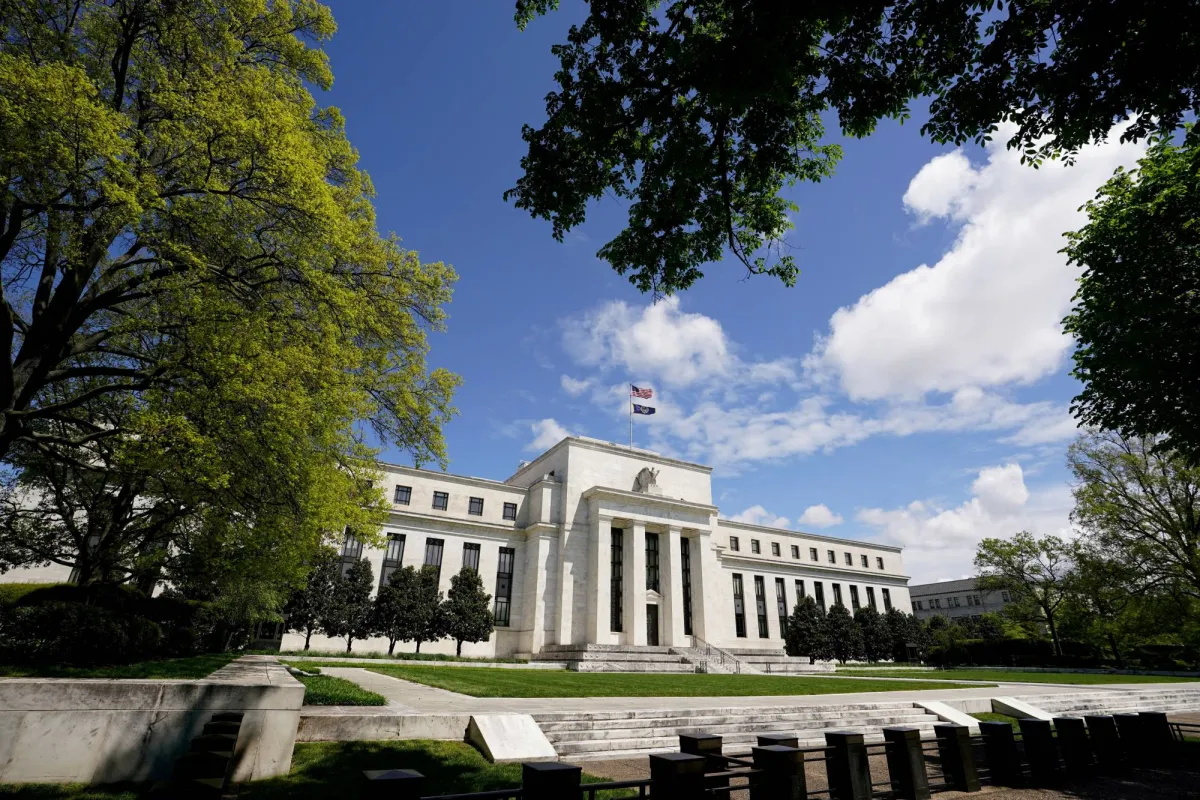
Citigroup has announced a delay in its forecast for the schedule of U.S. interest rate cuts, indicating that recent data on the labor market has come in stronger than anticipated, reflecting ongoing challenges related to inflation.
In a note released on April 3, the financial group projected a cumulative interest rate cut of approximately 75 basis points during the scheduled meetings in September, October, and December, instead of the previous expectations that indicated a start to cuts in June, July, and September.
Details of the Event
Citigroup clarified that it still believes indicators of labor market weakness will prompt the Federal Reserve to make a decision to cut rates later this year. However, recent economic data suggests that this move may be delayed longer than previously expected.
The U.S. labor market witnessed a notable recovery in March, with figures surpassing expectations, supported by the end of strikes in the healthcare sector and improved weather conditions, contributing to an increase in hiring rates.
Background & Context
These developments coincide with rising negative risks threatening the labor market, especially amid the ongoing conflict with Iran and the absence of signs indicating its resolution. Citigroup has predicted that a slowdown in hiring will lead to an increase in the unemployment rate during the summer, as seen in previous years.
In a related context, the dollar stabilized on Monday, while the Japanese yen approached the level of 160 yen against the dollar, amid investor concerns over the escalating conflict in Iran and their monitoring of the deadline set by President Donald Trump for reopening the Strait of Hormuz.
Impact & Consequences
Trump has threatened to target Iranian power stations and bridges if the strategic waterway is not reopened, increasing uncertainty in the markets. The closure of the Strait of Hormuz has led to oil prices rising above $100 per barrel, raising fears of accelerating inflation and a global repricing of interest rates.
If the strait is reopened within the specified deadline, oil prices are expected to drop sharply, potentially improving risk appetite in the markets. However, any further escalation could lead to a sharp increase in prices, placing investors in conflicting scenarios.
Regional Significance
These developments are particularly significant for the Arab region, where many countries rely on importing oil from the Gulf. The ongoing conflict in Iran may also affect the stability of energy prices, negatively impacting the economies of Arab nations.
In conclusion, markets remain under increasing pressure amid geopolitical and economic developments, necessitating close monitoring by investors and analysts.