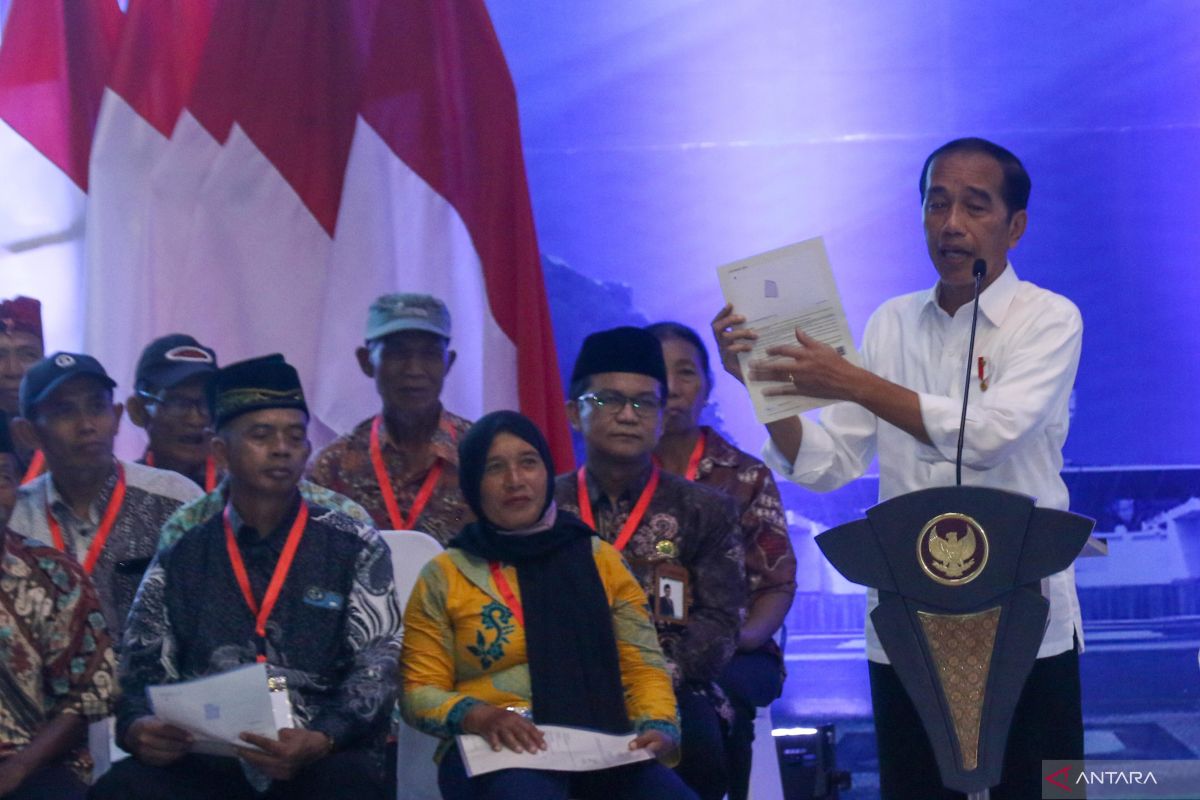
In a move reflecting the Indonesian government's commitment to improving the conditions of migrants, Deputy Minister of Immigration, Viva Yoga Mauladi, announced the delivery of 109 land ownership certificates to migrants in the Bolubala region of Gorontalo Province. This step is part of a new strategy aimed at addressing longstanding issues related to land distribution and enhancing the lives of migrants.
During the delivery ceremony, Mauladi emphasized that these certificates represent an important step towards achieving social justice for migrants, as they will allow them to use the land they own as a source of income. He noted that the government is working to expedite the process of granting land, whether it be land management rights or ownership certificates, which have been stalled for extended periods.
Event Details
Mauladi explained that the Ministry of Immigration is collaborating with the Ministry of Urban Planning and other relevant ministries to accelerate the issuance of certificates. He mentioned that some issues related to land overlaps have been resolved, with an agreement reached with the Ministry of Forestry to vacate certain areas that overlap with migration zones.
Furthermore, Mauladi confirmed that the government aims to resolve all land-related issues by 2026. Some areas have already been addressed, while others are still under processing.
Background & Context
Historically, migrants in Indonesia have faced significant challenges regarding land ownership, with issues related to land overlaps and unclear rights. These problems have led to economic and social instability for migrants, prompting the government to reconsider its policies.
This initiative is part of the Indonesian government's efforts to enhance the lives of migrants and promote economic development in the areas where they reside. It also reflects the government's commitment to achieving social justice and providing economic opportunities for citizens.
Impact & Consequences
This initiative is expected to improve the living conditions of migrants, as it will enable them to use their land as collateral for bank loans, allowing them to develop their own projects and increase their income.
Additionally, this step may encourage more migrants to settle in new areas, contributing to economic development in those regions. Thus, improving the conditions of migrants can have a positive impact on the national economy as a whole.
Regional Significance
Indonesia's experience in improving the conditions of migrants serves as a model that Arab countries can benefit from, as many Arab nations face similar challenges related to land distribution and ownership rights. There may be lessons learned from this experience on how to address issues related to migrants and improve their conditions.
In conclusion, this step by the Indonesian government represents a positive move towards achieving social justice and economic development, highlighting the importance of supporting migrants and providing them with opportunities.