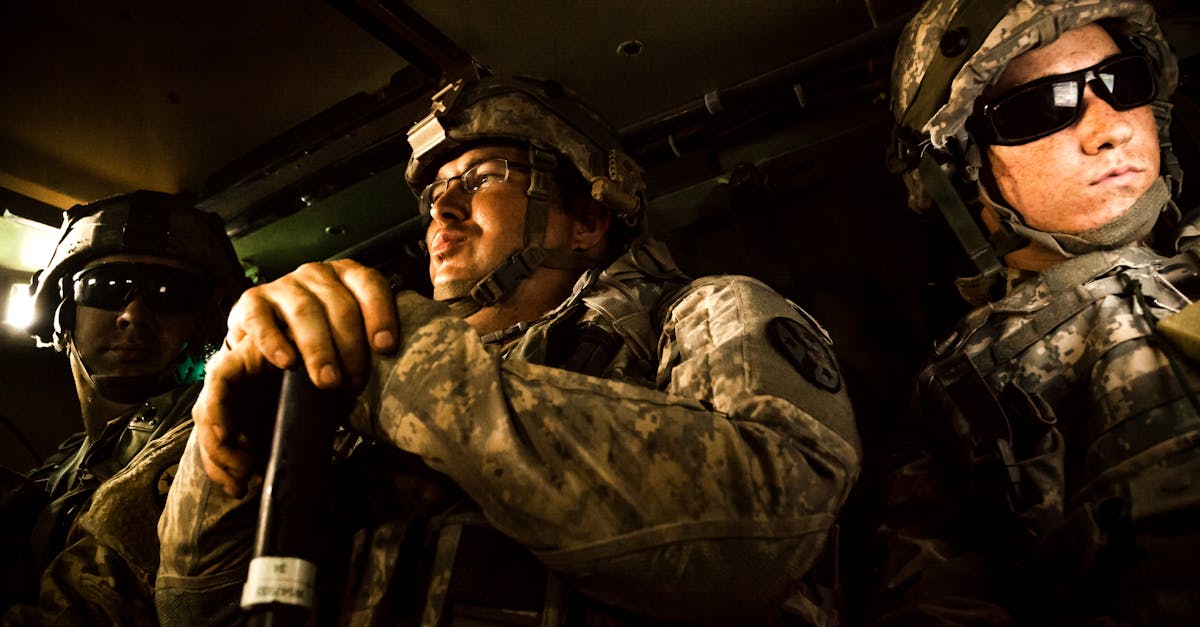
In a poignant event, the bodies of three soldiers from the Indonesian National Armed Forces (TNI) who were martyred while participating in a United Nations peacekeeping mission in Lebanon were handed over to their families. The remains were transported from Soekarno-Hatta Airport in Tangerang to their burial sites in various cities, where special military ceremonies were organized to honor them.
The bodies transported include those of Sergeant Major Mohammad Noor Eishwan, Corporal Farizal Ramdhan, and Major Zulmi Aditya Iskandar. The tribute ceremony was supervised by the Chief of Staff of the Indonesian Army, General Andika Perkasa, with the remains being flown back via Indonesian military aircraft.
Details of the Event
The remains of Sergeant Major Mohammad Noor Eishwan and Corporal Farizal Ramdhan were transported to Yogyakarta, while Major Zulmi Aditya Iskandar's body was taken to Bandung. The remains were received in the presence of their families, with special arrangements made for their reception at home.
During the tribute ceremony, Indonesian President Prabowo Subianto expressed his condolences to the soldiers' families, praising their sacrifices for the sake of peace. Former President Susilo Bambang Yudhoyono, who had also been part of peacekeeping forces in the past, attended, adding a special significance to the event.
Background & Context
Historically, Indonesia has participated in peacekeeping missions under the United Nations banner for several decades, considering this involvement as part of its international commitment to contribute to the stability of conflict-affected regions. Indonesia has demonstrated a strong commitment to international peace and security principles, making it one of the leading countries in this field.
The peacekeeping mission in Lebanon is one of the most challenging, with UN forces present there since 1978 to maintain security and stability in the region. International forces, including Indonesian troops, have faced several attacks in the past, highlighting the risks they encounter.
Impact & Consequences
The martyrdom of these soldiers underscores the dangers faced by peacekeeping forces in conflict zones and reflects the significant challenges the international community faces in achieving peace. It also highlights the sacrifices made by soldiers to protect civilians and enhance security.
This incident may also spark discussions about Indonesia's role in peacekeeping missions and its readiness to face future challenges. It could affect public support for such missions, as it requires a balance between international commitments and local considerations.
Regional Significance
Indonesia's experience in peacekeeping can serve as a lesson for Arab countries facing similar challenges. With the increase in conflicts in the region, it becomes essential to strengthen international cooperation and participation in peacekeeping efforts.
Moreover, the martyrdom of Indonesian soldiers can enhance the importance of dialogue and cooperation between Arab nations and other countries in addressing security challenges, contributing to greater stability in the region.
In conclusion, the sacrifices of these soldiers remain a living example of courage and dedication to serving humanity and should motivate everyone to work towards peace and stability in the world.