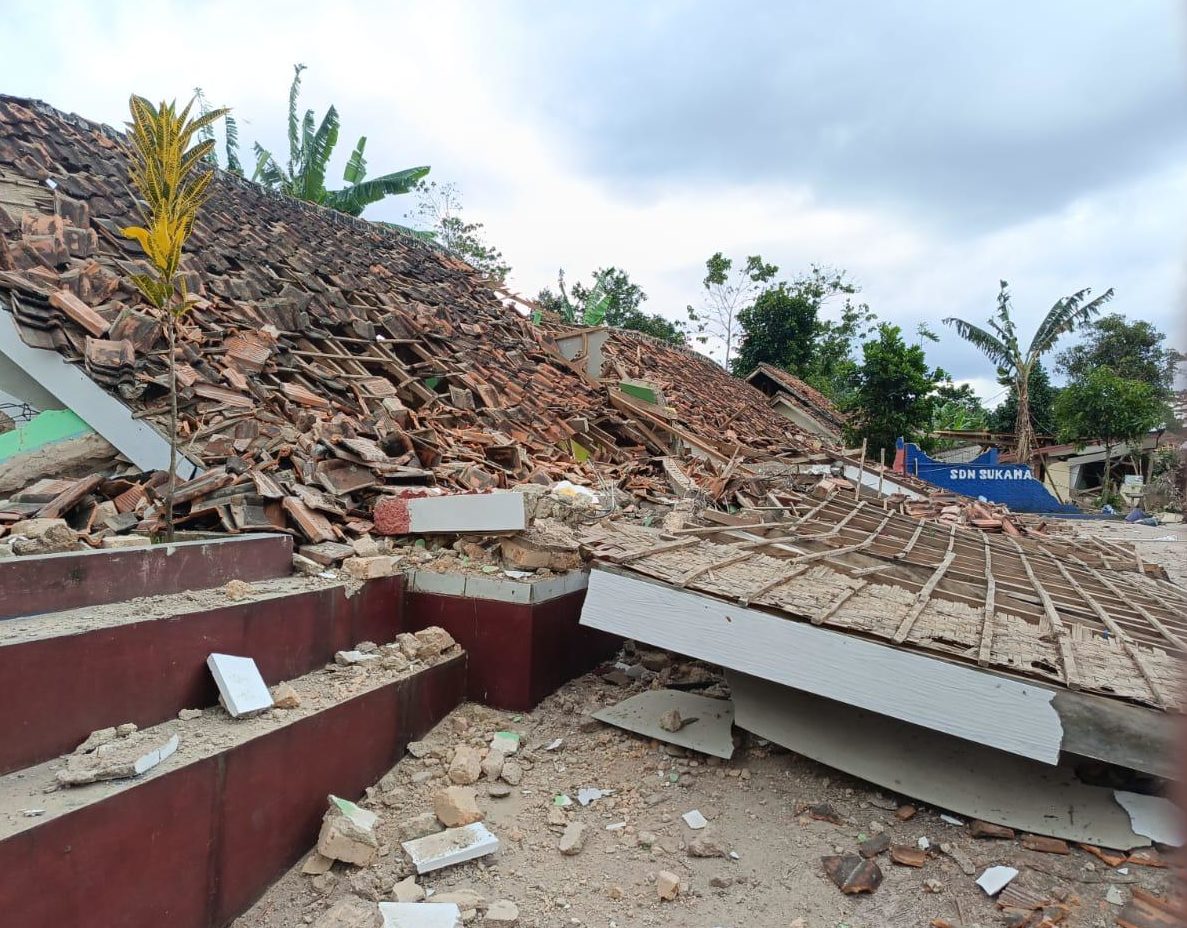
Indonesian authorities have announced the commencement of urgent humanitarian aid distribution to Batang Dua Island, which experienced a powerful earthquake measuring 7.6 on the Richter scale, resulting in significant damage to numerous homes and public facilities. This operation is being executed by the KN SAR 237 Pandudewanata, in collaboration with the Indonesian Search and Rescue Agency (Basarnas) and several other governmental entities.
Iwan Ramdhani, head of the search and rescue office in Ternate, stated that the aid includes essential food items such as rice, sugar, oil, and pasta, as well as medical supplies and clothing. He emphasized that this assistance is part of the government's efforts to ensure the swift and effective meeting of the needs of the affected population.
Details of the Event
This aid comes in the wake of a devastating earthquake that struck Batang Dua Island, where a large number of displacement cases have been reported. Reports indicate that approximately 1,966 individuals from the local population have been forced to leave their homes and seek refuge in evacuation centers. Centers have been established to provide psychological and social support to those affected, as many continue to suffer from the trauma caused by the earthquake.
The Mayor of Ternate, Tawheed Suleiman, highlighted the importance of coordination among various government agencies, including the military and police, to ensure a rapid and effective response. Field teams have been formed to distribute aid and provide support to those in need.
Background & Context
Historically, Indonesia has experienced numerous devastating earthquakes due to its geographical location on the Pacific Ring of Fire. Earthquakes are part of the natural challenges faced by the country, necessitating the enhancement of emergency response capabilities. In recent years, the Indonesian government has worked to improve its disaster relief and preparedness strategies.
It is noteworthy that the recent earthquake occurred in an area close to the border between North Sulawesi and North Maluku, complicating relief efforts. The Meteorology Agency issued warnings about the potential for a tsunami, which heightened the state of emergency in the region.
Impact & Consequences
The repercussions of the earthquake extend beyond physical damage, as residents grapple with the loss of homes and property, affecting their daily lives. Reports have shown that many schools and health facilities have been damaged, necessitating additional efforts to rebuild infrastructure.
This disaster presents an opportunity to assess relief and preparedness strategies in Indonesia, where lessons learned can contribute to improving future disaster responses. Coordination between the government and civil society is crucial to ensure effective support for those affected.
Regional Significance
These events highlight the importance of international cooperation in addressing natural disasters. Arab countries can benefit from Indonesian experiences in enhancing their emergency response capabilities, especially amid increasing climate challenges. Humanitarian solidarity with affected countries reflects shared values among peoples.
In conclusion, this event underscores the importance of preparedness for natural disasters and highlights the need to strengthen cooperation among nations to tackle common challenges.