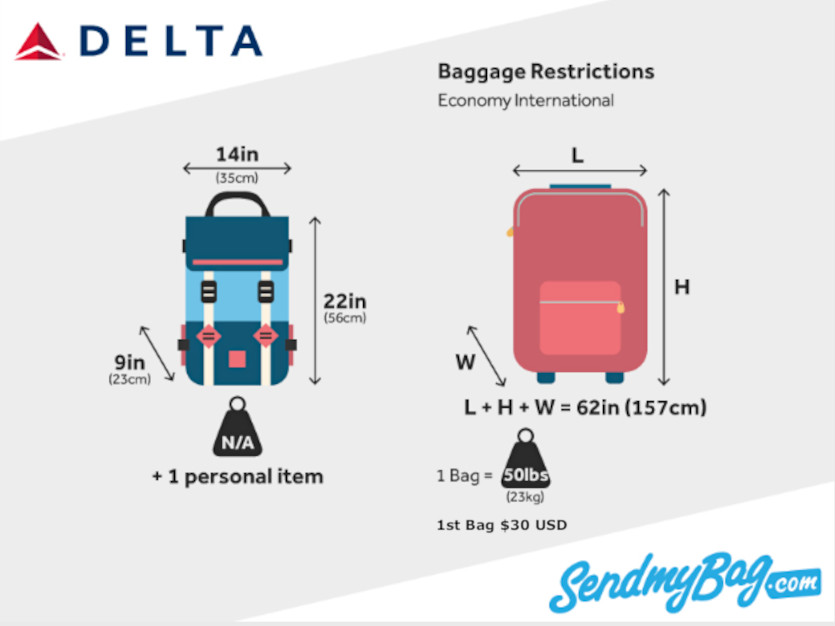
Delta Airlines, one of the largest airlines in the United States, has announced an increase in the checked baggage fees that its passengers will have to pay. This step is part of the company's efforts to cope with the rising costs resulting from increased jet fuel prices, which have also impacted many other airlines in the market.
This fee increase is part of a growing trend among airlines as they seek to offset the rise in operational costs. Many experts have pointed out that this increase could affect travel decisions for many passengers, especially given the current economic conditions.
Details of the Fee Increase
The new increase in checked baggage fees will add an additional charge ranging from $10 to $30, depending on the weight of the bag and the destination. Delta Airlines has confirmed that these fees will take effect starting at the beginning of next month, meaning that passengers planning to travel should take these new costs into account when booking their tickets.
This move comes after other airlines, such as United Airlines and American Airlines, announced similar increases in baggage fees. This trend reflects the financial pressures these companies are facing due to the ongoing rise in fuel prices, which has been significantly affected by geopolitical events in the region.
Background & Context
In recent months, jet fuel prices have seen a notable increase due to the repercussions of the U.S.-Israeli war against Iran, which has led to instability in energy markets. This price rise has directly impacted the operational costs for airlines, making it necessary for these companies to take measures to compensate for these expenses.
Historically, airlines have relied on increasing baggage fees as a means to offset rising costs, especially during times of economic crises. However, these increases may lead to a decline in the number of travelers, putting companies in a difficult position between the need to increase revenues and maintaining a stable customer base.
Impact & Consequences
This increase in baggage fees is expected to affect travel decisions for many passengers, particularly in light of the current economic situation. Some travelers may choose to reduce the number of bags they carry or look for alternative travel options, which could impact airline revenues.
Moreover, these increases may lead to heightened competition among airlines, as each company seeks to attract passengers by offering additional services or discounts on fees. In this context, some airlines may move towards enhancing their services to mitigate the impact of these increases on customers.
Regional Significance
The Middle East is one of the regions most affected by fluctuations in fuel prices, as many airlines in the area rely on imported fuel. Therefore, any increase in fuel prices directly impacts operational costs and the prices that passengers must pay.
Additionally, the increase in baggage fees may affect tourism and travel to the region, as some tourists may hesitate to travel due to the additional costs. This could impact the local economy in countries that rely on tourism as a primary source of revenue.
In conclusion, the increase in baggage fees at Delta Airlines represents part of a broader trend in the aviation industry, where companies are striving to adapt to increasing economic challenges. It is important for passengers to be aware of these changes and plan their trips accordingly.