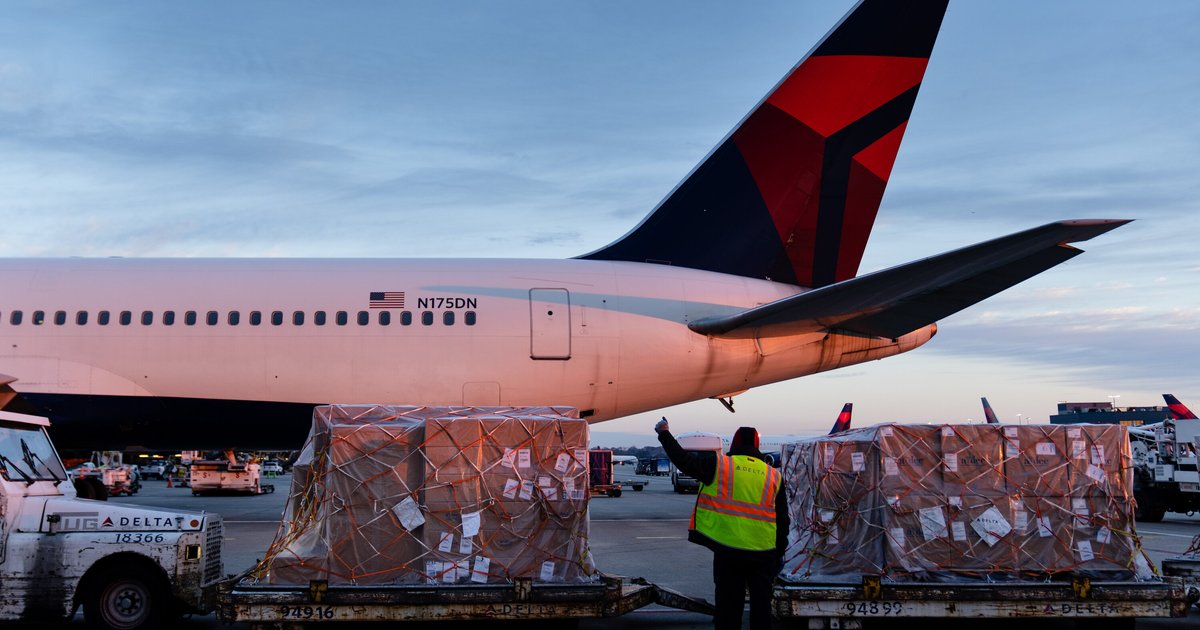
Delta Airlines is preparing to confront significant negative impacts on fuel costs, potentially reaching $2 billion, due to the ongoing conflict in Iran. This escalating dispute has prompted the airline to adopt a cautious stance regarding its financial forecasts for the current year, as it has decided to adhere to its previous expectations despite the increasing challenges.
Under these circumstances, Delta Airlines, one of the largest airlines in the world, faces mounting pressure from rising fuel prices. The geopolitical tensions in the region have led to increased uncertainty in energy markets, which directly affects the operating costs for airlines.
Details of the Situation
Reports indicate that Delta Airlines has taken proactive steps to address these challenges, including reviewing its operational and financial strategies. The company is closely monitoring developments in the Iran conflict and its impact on global oil prices, as any escalation in the dispute could lead to further price increases.
Fuel costs are among the largest expenses faced by airlines, representing a significant portion of total expenditures. With rising prices, companies may be forced to make tough decisions regarding ticket pricing and their services.
Background & Context
Historically, the region has witnessed numerous conflicts that have impacted energy markets, resulting in significant fluctuations in oil prices. The current dispute in Iran comes at a sensitive time as markets are still grappling with the repercussions of the COVID-19 pandemic, which led to a substantial decline in air travel.
Iran is one of the largest oil producers in the world, and any tensions in the region can significantly affect global supplies. Therefore, companies like Delta Airlines find themselves in a difficult position, needing to adapt to rapidly changing circumstances.
Impact & Consequences
The potential impacts of this dispute on airlines are not limited to Delta; they encompass all global airlines. Rising fuel costs may lead to increased ticket prices, which could affect demand for air travel.
Moreover, companies may have to scale back their services or reduce the number of flights, which would impact the global economy as a whole. In this context, it is crucial for companies to adopt flexible strategies to adapt to rapid market changes.
Regional Significance
The conflict in Iran is a key factor influencing global oil prices, which directly reflects on the costs faced by airlines. The situation underscores the interconnectedness of geopolitical events and economic stability in the aviation sector.
In conclusion, as Delta Airlines navigates these challenges, the airline industry as a whole must remain vigilant and responsive to the evolving landscape shaped by geopolitical tensions and market dynamics.