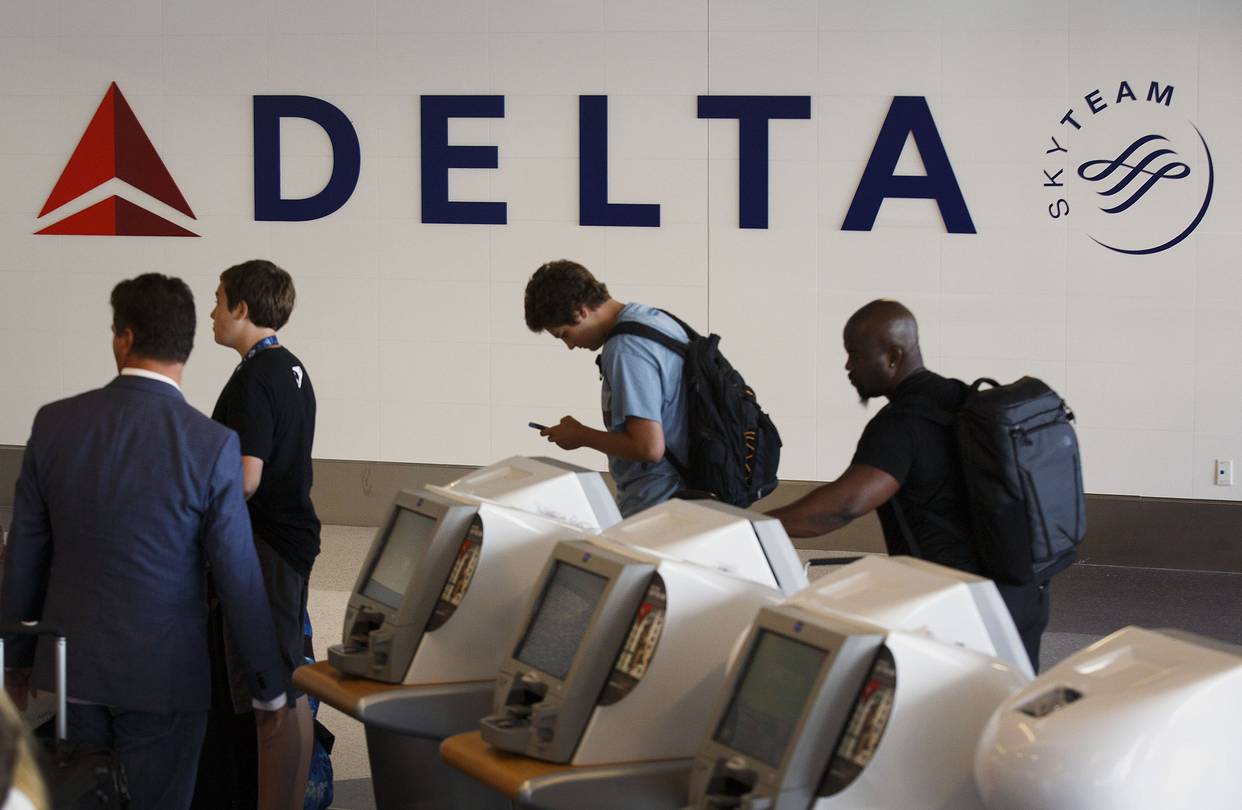
Delta Airlines experienced a substantial increase in its stock prices after announcing earnings that exceeded expectations, following the ceasefire declaration in Iran. This report highlights the company's capability to confront economic challenges, including the ongoing rise in fuel costs.
As one of the largest airlines in the United States, Delta has shown remarkable financial resilience amid tough economic conditions. The company managed to achieve profits that surpassed analysts' forecasts, boosting investor confidence in its future performance.
Details of the Event
Delta reported its earnings for the third quarter of the year, recording revenues of approximately $14.5 billion, exceeding expectations of $13.8 billion. Additionally, the company's stock rose by 6% following the report, reflecting a positive market reaction to its strong performance.
The increase in revenues occurred despite a significant rise in fuel costs, with the company reporting a 30% increase in fuel expenses compared to the same period last year. Nevertheless, Delta effectively managed these costs, contributing to its robust profit margins.
Background & Context
Historically, the aviation industry has faced significant fluctuations due to economic and political crises. However, Delta has managed to adapt to these challenges by improving its operational efficiency and expanding its flight network. The ceasefire declaration in Iran came at a critical time, positively impacting oil prices and assisting airlines in alleviating fuel cost pressures.
Delta is recognized as a leading player in the aviation industry, having invested heavily in enhancing its services and expanding its fleet. These investments have strengthened its competitive position in the market, enabling it to better navigate economic challenges.
Impact & Consequences
Delta's strong financial results suggest that the aviation industry may be on the path to recovery following a period of challenges. This recovery could positively influence other companies in the same sector, enhancing growth and investment opportunities in the future. Furthermore, Delta's strong performance may encourage investors to inject more capital into the industry, bolstering market stability.
Moreover, Delta's success in managing its costs could serve as a model for other airlines, helping to improve the overall performance of the industry. This could increase market confidence and enhance prospects for sustainable growth.
Regional Significance
The aviation industry is a vital sector in the Arab region, playing a crucial role in boosting tourism and trade. The success of major airlines like Delta may have positive implications for airlines in the region, enhancing their competitiveness in the global market.
Additionally, the stability in fuel prices resulting from the ceasefire in Iran could contribute to improving profit margins for Arab airlines, enabling them to offer better services to travelers.
Delta's strong performance reflects the ability of companies to adapt to economic challenges and fosters optimism about the future of the aviation industry, both in the United States and in the Arab region.