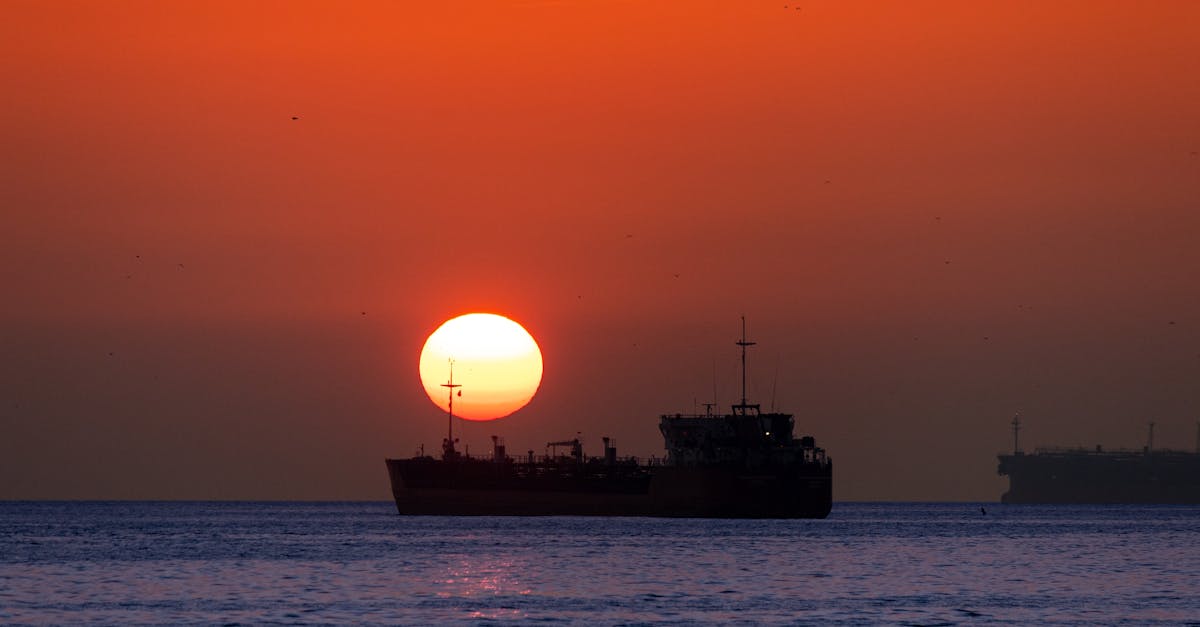
The liquefied natural gas (LNG) carrier industry is experiencing remarkable growth in demand, with new orders rising sharply despite the tense conditions in the Middle East, particularly the ongoing conflict in Iran. This increase in demand occurs at a time when the world is striving to diversify energy sources and reduce reliance on traditional fossil fuels.
As the need for clean energy grows, requests for LNG carriers are on the rise, with many countries aiming to lower carbon emissions. Reports indicate that the demand for LNG has surged significantly in recent months, reflecting a shift in global energy policies.
Details of the Demand Surge
According to industry sources, the demand for LNG carriers has increased by 15% compared to last year. This rise comes at a time when the market is experiencing significant fluctuations due to geopolitical disputes, which enhances the importance of natural gas as a reliable energy alternative. LNG is considered an attractive option for many countries seeking to secure energy supplies amid escalating crises.
Major energy companies are looking to expand their fleets of LNG carriers to keep pace with the growing demand. Several companies have announced new plans to build advanced carriers, reflecting confidence in the future of natural gas as part of the global energy mix.
Background & Context
Historically, the LNG industry has seen significant developments, with natural gas becoming one of the primary energy sources in many countries. As tensions in the Middle East escalate, particularly with the conflict in Iran, it has become essential to diversify energy sources to avoid potential crises. Technological innovations have contributed to improving the efficiency of LNG carriers, making them more appealing to investors.
In recent years, many countries have increased their investments in LNG projects, reflecting a global trend towards clean energy. These investments have enhanced nations' capabilities to secure energy supplies under changing circumstances.
Impact & Consequences
The rising demand for LNG carriers directly affects global markets, potentially leading to fluctuations in gas prices. This increase may also enhance the ability of producing countries to achieve greater economic returns, contributing to their economic stability. However, geopolitical tensions may still be a significant factor influencing market stability.
Many reports predict that demand for LNG will continue to rise, leading to increased investments in this sector. This positive impact on the global economy could create new job opportunities and foster innovation in the energy industry.
Regional Significance
The increase in demand for LNG carriers is a clear indicator of the shift towards clean energy sources, reflecting the global trend towards sustainability. As countries strive to meet their energy needs while minimizing environmental impact, LNG is becoming a crucial component of the energy landscape.
In conclusion, the growth in LNG carrier demand signifies a broader transition in energy policies worldwide, emphasizing the importance of natural gas in achieving energy security and sustainability.