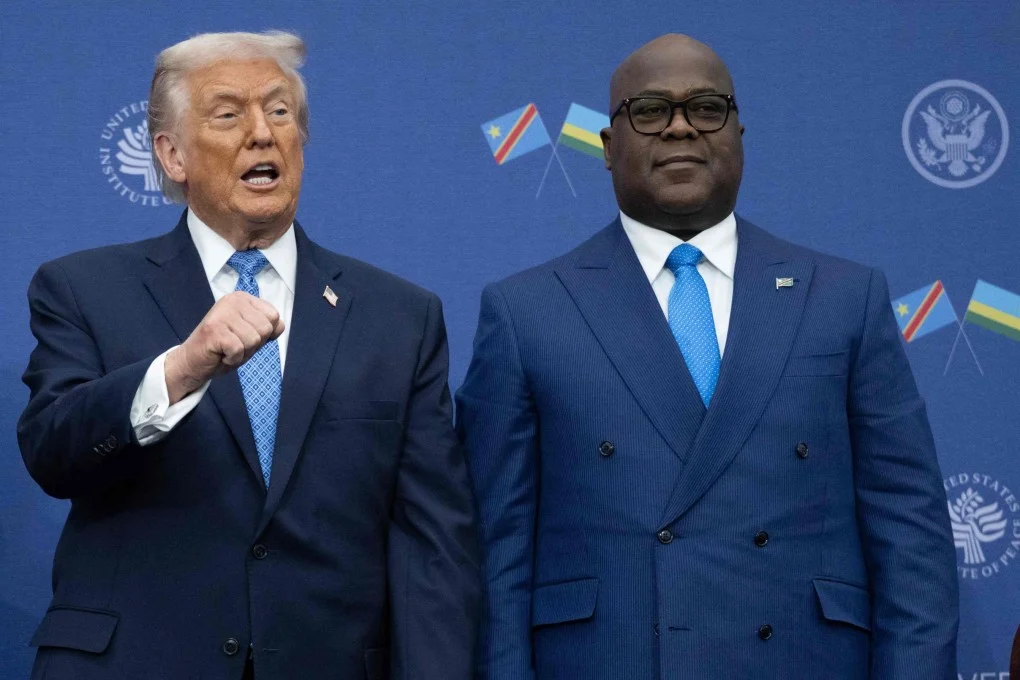
The government of the Democratic Republic of Congo has announced its plan to receive a group of migrants who will be deported from the United States, as part of a new agreement under the third country program launched by former President Donald Trump's administration. According to a statement from the Congolese Ministry of Communications, the arrival of these migrants in Congo is expected to begin later this month.
No additional details have been disclosed regarding the number of migrants to be received or the specific dates of their arrival, but the Congolese government has described this arrangement as "temporary." This announcement comes at a time when pressures are mounting on the current Biden administration to address immigration and asylum issues, as many migrants seek to enter the United States through the southern border.
Event Details
The Democratic Republic of Congo is the latest African country to join the list of nations receiving migrants deported from the United States. The third country program was designed as part of the Trump administration's efforts to reduce the flow of migrants to the United States, where these migrants are deported to other countries instead of being allowed to enter U.S. territory.
This move is part of a controversial immigration policy that has been criticized by many for its impact on human rights and the conditions of migrants. Human rights organizations have expressed concern that these policies may exacerbate humanitarian conditions in the host countries.
Background & Context
Historically, the Democratic Republic of Congo has suffered from humanitarian crises and internal conflicts, making it an unstable destination for migrants. However, hosting migrants could contribute to improving economic conditions in some areas, as the influx of migrants may lead to increased economic activity.
It is noteworthy that several other African countries have received migrants from the United States in recent years, reflecting a shift in global immigration policies. This shift may contribute to reshaping relations between African countries and the United States.
Impact & Consequences
The reception of migrants from the United States may have multiple effects on the Democratic Republic of Congo. On one hand, it could lead to improved economic conditions by increasing the number of active working-age individuals. On the other hand, this move may raise concerns about the country's capacity to absorb these migrants and provide for their basic needs.
This agreement may also open the door for further cooperation between Congo and the United States in the areas of immigration and development, potentially enhancing bilateral relations. However, this must be done with consideration for the rights of migrants and their humanitarian conditions.
Regional Significance
Immigration and asylum issues are significant in the Arab region, where many countries are experiencing an influx of migrants and refugees. U.S. immigration policies may affect Arab countries, as many migrants may seek safe havens in Arab nations after being deported from the United States.
In this context, Arab countries must be prepared to handle potential migrant flows and provide the necessary support. Additionally, cooperation between Arab and African countries in the field of migration could have a positive impact on humanitarian conditions in the region.