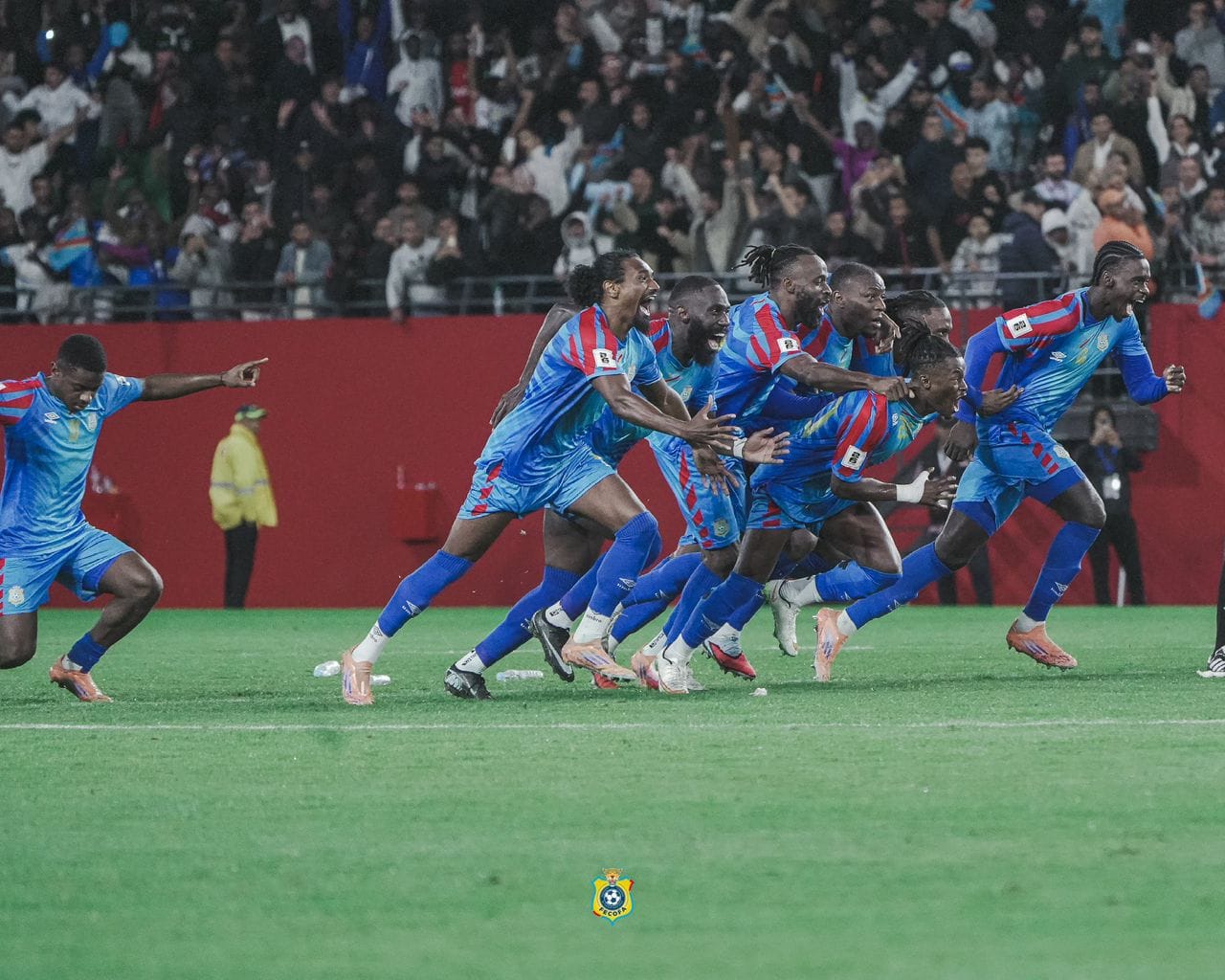
The Democratic Republic of Congo has qualified for the 2026 World Cup after a 52-year absence, winning against Jamaica with a clean sheet in the global playoff match held on Tuesday. The qualifying goal came in the second extra time, ensuring Congo's return to the biggest global sporting event.
This qualification represents a historic achievement for the Democratic Republic of Congo, as its last participation in the World Cup was in 1974. Since then, the country has faced numerous political and social challenges, which have impacted the development of its sports, particularly football.
Match Details
In an exciting match, Congo managed to control the flow of the game, but Jamaica also put in a strong performance. With the regular time ending in a goalless draw, both teams entered extra time. In the 115th minute, the Congolese player scored the winning goal, igniting celebrations among fans in the country.
This victory was not just a qualification, but a manifestation of the efforts of the players and coaching staff, who have worked hard over the past years to improve the team's level and achieve this milestone.
Background & Context
Historically, the Democratic Republic of Congo has been one of the major powers in African football, having won several continental championships. However, the political and economic conditions the country has experienced have led to a decline in the level of football. Its current qualification represents a turning point, as it could restore hope for sports in the country.
Football in Congo is considered part of the national identity and has contributed to uniting the people during times of crisis. Therefore, this qualification could have a positive impact on the morale of the Congolese people.
Impact & Consequences
The Democratic Republic of Congo's qualification for the World Cup could open doors for new investments in sports, potentially attracting more sponsors and investors. This achievement may also inspire young generations to engage in sports, contributing to the development of local talents.
Moreover, this qualification could enhance Congo's image on the international stage, reflecting the country's ability to overcome challenges and achieve successes. It may also have a positive impact on sports tourism in the country.
Regional Significance
Considering major sporting events, the Democratic Republic of Congo's qualification for the World Cup may spark interest among Arab audiences, especially with the increasing number of African teams achieving success on international platforms. This qualification could strengthen ties between African and Arab nations in the field of sports.
Furthermore, Congo's success could serve as an inspiration for Arab countries seeking to develop their sports and achieve similar accomplishments on a global level.
In conclusion, the Democratic Republic of Congo's qualification for the 2026 World Cup is a historic achievement that reflects ongoing efforts to develop football in the country and provides new hope for its people in facing challenges. This success is not just a sporting victory, but a symbol of hope and change.