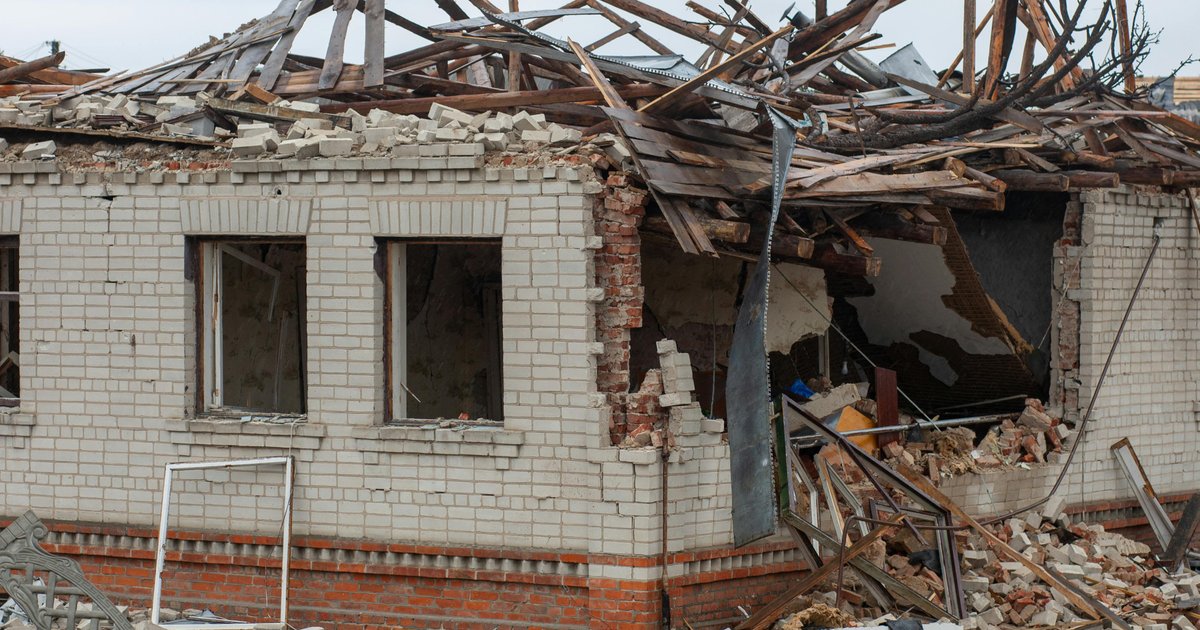
In a controversial move, the West Jakarta government demolished residential buildings in the Kamal area on Monday, aiming to convert the site into a new public cemetery. This operation is part of the government's efforts to meet the increasing burial service needs of the population.
The demolition was carried out using heavy machinery, with walls collapsing one after another. Residents who lived in these buildings were relocated to new housing units, causing feelings of sadness and grief among many who lost their homes after years of residence.
Details of the Demolition
The demolition process involved the use of heavy bulldozers, systematically removing the buildings. The operation left behind significant amounts of materials such as asbestos and wood, along with some furniture that residents could not transport. Many of the relocated residents watched anxiously as their homes, where they had lived for years, crumbled before their eyes.
At the same time, local officials confirmed that there are still 11 families residing on the site, and they have been directed to vacate the premises or join a resettlement program. Kamal's mayor, Edi Sukaria, indicated that the government would make efforts to facilitate the transition for affected residents.
Background & Context
Jakarta is considered one of the largest cities in Southeast Asia, facing significant challenges in housing and public services. With the growing population, the need for new cemeteries has become urgent. In recent years, the city has seen numerous demolitions of old residential buildings to convert them into new service spaces, including cemeteries.
Historically, these demolitions have been controversial, often resulting in many families losing their homes. However, the government asserts that it is striving to meet the increasing needs of the community.
Impact & Consequences
This move raises questions about how the government manages urban land, especially amid ongoing population growth. Such demolitions may exacerbate feelings of resentment among residents, potentially affecting social stability in the area.
Furthermore, these actions may increase pressure on the government to provide suitable housing alternatives for the displaced residents. If effective solutions are not provided, social and economic crises in the city may worsen.
Regional Significance
Jakarta's experience in managing urban land is similar to challenges faced by many major Arab cities, such as Cairo and Baghdad. These cities struggle with housing issues and population pressure, necessitating innovative solutions for urban resource management.
What is happening in Jakarta could serve as a lesson for Arab cities on how to handle housing crises and how to balance population needs with public services.