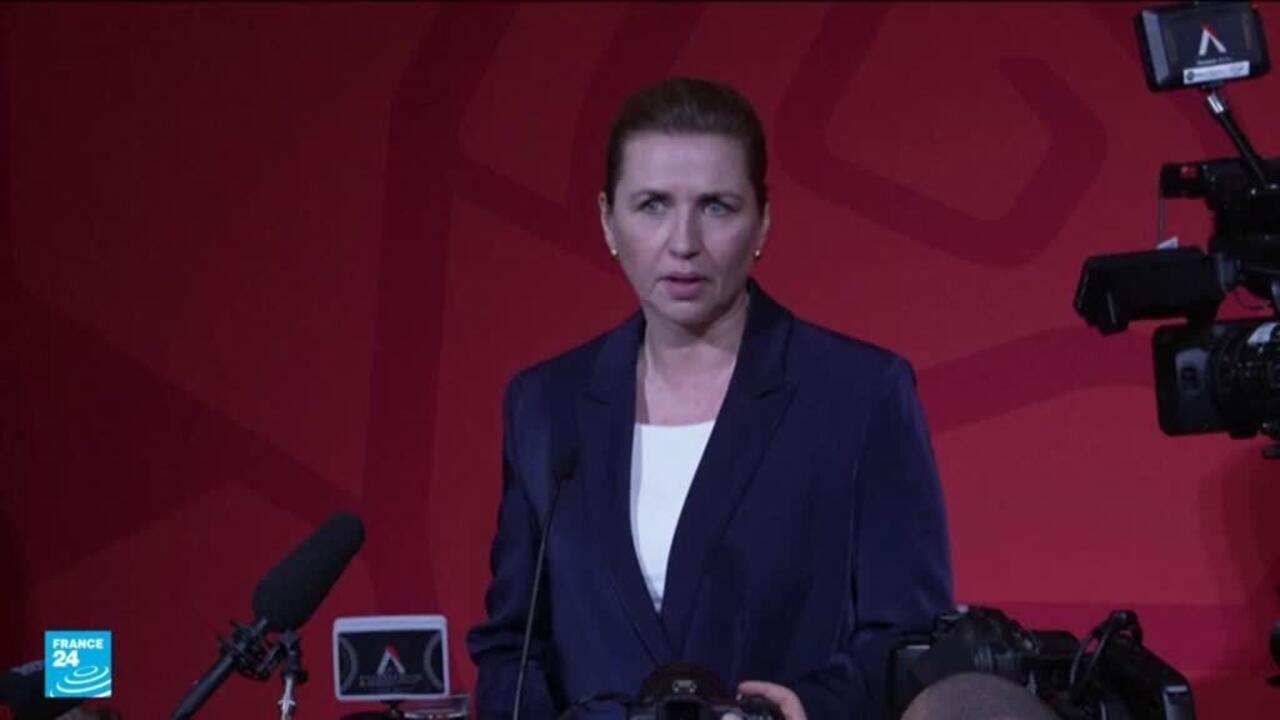
Mette Frederiksen, the leader of the Social Democratic Party in Denmark, has announced her readiness to take on the role of Prime Minister once again, despite a significant decline in her party's performance in the parliamentary elections held on Tuesday. The elections resulted in a lead for the leftist bloc, but did not guarantee them the majority needed to form a government.
The Social Democratic Party received 21.9% of the votes, marking its lowest level since 1903. This decline is a stark contrast to the 27.5% achieved in the previous elections in 2022, reflecting a notable decrease in voter support.
Details of the Event
The recent parliamentary elections witnessed intense competition among various political blocs, where the results showed an overall advance for the leftist bloc, yet they were unable to secure a majority. This situation places the Social Democratic Party in a challenging position, as it must seek new alliances to form a government.
In light of these circumstances, Frederiksen confirmed her commitment to continue working towards achieving political stability in the country, emphasizing the importance of cooperation among leftist parties to form a government capable of addressing current challenges.
Background & Context
Historically, the Social Democratic Party has been the main political force in Denmark, leading the government for extended periods. However, the party has experienced a decline in popularity in recent years, reflecting changes in the general mood of voters. Economic and social challenges, along with immigration issues, were among the factors influencing the election results.
The recent elections come at a sensitive time for Denmark, as the country faces multiple challenges, including economic crises stemming from the repercussions of the COVID-19 pandemic and the war in Ukraine. These factors could have significant impacts on the country's domestic and foreign policies.
Impact & Consequences
The significant decline of the Social Democrats may lead to a reshaping of the political landscape in Denmark, as other parties might seek to exploit this situation to strengthen their positions. Additionally, the leftist bloc's failure to secure a majority could contribute to increased political division, potentially hindering the next government's ability to make decisive decisions.
On the other hand, this situation could bolster right-wing parties, which may capitalize on the left's decline to enhance their standing in parliament. This could reflect on policies related to immigration and the economy, potentially affecting social relations within Danish society.
Regional Significance
The Danish elections and their implications may have broader significance in the Arab region, as political changes in Western countries reflect influences on foreign policies towards Arab nations. New trends in Denmark could affect issues such as immigration and economic policies, which may impact relations between Denmark and Arab countries.
Moreover, the decline of leftist parties in Europe might influence political movements in the Arab world, as this could encourage some right-wing forces to strengthen their positions in their respective countries.
In conclusion, the results of the Danish elections serve as an indicator of potential political changes in the country, which could significantly affect both domestic and foreign policies in the future.