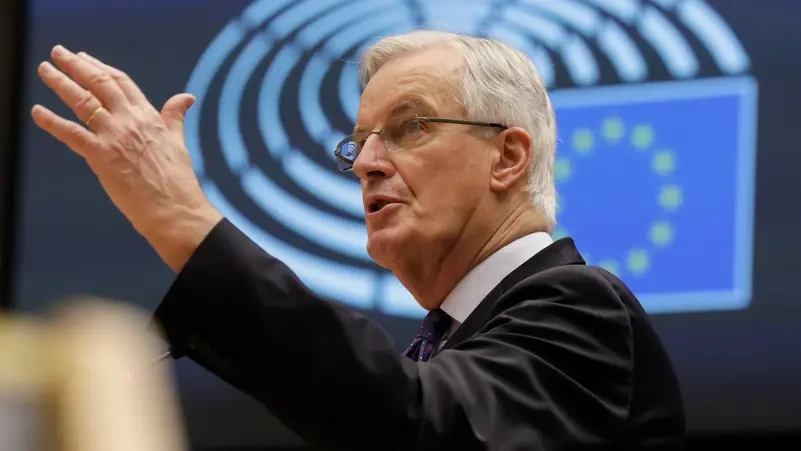
Danish Foreign Minister Lars Løkke Rasmussen has emerged as a key figure in the formation of the next government, acting as a kingmaker in any potential coalition. This comes at a time when Denmark is experiencing significant political transformations following the recent elections.
The preliminary election results indicate that political parties are facing substantial challenges in forming a new government, making Rasmussen's role more critical than ever. Rasmussen, who possesses extensive political experience, is one of the prominent figures capable of balancing the various political forces in the country.
Details of the Event
After the elections, it became clear that no single party is capable of forming a government on its own, opening the door for Rasmussen to be the decision-maker in forming any government coalition. Rasmussen is known as a pivotal political figure, having previously served as Prime Minister and Foreign Minister, which gives him a comprehensive vision of how to manage the country in the upcoming phase.
All eyes are now on how Rasmussen will seize this opportunity to form a government capable of addressing the economic and social challenges facing Denmark. There are also expectations that he will seek to achieve consensus between right-wing and left-wing parties to ensure the stability of the new government.
Background & Context
Historically, Denmark has witnessed many political transformations, with the recent elections reflecting a clear division in Danish society. Major political parties are no longer able to achieve an absolute majority, making the need for coalitions more urgent. Rasmussen, with his long political experience, may be the ideal person to lead these coalitions.
It is worth noting that Rasmussen served as Prime Minister from 2009 to 2011, leading the country through a period of economic challenges. His return to the political arena as Foreign Minister reflects the trust voters place in him, making him a central figure in shaping Denmark's future.
Impact & Consequences
If Rasmussen succeeds in forming a coalition government, it could significantly affect Denmark's domestic and foreign policies. The new government is expected to focus on issues such as immigration, the economy, and healthcare, which are of great concern to Danish voters.
Moreover, Rasmussen's success in forming the government could enhance his political standing and make him a pivotal figure in the European arena, especially given the challenges facing the continent in areas such as security and immigration. This could open the door for Denmark to become a key player in European policies.
Regional Significance
Denmark is considered one of the European countries with strong relations with many Arab nations. Any changes in the Danish government could affect foreign policies towards the Arab world, particularly regarding issues such as immigration and trade. The new government is expected to seek to strengthen economic relations with Arab countries, potentially opening new avenues for cooperation.
In conclusion, Lars Løkke Rasmussen is a pivotal figure in shaping Denmark's future, and he is expected to play a key role in forming the next government. All eyes are on how he will leverage this opportunity to achieve political and economic stability in the country.