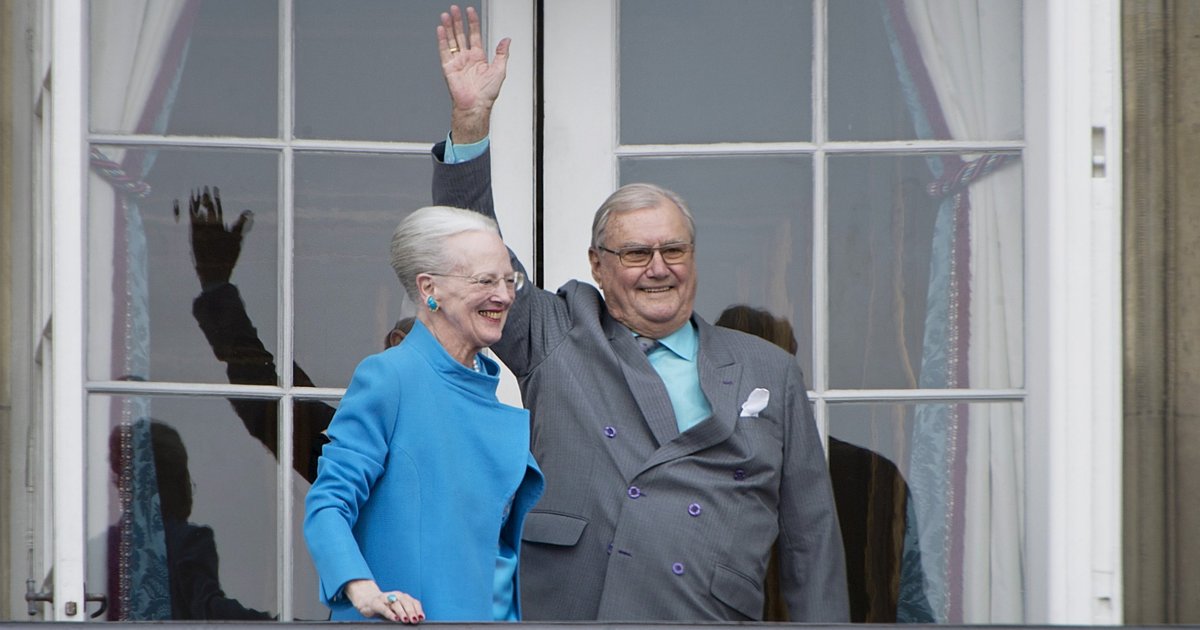
Prince Henrik, the husband of Queen Margrethe II of Denmark, has passed away at the age of 83, after suffering from cancer. His death was announced in an official statement from the royal palace, which confirmed that the prince died at home surrounded by family members.
Born on June 11, 1934 in France, Prince Henrik became a pivotal figure in the Danish royal family following his marriage to Queen Margrethe in 1967. He was known for his passion for the arts and culture, being a poet and writer, in addition to his interests in agriculture and animal husbandry.
Details of the Event
Prince Henrik had been facing health issues for several years, having been diagnosed with cancer in 2017. Despite his illness, he continued to participate in public events until recently. The news of his passing has evoked deep sorrow in Denmark, with many citizens expressing their condolences and feelings towards the royal family.
The prince's burial ceremony took place at the Church of Frederik in Copenhagen, attended by royal family members and close friends. He was honored with a memorial service at the royal palace, where his achievements and contributions to Danish society were highlighted.
Background & Context
Prince Henrik was sometimes a controversial figure, known for his desire to be called a king rather than a prince consort. This wish sparked discussions about the roles and titles within the royal family. His contributions to Danish culture and public life were significant, and he often advocated for various artistic endeavors.
His marriage to Queen Margrethe was not only a personal union but also a partnership that shaped the public image of the Danish monarchy. The couple shared a strong bond, and their relationship was often seen as a reflection of modern royal values.
Impact & Consequences
The passing of Prince Henrik marks a significant moment in the history of the Danish royal family, raising questions about the future of the monarchy in Denmark. His absence will undoubtedly be felt in both family and public life, as he played a crucial role in bridging traditional royal duties with contemporary cultural engagement.
His death may also influence public perceptions of the monarchy, as the royal family navigates the challenges of maintaining relevance in a rapidly changing society. The legacy of Prince Henrik will likely continue to resonate in discussions about royal titles and the evolving role of consorts in modern monarchies.
Regional Significance
Prince Henrik's contributions extended beyond Denmark, as he was involved in various international cultural initiatives. His passion for the arts helped foster cultural ties between Denmark and other nations, showcasing the importance of royal figures in diplomacy and cultural exchange.
As Denmark reflects on his life and contributions, it is essential to recognize the broader implications of his passing for the royal family and the nation's cultural identity. His legacy will continue to influence future generations and the ongoing narrative of the Danish monarchy.
In conclusion, the death of Prince Henrik is a profound loss for the Danish royal family and the nation as a whole. His life was marked by a commitment to the arts, culture, and public service, leaving behind a rich legacy that will be remembered for years to come.