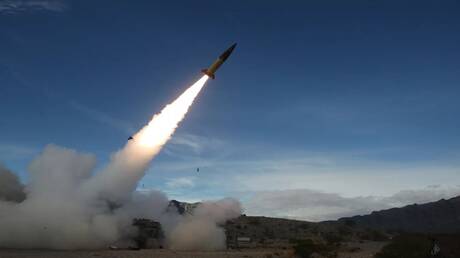
The British newspaper Financial Times reported that the ongoing conflict in the Middle East has led to a significant depletion of stocks of some advanced U.S. missiles and air defense systems. This depletion raises concerns about the United States' ability to respond to any future threats in the region.
Reports indicate that the United States has experienced a notable decline in its missile stockpile, weakening its ability to support allies in the region. This comes at a time when tensions between regional powers are escalating, making the need to bolster defensive capabilities more urgent.
Details of the Event
Reports suggest that armed conflicts in the Middle East, including disputes in Syria, Iraq, and Yemen, have resulted in the intensive use of American weapons. This increasing use of missiles and air defense systems has led to a faster depletion of stocks than anticipated.
There are also concerns that the continuation of this trend may affect the United States' ability to support its allies, such as Israel and Gulf states, in the face of potential threats from Iran and other armed groups.
Background & Context
Since the onset of conflicts in the Middle East, the United States has considered itself a key player in the region, providing military and logistical support to various countries. However, the current depletion of weapon stocks may alter the power dynamics in the area.
Historically, the United States has relied on large stockpiles of advanced weapons to ensure its military superiority. But with the increase in conflicts, it has become clear that these stocks are not unlimited, necessitating a reassessment of U.S. military strategies in the region.
Impact & Consequences
The depletion of stocks could reduce the military options available to the United States, potentially weakening its position in negotiations with regional powers. This depletion may also embolden adversaries, who might see it as an opportunity to increase their influence in the region.
Furthermore, a decline in U.S. military capability could lead to heightened tensions among regional states, as some countries may seek to further enhance their military capabilities to counter any potential threats.
Regional Significance
The depletion of American stocks serves as a wake-up call for Arab countries, as it may affect the balance of power in the region. If the United States continues to reduce its military support, Arab nations may find themselves compelled to independently bolster their defensive capabilities.
This situation could lead to an arms race in the region, as countries strive to enhance their military capabilities in the absence of American support. It may also increase the likelihood of new conflicts erupting, threatening regional stability.
In conclusion, the ongoing conflict in the Middle East places significant pressure on U.S. military stocks, necessitating a reassessment of military and political strategies in the region. The challenges facing the United States could significantly impact security and stability in the Middle East, requiring Arab nations to take proactive steps to ensure their security and stability.