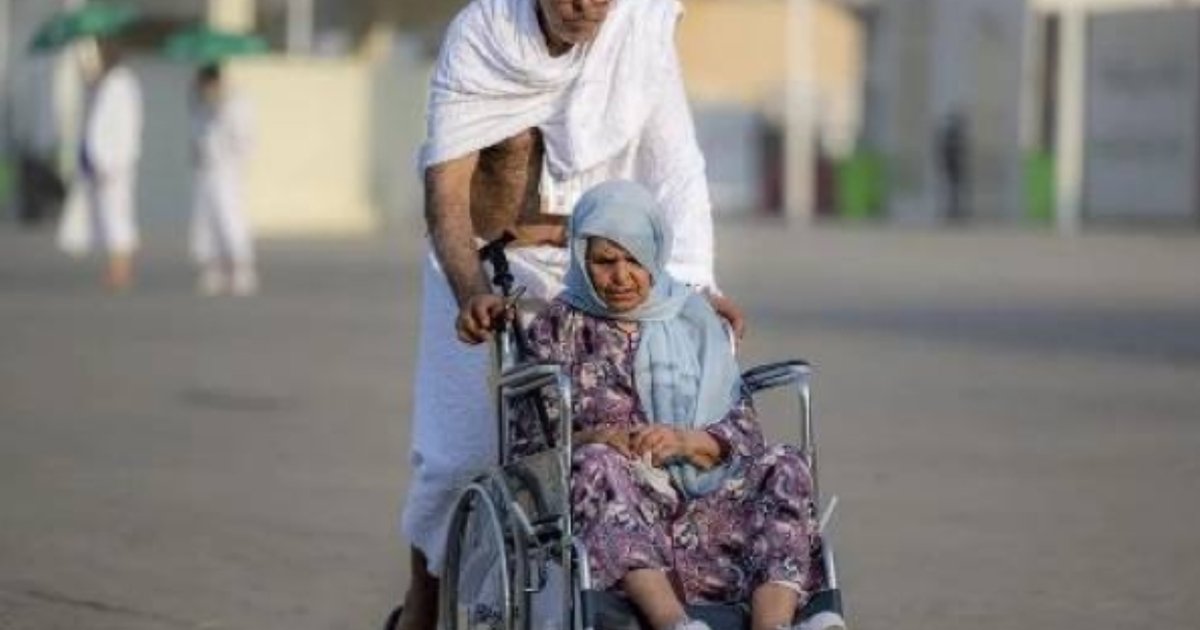
The General Presidency for the Affairs of the Grand Mosque and the Prophet's Mosque aims to provide the best services for those visiting the Holy Mosque, having designated 897 staff and 89 gates to facilitate the entry and exit of visitors. This step is part of the Kingdom of Saudi Arabia's efforts to create a safe and comfortable environment for pilgrims and Umrah performers.
The services provided include guiding visitors, offering necessary information about performing rituals, and organizing traffic within the Grand Mosque. All facilities have been equipped to meet the needs of visitors, reflecting the Kingdom's commitment to providing the best possible religious experience.
Details of the Initiative
This initiative is characterized by the effective presence of staff throughout the Grand Mosque, with personnel distributed across 89 main gates, making it easier for visitors to access sacred places. These staff members have also been trained on how to interact with visitors and provide the necessary support.
The General Presidency for the Affairs of the Grand Mosque is striving to improve the level of services offered by utilizing modern technologies, such as smartphone applications that provide instant information about prayer times and the locations of various services within the mosque.
Background & Context
These efforts are part of the Kingdom's Vision 2030, which aims to enhance the Kingdom's status as a global religious and tourist destination. The Saudi government seeks to improve the experience of pilgrims and Umrah performers, contributing to the enhancement of religious tourism.
Over the years, the Kingdom has witnessed a significant increase in the number of visitors, necessitating the provision of advanced services to meet their needs. Studies have shown that improving services within the Grand Mosque contributes to higher visitor satisfaction levels.
Impact & Consequences
These initiatives contribute to enhancing the positive image of the Kingdom on the international stage, reflecting its commitment to providing high-quality services. Furthermore, improving the visitor experience increases their desire to return for religious rituals, which contributes to boosting the country's economic revenues.
Moreover, providing a safe and comfortable environment enhances the Kingdom's ability to host major religious events, contributing to the promotion of religious tourism as one of the main sources of national revenue.
Regional Significance
These efforts serve as a model for other Arab countries, which can benefit from the Kingdom's experience in improving services for pilgrims and Umrah performers. Additionally, enhancing religious tourism in the Kingdom can contribute to the development of tourism in neighboring countries.
Many Arab countries are striving to improve their tourism and religious services, reflecting the importance of regional cooperation in this field. The Kingdom's success in providing exceptional services can motivate other countries to adopt similar strategies.
In conclusion, the ongoing efforts of the General Presidency for the Affairs of the Grand Mosque and the Prophet's Mosque reflect the Kingdom's commitment to providing the best services for those visiting the Holy Mosque, thereby enhancing its status as a global religious destination.