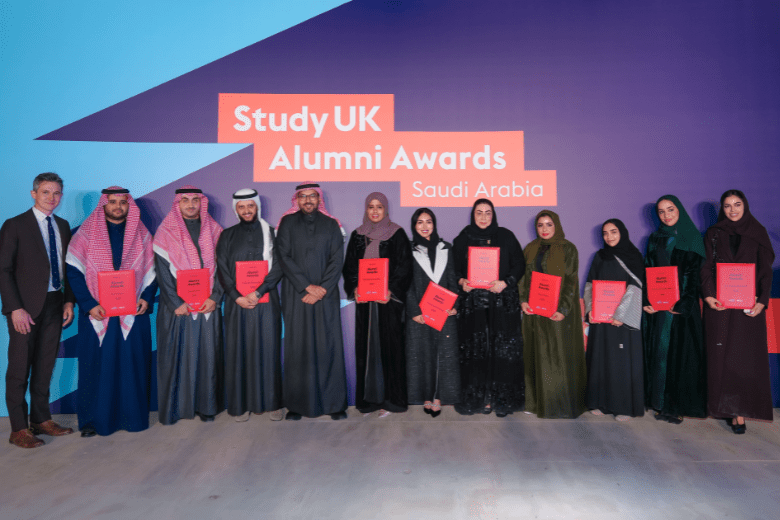
The Deputy Emir of the Eastern Province, Prince Ahmed bin Fahd bin Salman, held an important meeting with the region's education director, during which they reviewed the results of the "Munaaf" award for 2025. This award seeks to foster a spirit of competition among students and motivate them towards innovation and creativity across various fields.
During the meeting, Prince Ahmed bin Fahd emphasized the significance of education in building a bright future for upcoming generations, noting that the award represents a crucial step towards enhancing the educational process in the region. He expressed his happiness with the results achieved by the award, which reflect the efforts made by both students and teachers alike.
Event Details
The "Munaaf" award is an initiative aimed at encouraging students to participate in educational and competitive activities, covering various fields such as science, mathematics, and innovation. The current edition of the award witnessed wide participation from schools in the region, reflecting the educational community's interest in promoting a culture of positive competition.
Additionally, future plans for developing the award were discussed during the meeting, aligning with Saudi Arabia's Vision 2030, which aims to improve the quality of education and enhance innovation across all sectors. Prince Ahmed bin Fahd expressed his full support for these initiatives, emphasizing the necessity of providing a stimulating educational environment for students.
Background & Context
The Eastern Province is considered one of the vital regions in the Kingdom, housing numerous distinguished educational institutions. The Saudi government is committed to developing education through a series of initiatives aimed at improving educational quality and fostering innovation. The "Munaaf" award fits into this context as one of the projects supporting these goals.
Historically, Saudi Arabia has witnessed significant transformations in the field of education, with substantial investments made in developing educational infrastructure and training teachers. These efforts have contributed to raising the standard of education in the Kingdom, making it more competitive at both regional and international levels.
Impact & Consequences
The "Munaaf" award contributes to enhancing the spirit of competition among students, leading to improved academic performance and increased motivation to learn. Furthermore, this award reflects the government's commitment to developing education and providing equal opportunities for all students.
These initiatives are expected to lead to improved educational outcomes in the region, positively impacting the job market in the future. Students participating in such awards become better prepared to face challenges in their professional lives.
Regional Significance
The "Munaaf" award experience serves as a model for other Arab countries, as it can contribute to enhancing education and developing skills among youth. By encouraging innovation and competition, Arab nations can help build a new generation of leaders and innovators.
In conclusion, the "Munaaf" award represents a positive step towards achieving educational goals in the Kingdom and reflects the government's commitment to prioritizing education development. It is essential for these initiatives to continue in the future to achieve tangible results that benefit society.