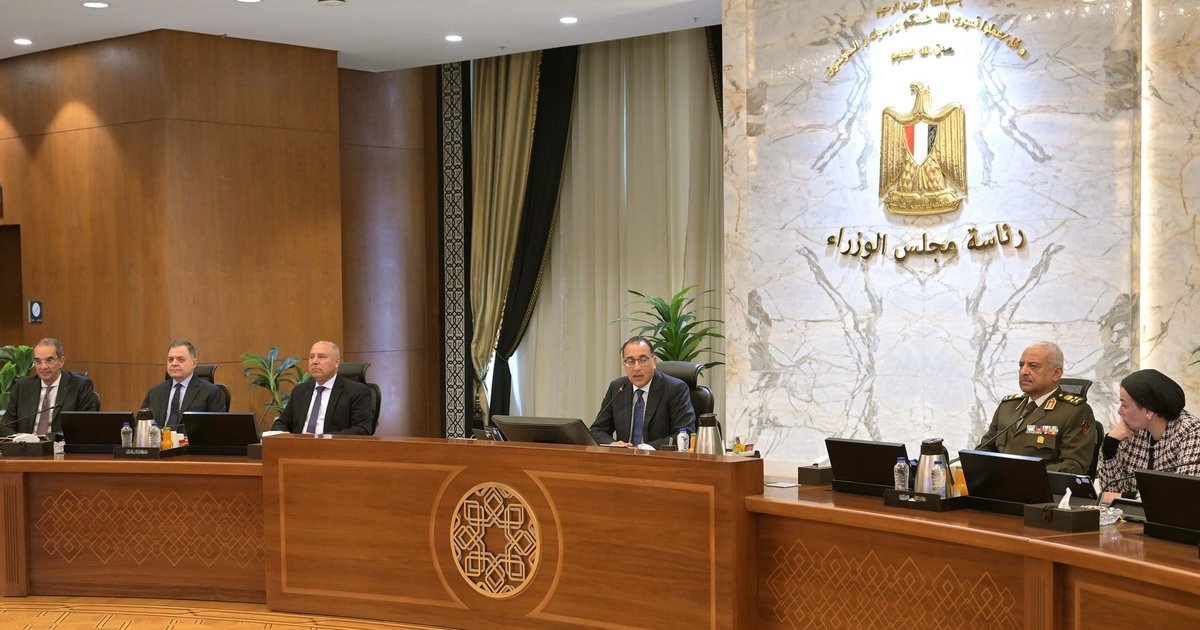
The Deputy Minister of Justice in Egypt has announced his rejection of the recently signed gas and oil agreements, pointing to the substantial financial burdens faced by the concerned authority. He confirmed that the debt-laden authority pays 10% as a royalty to the contractor, raising concerns about the sustainability of these agreements and their impact on the national economy.
These statements come at a sensitive time for the oil sector in Egypt, as the government seeks to attract foreign investments and improve economic performance. However, the financial burdens borne by the authority may exacerbate economic conditions rather than improve them.
Details of the Announcement
During a press conference, the Deputy Minister of Justice emphasized that the current agreements do not reflect national interests and impose an additional burden on the authority. He noted that paying a 10% royalty to the contractor constitutes a significant financial burden amid the difficult economic conditions the country is experiencing.
He further explained that these agreements could lead to an increase in debt, weakening the authority's ability to meet its financial obligations. He considered that there is an urgent need to reassess these agreements in line with the public interest.
Background & Context
Historically, the gas and oil sector in Egypt has faced numerous challenges, ranging from declining global oil prices to increasing financial burdens. In recent years, the Egyptian government has attempted to improve the investment environment in this sector by attracting foreign companies; however, the current financial conditions may hinder these efforts.
Concerns are growing that the continuation of these agreements could exacerbate the financial situation of the authority, negatively impacting the country's ability to achieve energy self-sufficiency.
Impact & Consequences
If the authority continues to pay high royalties to contractors, this could lead to increased debt and a deterioration of the financial situation in the sector. This, in turn, may affect the government's ability to implement other developmental projects, negatively impacting the national economy.
The Deputy Minister's rejection of these agreements may open the door for further discussions on how to manage the oil sector in Egypt and could lead to changes in current policies that may be more aligned with national interests.
Regional Significance
Egypt is considered one of the key energy players in the Arab region, and any changes in its oil policies could affect regional markets. If the government can restructure the agreements in line with national interests, it could have a positive impact on the stability of the regional market.
Conversely, if conditions remain unchanged, this could exacerbate economic crises in the region, affecting foreign investments and increasing instability.
In conclusion, the future of the gas and oil sector in Egypt hangs in the balance regarding how the government addresses these challenges and whether it will take serious steps to reassess the current agreements.