The Russian Ministry of Defense has reported the destruction of 27 Ukrainian drones in various regions of Russia, occurring within a brief period of seven hours on Sunday. This announcement comes at a time when tensions between Russia and Ukraine are intensifying, as Ukrainian forces continue their military operations against Russian positions.
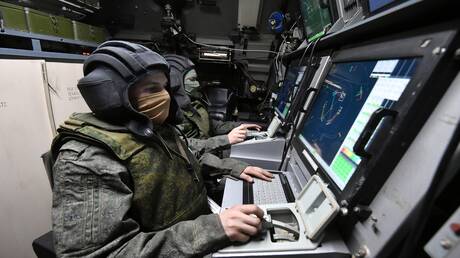
This incident is part of a series of aerial clashes that have recently occurred in the region, with both Russia and Ukraine seeking to enhance their military capabilities. The Russian Ministry of Defense added that the drones were shot down by Russian air defense systems, highlighting the effectiveness of these systems in countering aerial threats.
Details of the Incident
According to reports, the drones were shot down in several areas, indicating the widespread nature of Ukrainian military operations. The Russian Ministry of Defense confirmed that these drones were targeting strategic sites within Russian territory, further escalating the ongoing conflict.
These developments come at a sensitive time, as both sides are striving to achieve military gains on the ground. Military sources indicate that Russia has increased its defensive preparations in response to the growing threats from the Ukrainian side, reflecting a state of military alertness on both sides.
Background & Context
The roots of the conflict between Russia and Ukraine date back to 2014, when Russia annexed Crimea, leading to heightened military and political tensions in the region. Since then, relations between the two countries have continuously deteriorated, with clashes escalating in Eastern Ukraine.
In recent years, Ukraine has increased its reliance on drones as part of its military strategy, making it a growing threat to Russian defensive capabilities. In response, Russia has bolstered its air defense systems, leading to heightened tensions in the skies.
Impact & Consequences
This incident is a clear indicator of the escalating conflict between Russia and Ukraine, potentially leading to greater escalation in military operations. The destruction of the drones may impact Ukraine's military plans, prompting a reconsideration of its future strategies.
Moreover, these developments could increase tensions between Russia and Western countries, which are closely monitoring the situation. These events may influence political and military decisions in the region, complicating the security landscape further.
Regional Significance
The developments in the Russian-Ukrainian conflict are of significant importance to the Arab region, as Arab countries closely monitor the impact of these events on regional security. Tensions in Europe could affect energy prices, which would reflect on Arab economies that heavily rely on oil exports.
Additionally, the situation in Ukraine could lead to increased migration and displacement, potentially affecting stability in the region. Under these circumstances, Arab countries must be prepared to address any repercussions that may arise from the escalation of the conflict.
In conclusion, the destruction of 27 Ukrainian drones over Russian territory reflects the rising tensions in the ongoing conflict, necessitating close monitoring by the international community. As both parties seek to achieve military gains, the question remains about how these events will affect security and stability in the region.