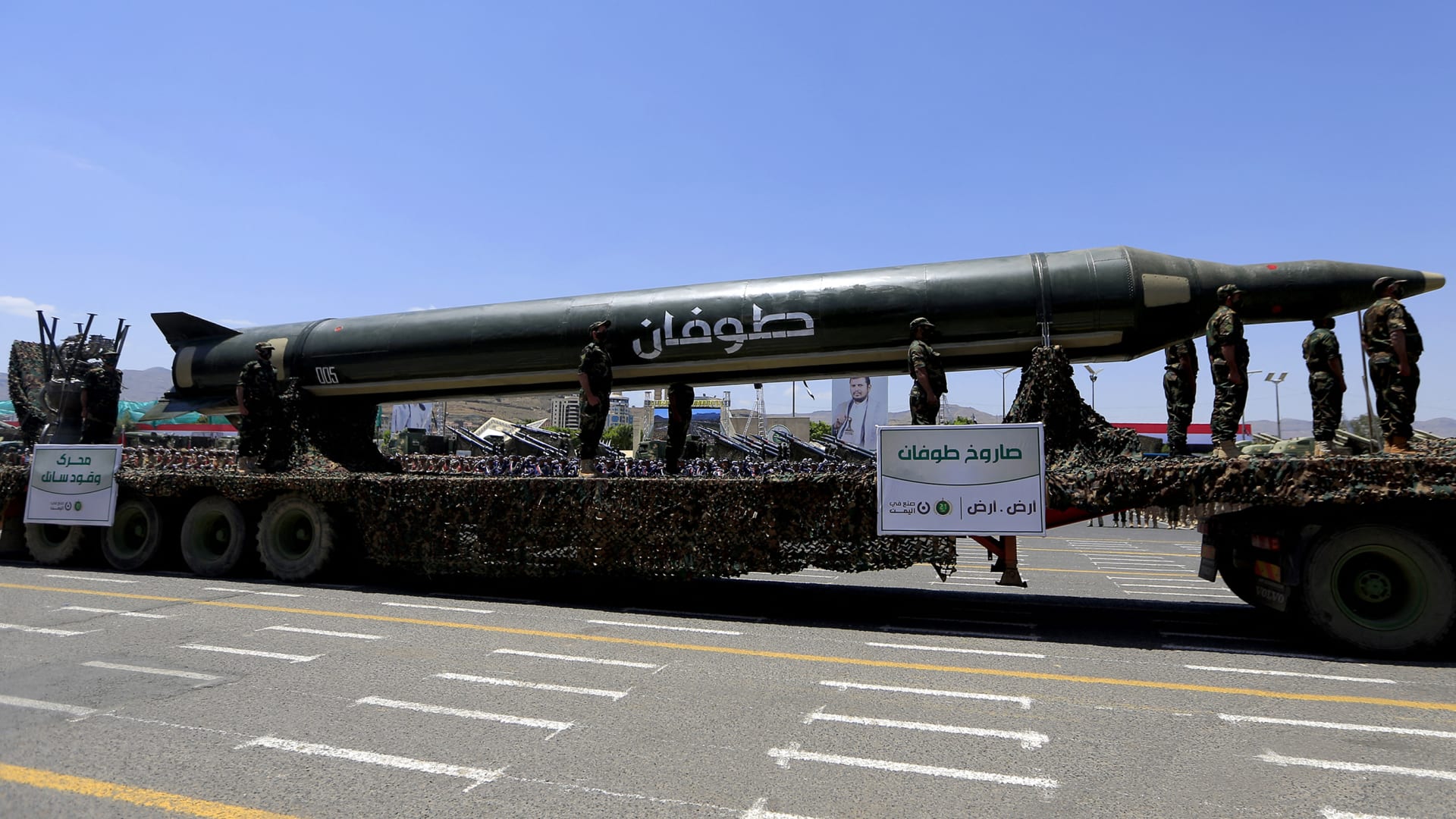
The Gulf countries are continuing their vigorous efforts to confront security threats, successfully destroying a number of hostile missiles and thwarting espionage networks aimed at their security. These operations come at a time when the region is witnessing escalating tensions, necessitating the enhancement of defensive and intelligence capabilities.
Recently, Gulf security sources announced the execution of precise military operations that resulted in the destruction of missiles targeting Gulf territories. These operations were not limited to military actions alone but also included thwarting espionage attempts by hostile entities, demonstrating a high level of readiness and coordination among Gulf states.
Details of the Operations
According to reports, the armed forces in the Gulf countries managed to detect and destroy several missiles directed at vital targets. The operations were carried out with high precision, utilizing the latest military technologies to counter the threats. Additionally, espionage networks operating covertly were uncovered, reflecting the level of challenges these countries face.
The military operations were part of a comprehensive response to the increasing threats from certain regional entities. Cooperation between security and intelligence agencies in the Gulf countries has been strengthened, contributing to these successes.
Background & Context
Historically, the Gulf region has experienced ongoing tensions due to regional conflicts and external interventions. These tensions have heightened the need to bolster defensive capabilities, especially in light of increasing threats from certain nations. These operations are part of a broader strategy aimed at protecting national security and enhancing stability in the region.
Furthermore, cooperation among Gulf countries in the field of security and defense has become more important than ever, as these nations seek to build strong alliances to face common challenges. This cooperation reflects a unified vision for the future of the region, where Gulf states aspire to achieve stability and security.
Impact & Consequences
These military operations serve as a strong message to hostile entities, affirming the Gulf countries' ability to protect their territories and interests. These successes are expected to enhance trust among Gulf states, contributing to increased security cooperation in the future.
Moreover, these operations may impact regional relations, prompting some countries to reassess their strategies. At the same time, they could strengthen the position of Gulf states in international forums, showcasing their commitment to safeguarding their security and stability.
Regional Significance
These developments come at a sensitive time for the Arab region, where many countries are striving for stability and security. The successful operations of the Gulf states may inspire other nations in the region to enhance their defensive and intelligence capabilities, contributing to building a better security environment.
In conclusion, these military operations reflect the Gulf countries' commitment to protecting their security and stability, emphasizing the importance of cooperation among nations in facing common challenges. Strengthening defensive and intelligence capabilities is a fundamental step towards achieving security and stability in the region.