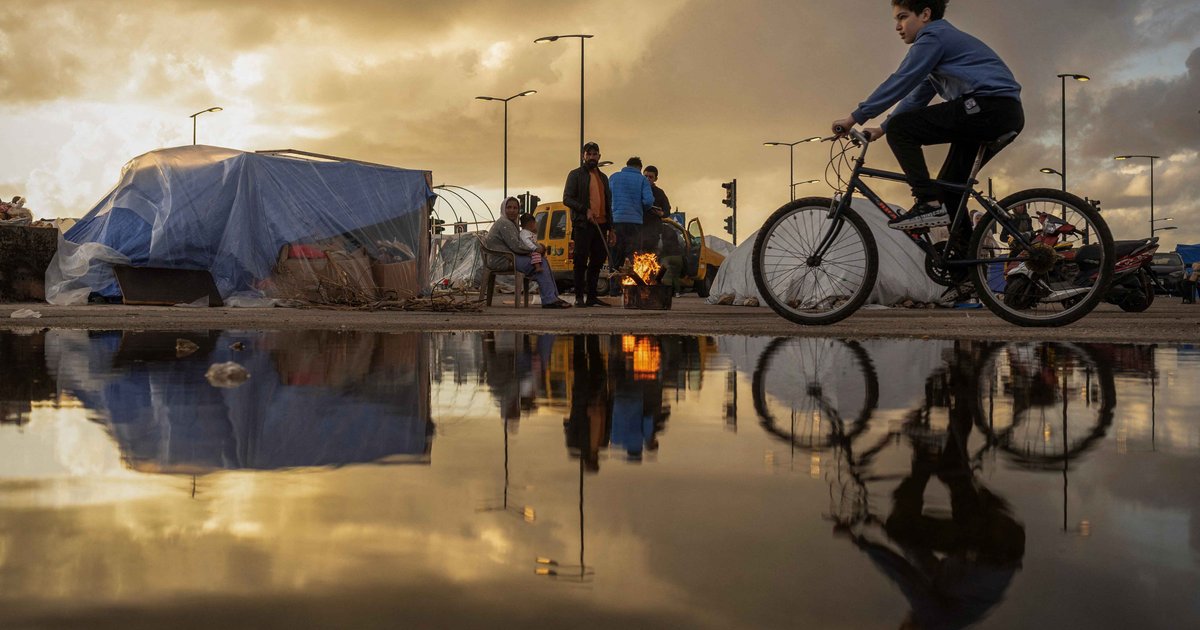
The Iranian Red Crescent Society reported that attacks by the United States and Israel have led to the destruction of over 90,000 housing units, 300 health centers, and 760 schools in Iran. These figures reflect the extent of the devastation faced by the country's infrastructure, raising significant concerns about the humanitarian situation in the region.
The attacks, which represent an escalation in tensions between Iran and both the United States and Israel, come at a sensitive time as fears grow regarding the impact of these actions on civilians. Reports have indicated that many families have lost their homes, exacerbating their suffering amid the country's challenging economic conditions.
Details of the Incident
The recent attacks on Iran are recorded as one of the bloodiest events in the region, with many areas suffering severe damage. According to the Iranian Red Crescent, the destruction also includes health facilities that are vital for providing medical care to civilians. This situation places additional pressure on a healthcare system that is already struggling with resource shortages.
The announced figures indicate that the attacks did not only target residential buildings but also educational institutions, threatening the future of children and youth in Iran. The destruction of 760 schools means that thousands of students may lose their educational opportunities, which could have long-term repercussions on Iranian society.
Background & Context
Historically, relations between Iran and the United States have been marked by increasing tensions since the Islamic Revolution in 1979. These tensions have particularly escalated in recent years, with a rise in Israeli military activities in the region and the imposition of economic sanctions on Iran. These events occur within the framework of a broader conflict between regional and international powers, as both the United States and Israel seek to undermine Iran's influence in the Middle East.
In recent years, Iran has faced mounting pressure from the international community due to its nuclear program, leading to heightened military tensions. The recent attacks are part of these complex dynamics, as both parties aim to achieve their strategic objectives in the region.
Impact & Consequences
The consequences of these attacks are likely to be far-reaching, as they may exacerbate the humanitarian situation in Iran. With the destruction of essential infrastructure, the Iranian government will face significant challenges in providing basic services to its citizens. Additionally, this situation could lead to increased public discontent, potentially contributing to internal instability.
Moreover, these attacks may escalate tensions between Iran and Western countries, increasing the likelihood of new conflicts in the region. The continuation of these dynamics could worsen humanitarian crises and increase the number of displaced persons and refugees in the area.
Regional Significance
The situation in Iran has a direct impact on the Arab region, as any escalation in tensions could affect security and stability in neighboring countries. Many Arab nations are closely monitoring these events, as any military escalation could lead to unforeseen consequences in the region, including an influx of refugees and increased sectarian tensions.
In light of these events, Arab countries must be prepared to address any repercussions that may arise from the situation in Iran. Regional and international cooperation will be essential to tackle the humanitarian and security challenges that may result from these crises.