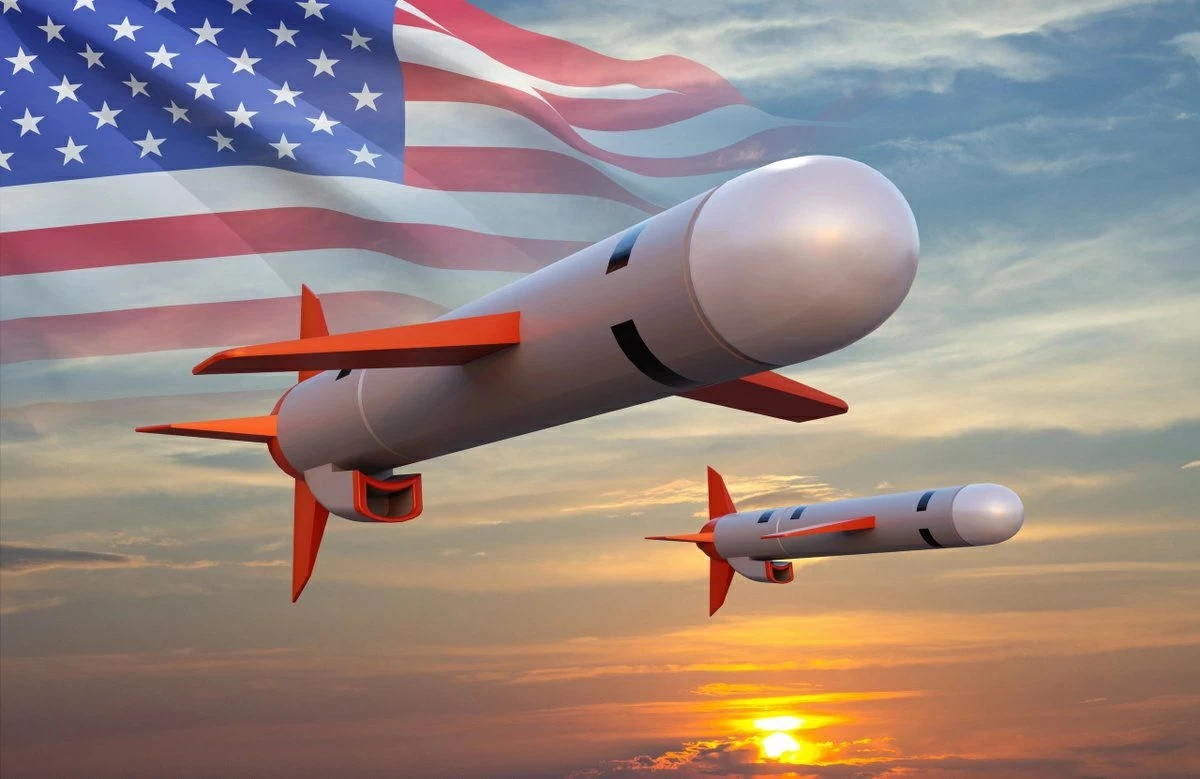
The Ministry of Defense announced its success in detecting and destroying a cruise missile that was heading towards the Eastern region, raising numerous questions about the nature of this advanced weapon. The cruise missile is considered one of the most prominent tools of modern warfare, possessing unique characteristics that make it one of the most dangerous weapons in the arsenals of nations.
The cruise missile is a guided missile that flies within the atmosphere at low altitudes, mimicking the movements of small unmanned aerial vehicles. These characteristics grant it significant maneuverability and the ability to reach its targets with high precision over long distances.
Details of the Event
The cruise missile is distinguished by several features that make it one of the most dangerous modern weapons. Unlike ballistic missiles, it does not follow a traditional trajectory; instead, it flies horizontally with a jet engine at a very low altitude, reducing the chances of detection by radar systems. The missile relies on advanced guidance systems that include satellites and digital maps, allowing it to strike its targets accurately even in complex environments. It can cover long distances that may reach hundreds or thousands of kilometers.
The cruise missile can be launched from multiple platforms, including ships, submarines, aircraft, or ground bases. It begins with a solid rocket motor that provides initial thrust before a jet engine takes over for sustained flight. During its journey, it follows a pre-programmed path, enabling it to avoid natural obstacles and defense systems until it reaches its target with high accuracy.
Background & Context
The cruise missile differs from its ballistic counterpart in terms of movement and performance. While the cruise missile flies horizontally within the atmosphere at relatively lower speeds with high accuracy, the ballistic missile follows an ascending path to higher atmospheric layers before descending rapidly towards its target. This difference makes the cruise missile more flexible in adjusting its course, increasing its effectiveness in military operations.
The American Tomahawk missile is one of the most notable global examples of this type of missile, widely used in precision military operations. The Tomahawk boasts advanced guidance capabilities and a long range, making it a preferred weapon for many armies around the world.
Impact & Consequences
Highlighting the cruise missile reflects the evolution of modern weapons and how they influence military strategies. As reliance on these advanced systems increases, countries must develop defensive systems capable of countering these threats. The ability to infiltrate and bypass detection systems means that future wars may require new strategies to address these challenges.
Moreover, the use of cruise missiles in military conflicts could alter the balance of power in the region, potentially escalating tensions between nations. The capacity to execute precise strikes from long distances means that countries may become bolder in using military force.
Regional Significance
In the Arab region, the cruise missile poses a potential threat, especially amid ongoing tensions between certain countries. The presence of these advanced weapons could increase the risks of conflicts and make achieving peace and stability more challenging. Arab nations may need to enhance their defensive capabilities to confront these new challenges.
In conclusion, the cruise missile embodies technological advancement in weaponry and reflects the challenges faced by nations in maintaining their security and stability. Understanding the characteristics of this weapon and its potential impacts is crucial for addressing future challenges.