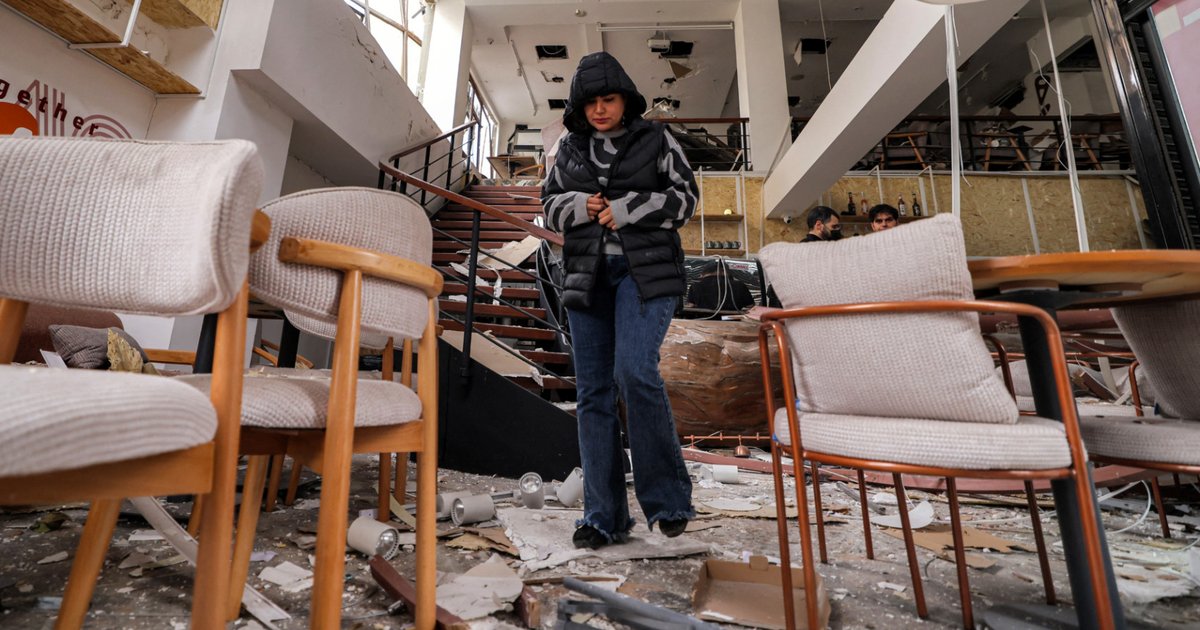
Small businesses in Tehran are facing complete destruction due to US and Israeli bombings, leaving civilians without jobs and increasing debts. While US and Israeli officials promote the success of their military campaign, ordinary Iranians tell a completely different story, filled with deep losses.
Ahmad Reza, an eyewear shop owner in downtown Tehran, is one of those affected. The bombing has destroyed everything he built over the years. "All my life savings are gone," says Ahmad Reza. "Everything I had built over the years vanished in seconds." Ahmad Reza estimates his losses at around 150 billion rials, equivalent to $100,000.
Details of the Event
Pressure is mounting on Iranians as the war enters its second month, with many pointing out that the nature of the airstrikes has changed. While Israeli authorities insist they are targeting military infrastructure, local residents indicate that civilian areas have become an increasing target. Ahmad Reza states, "There are no military bases near my shop, so why was our area targeted?".
Tragic stories continue to unfold, as Mina, who works at a women's beauty salon in western Tehran, has lost her entire workplace. She says, "I couldn't sleep because of the sound of the planes; it was so close, it felt like something buzzing next to my ear." That night was before the airstrike, when the salon was at its peak activity ahead of Nowruz, the Persian New Year.
Background & Context
Historically, Iran has witnessed numerous political and economic crises, but the current war represents a new turning point. As tensions escalate between Iran and the United States and its allies, civilians have become the main victims. International sanctions have deteriorated the Iranian economy, forcing many Iranians to rely on their small businesses for livelihood.
Naghmeh, a 29-year-old woman, recently launched a clothing brand with her friends. She says, "We were four young women trying to build something for ourselves." However, a bombing destroyed their design studio, leading to the loss of all their work.
Impact & Consequences
Feelings of fear and anger are rising among Tehran's residents. People do not know how long this war will last, and many express disbelief that the declared objectives of either side will be achieved. Hassan, a 67-year-old restaurant owner who lost his family business, states, "They did not expect Iranians to collapse after the first strikes, or at least to come out and protest against the government."
The psychological pressures on Iranians are increasing, as they feel trapped in a situation beyond their control. "We are stuck," Naghmeh says quietly. "We did not choose this war, but we are the ones living it."
Regional Significance
The repercussions of this war extend beyond Iran's borders, affecting regional stability. Humanitarian crises exacerbate tensions between Arab countries and Iran, complicating political and economic relations. The ongoing bombing of civilian infrastructure raises widespread concerns about human rights in the region.
In conclusion, the current war is not just about political conflicts; it is also about survival. Small business owners, workers, and young Iranians face increasing pressures as they speak of losses rather than victories. They are confronting the loss of income and stability, heightening their sense of being trapped in a conflict larger than themselves.