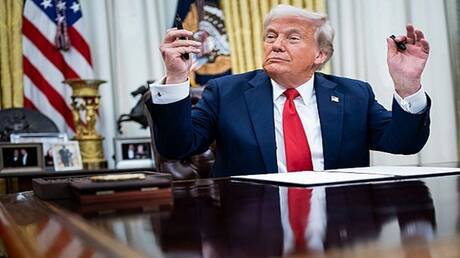
A forthcoming book titled "Regime Change: Inside the Imperial Presidency of Donald Trump" reveals previously undisclosed details concerning the two and a half weeks leading up to the United States and Israel's war against Iran. This information sheds light on the political and military tensions that were escalating during that critical period.
The book outlines how Israeli Prime Minister Benjamin Netanyahu made a decisive offer to the United States, contributing to the decision to launch the attack. It also discusses how former President Donald Trump disregarded warnings from intelligence agencies about the potential consequences of this attack.
Details of the Event
The events highlighted in the book include secret meetings between Israeli and American officials, where strategies for the attack on Iran were discussed. It addresses how these meetings impacted the relations between the two countries and their influence on regional stability.
The book shows that Trump, despite the warnings, was determined to take bold steps against Iran, reflecting the nature of his foreign policy that relied on military force as a means to achieve political objectives.
Background & Context
Historically, relations between Iran and the United States have been tense since the Islamic Revolution in 1979. These relations have seen a notable escalation in recent years, especially after Trump's withdrawal from the Iranian nuclear deal in 2018. This withdrawal heightened tensions, making war a viable option on the table.
In this context, the book serves as an important reference for understanding how American and Israeli policies may intersect on regional security issues, and how decisions made behind closed doors can lead to radical changes in the political and military landscape of the Middle East.
Impact & Consequences
If the attack on Iran is executed, it would have serious repercussions for regional and international security. It could escalate the conflict in the region, potentially dragging other countries into the dispute. Additionally, the attack may affect oil prices and global markets, negatively impacting the global economy.
Moreover, such actions could increase tensions between the United States and its allies, undermining existing alliances and heightening instability in the region.
Regional Significance
The Arab countries neighboring Iran find themselves in a sensitive position, as any military escalation could impact their security and stability. Countries like Iraq, Syria, and Lebanon could be caught in the crossfire, threatening to ignite situations in those nations.
Furthermore, public reactions in Arab countries may be negative towards any military intervention, increasing pressure on Arab governments to deal with the fallout from this potential conflict.
In conclusion, the book provides a comprehensive view of the events leading up to a potential war on Iran, highlighting the importance of understanding the political and military dynamics in the region. This information could be crucial for comprehending the future of international relations in the Middle East.