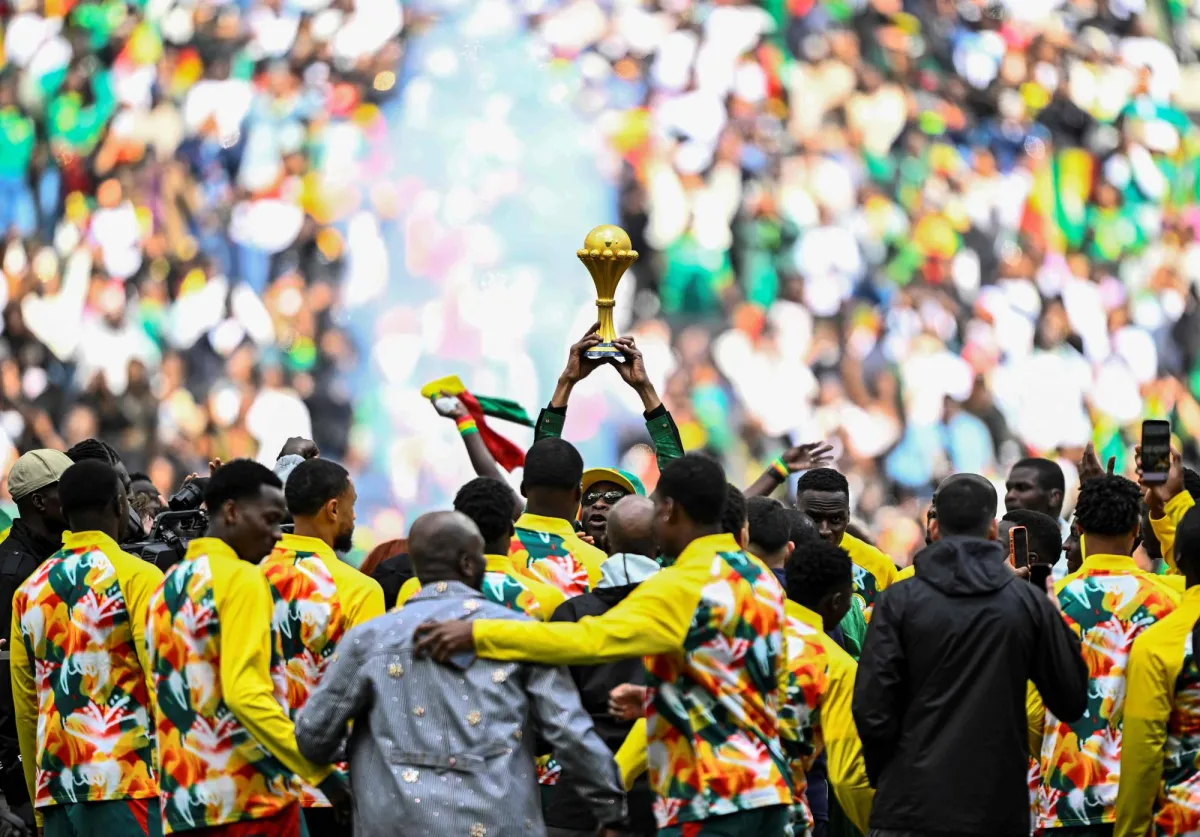
Fouzi Lekjaa, the president of the Moroccan Football Federation and vice president of the African Football Confederation, revealed details regarding Senegal's withdrawal from the Africa Cup of Nations final, confirming that this withdrawal is officially documented. This announcement came after the decision of the appeal committee of the African Football Confederation (CAF), which deemed Senegal to have withdrawn from the match that took place on January 18, leading to Morocco being awarded the title.
Lekjaa explained in statements reported by the French website "Foot Mercato" that Morocco possesses documented evidence supporting its position, indicating that all elements related to the incident are accurately recorded, whether through official reports or video recordings. He confirmed that the match referee's report substantiates Senegal's withdrawal, in addition to the existence of recordings documenting the moment of withdrawal and the surrounding circumstances.
Details of the Event
Lekjaa emphasized that the confirmation of Senegal's withdrawal from the final is based on the requirements of Article 84 of the CAF disciplinary regulations, which the federation adopted to affirm Morocco's victory in the tournament after the Senegalese team left the field. He noted that Morocco agreed to continue the match despite Senegal's departure, as it could not refuse to resume, which would have subjected it to penalties.
Since the appeal committee's decision weeks ago, opinions have been divided in the African football arena regarding this issue, with Senegal's loss being announced and players being penalized after leaving the field in protest against refereeing decisions. Senegalese players and the federation have appeared in various media outlets to assert their right to the championship.
Background & Context
Historically, African football has witnessed numerous controversies surrounding refereeing decisions, which have affected the reputation of some tournaments. This controversy surrounding the Africa Cup of Nations final is part of a series of events reflecting tensions between African teams, especially amid fierce competition for titles.
It is noteworthy that Morocco has achieved significant accomplishments in recent years, making it one of the strong contenders for African titles. Meanwhile, the Senegalese federation is striving to regain its status after this decision, reflecting the challenges faced by teams in the African arena.
Impact & Consequences
These events could affect relations between football federations on the continent, as this controversy may lead to new tensions between teams. Additionally, the appeal committee's decision may open the door for further appeals from other teams that may feel wronged.
This issue is expected to continue attracting media attention, which may impact teams' preparations for upcoming competitions. The reactions from fans and players will also play a significant role in shaping the African football landscape in the near future.
Regional Significance
This issue is part of the Arab football scene, where many Arab teams strive for success in African and international tournaments. Morocco's victory in the title under these circumstances may enhance its status as a football power in the region.
Moreover, the divisions that may arise from this controversy could affect cooperation between Arab football federations, necessitating greater efforts to promote unity and understanding among teams.
In conclusion, this issue remains a focal point for observers, as its repercussions will become clearer in the near future on the African and Arab football scenes.