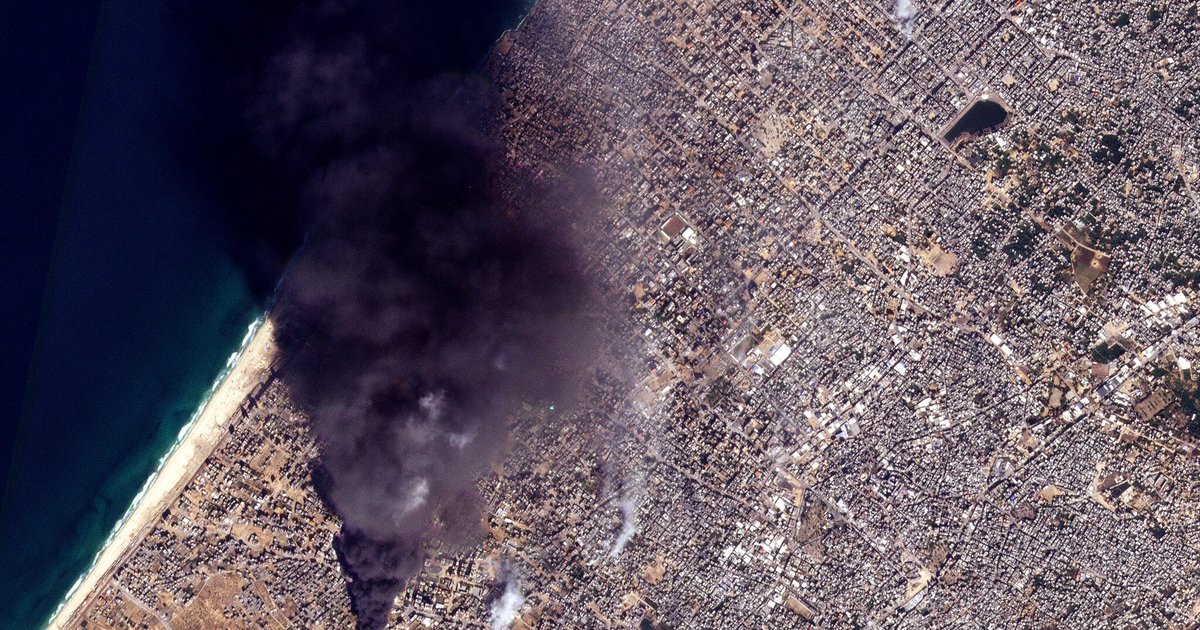
Gaza is experiencing a severe water crisis, with its water infrastructure being destroyed due to the ongoing conflict. Concerns are rising about the impact on residents' lives amid difficult humanitarian conditions. Reports indicate that the war and continuous military activity have contributed to the deterioration of the water situation, threatening the health and livelihoods of the population.
Gaza is one of the most densely populated areas in the world, with over two million people living in a small space. The ongoing conflict has led to the destruction of many vital facilities, including water treatment plants and water networks. While residents suffer from a severe shortage of clean water, challenges are increasing for humanitarian organizations trying to provide assistance.
Details of the Situation
Reports show that the water system in Gaza has sustained significant damage due to repeated shelling, resulting in the destruction of water pumping stations and the cessation of many essential services. Additionally, ongoing tensions hinder reconstruction efforts, exacerbating the crisis. Under these circumstances, residents are struggling to access safe drinking water, which threatens their public health.
Humanitarian organizations report that many families in Gaza rely on unreliable water sources, increasing the risk of disease outbreaks. Studies have shown that a significant proportion of the available water does not meet health standards, raising concerns about the spread of infectious diseases.
Background & Context
Historically, Gaza has suffered from water crises due to the blockade and restrictions on resources. These crises have worsened with the outbreak of armed conflicts, severely damaging infrastructure. Over the years, there have been multiple attempts to improve the water situation, but ongoing conflicts have hindered sustainable progress.
In recent years, pressures on Gaza's water system have increased due to rapid population growth and climate change. With rising demand for water, urgent action is necessary to protect water resources and ensure access for the population.
Impact & Consequences
The water crisis in Gaza directly affects the health and well-being of the population. The lack of clean water leads to an increase in disease cases, putting additional pressure on the struggling healthcare system. Furthermore, the deteriorating water situation impacts agriculture, threatening food security in the region.
Moreover, the decline of the water system could exacerbate humanitarian conditions, increasing the need for international aid. Under these circumstances, reconstruction efforts become more complicated, requiring substantial resources to rebuild water infrastructure.
Regional Significance
The water crisis in Gaza exemplifies the challenges faced by many Arab regions amid armed conflicts. The deterioration of the water situation in Gaza highlights the urgent need for regional and international cooperation to address humanitarian crises. Additionally, the situation in Gaza could affect stability in the region, potentially leading to heightened tensions and increased humanitarian crises.
In conclusion, the water situation in Gaza requires urgent attention from the international community. Coordinated efforts must be made to provide humanitarian assistance and support the rebuilding of infrastructure to ensure that residents have access to clean and safe water.