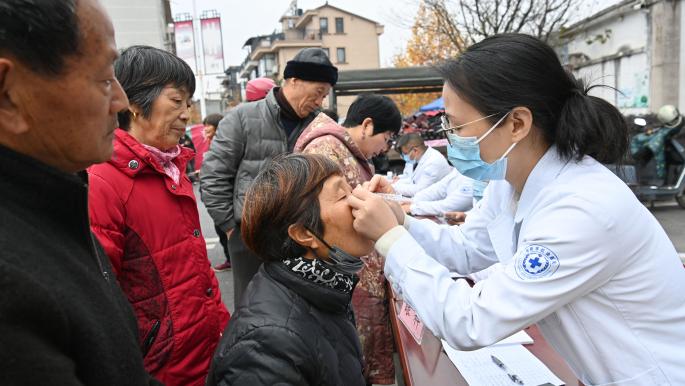
Rural areas in China are experiencing a significant decline in healthcare quality due to inadequate medical infrastructure and shortages of personnel and medications. This situation is prompting residents to migrate to cities in search of better health services.
The healthcare crisis in rural China is worsening, with residents facing severe shortages of essential medical facilities. Reports indicate that many hospitals in these areas lack the necessary equipment, negatively impacting the quality of healthcare services provided.
Details of the Situation
According to recent studies, the gap between healthcare in urban and rural areas is widening. While major cities boast advanced medical facilities, rural residents are confronted with significant challenges, such as shortages of medications and medical equipment, as well as a lack of specialized doctors.
Statistics show that a large percentage of doctors are leaving rural areas to move to cities, exacerbating the crisis of medical personnel shortages. This migration is not limited to doctors alone; it also includes nurses and technicians, further increasing the suffering of patients in those regions.
Background & Context
Historically, China has faced significant disparities in the distribution of healthcare services between urban and rural areas. Despite government efforts to improve healthcare infrastructure in rural regions, challenges remain. Rapid urban expansion in major cities has attracted many residents from the countryside, exacerbating the gap in healthcare services.
The Chinese government is striving to address these issues by implementing programs aimed at improving healthcare in rural areas, but the results are still insufficient to meet the growing challenges.
Impact & Consequences
The healthcare crisis in rural China directly affects the lives of residents, forcing many to travel long distances to receive treatment. This situation not only impacts public health but also extends to economic and social aspects, as residents face difficulties in accessing adequate healthcare services.
Moreover, the deterioration of healthcare reinforces the phenomenon of migration, as many seek to move to larger cities in search of better healthcare opportunities. This migration can lead to increased pressure on healthcare services in cities, creating a vicious cycle of health challenges.
Regional Significance
The experience of China in rural healthcare serves as an important lesson for many Arab countries facing similar challenges. Many Arab nations suffer from disparities in the distribution of healthcare services between urban and rural areas, necessitating effective strategies to improve healthcare in remote regions.
Arab countries can benefit from China's experiences in enhancing healthcare infrastructure and developing medical personnel to ensure equal healthcare services for all citizens, regardless of their place of residence.
The deterioration of healthcare in rural China highlights the urgent need for action to improve health services in these areas. The challenges faced by China in this field reflect broader issues related to the distribution of healthcare services worldwide, necessitating international cooperation to share experiences and achieve tangible improvements.