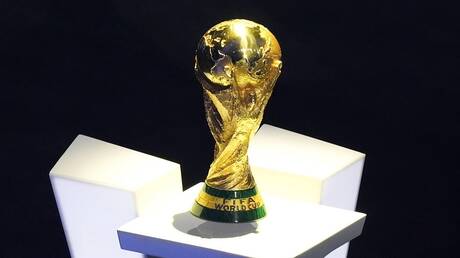
FIFA has announced that the four spots allocated for the European playoff for the 2026 FIFA World Cup, which will be held in the United States, Canada, and Mexico, will be contested by eight teams. This announcement highlights the significant challenges that European teams will face in their quest to qualify for the world's largest sporting event.
The competition among European teams is intensifying, as each of these teams vies for a chance to qualify for the World Cup. The playoff includes teams with a rich history in football, which heightens the competition and makes predicting the outcomes more difficult.
Details of the Event
The eight teams competing for the four spots in the European playoff are Sweden, Norway, Ukraine, Scotland, Kosovo, Iceland, Romania, and the Czech Republic. These teams will engage in crucial matches to determine who will earn the opportunity to play in the World Cup. The matches are scheduled to take place in March 2026, giving the teams ample time to prepare and strategize.
It is noteworthy that the European playoff system has changed in recent years, now including knockout matches between teams, which adds to the excitement and thrill. This system allows teams that were unable to qualify directly through the qualifiers a new chance to reach the World Cup.
Background & Context
Historically, European championships have always been a focal point for football fans, showcasing intense competition among teams. The 2026 World Cup will be the first event hosted by three countries, reflecting the importance of international cooperation in organizing major sporting events. This change in hosting the tournament opens new horizons for teams and players, increasing opportunities for fans to follow their favorite teams.
Over the years, European championships have seen numerous surprises, with unexpected teams qualifying for the World Cup. This year, many fans are eager to see how this competition will affect the various teams and whether new teams will emerge on the global stage.
Impact & Consequences
The limitation of playoff spots to only 8 teams reflects the challenges faced by teams in achieving success on the international level. This situation may lead to increased pressure on coaches and players, as they must deliver outstanding performances to ensure qualification. Additionally, this competition could influence the strategies that teams adopt in the upcoming qualifiers.
On the other hand, qualifying for the World Cup represents a golden opportunity for teams to enhance their reputation and increase their popularity. Teams that succeed in qualifying will benefit from significant fan support, contributing to the development of football in their countries.
Regional Significance
Although this news focuses on European teams, it has indirect effects on Arab teams. As the World Cup approaches, Arab teams are looking to strengthen their presence in the tournament, especially after the success some teams have achieved in recent years. This European competition may impact the chances of Arab teams qualifying, as the pressure on players to achieve positive results increases.
Furthermore, the success of Arab teams in qualifying for the World Cup could enhance their status on the international stage and increase the chances of attracting young talent in the region.
In conclusion, the competition for the four spots in the European playoff is a testament to the vitality of football worldwide and reflects the challenges teams face in their pursuit of global glory.