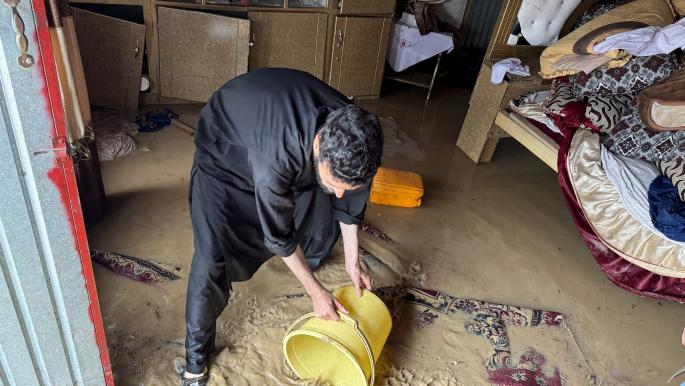
Over the past five days, Afghanistan and Pakistan have experienced devastating floods that have led to the deaths of 45 people and injured 74 others. This natural disaster comes at a critical time, as authorities in Kabul have warned of ongoing risks associated with severe weather, raising concerns about the humanitarian situation in the region.
Many areas have been significantly affected, with homes and roads submerged, displacing numerous families. Extensive damage to infrastructure has also been reported, complicating relief efforts and increasing the suffering of the affected population.
Details of the Event
These floods are among the worst the region has seen in recent years. Heavy rainfall has caused river levels to rise, leading to water flowing into residential areas. Images captured from the affected regions show horrific scenes of destruction, with streets and homes inundated, making it difficult for rescue teams to reach victims.
In Pakistan, the floods have concentrated in the northwestern regions, where the highest number of casualties has been reported. In Afghanistan, the mountainous areas have been the most affected, with landslides exacerbating the situation. The Afghan government has issued warnings to local residents to take necessary precautions.
Background & Context
These floods come at a time when Afghanistan and Pakistan are facing significant economic and humanitarian challenges. Political and economic crises have worsened living conditions for the population, making them more vulnerable to natural disasters. Historically, the region has experienced many floods, but climate change has intensified their severity and frequency.
These natural disasters serve as a stark reminder of the need to strengthen infrastructure to cope with climate challenges. Studies have shown that areas suffering from poor urban planning and infrastructure are the most affected by such disasters.
Impact & Consequences
The repercussions of the floods extend beyond humanitarian dimensions, affecting the local economy and increasing pressure on public services. With the rising number of casualties and injuries, the situation requires an urgent response from the government and humanitarian organizations. This disaster is expected to lead to increased poverty and unemployment rates in the affected areas.
The psychological impact on the population will also be significant, as many families will have to cope with the loss of loved ones and their homes. Experts have warned that the psychological crises resulting from natural disasters may persist for long periods, necessitating the provision of psychological and social support for the affected.
Regional Significance
The floods in Afghanistan and Pakistan serve as a warning to Arab countries that also face climate challenges. With the increasing severity of climate change, countries in the region may encounter similar natural disasters, necessitating proactive measures. It is crucial for Arab nations to collaborate in sharing experiences and technologies to address these challenges.
Furthermore, the humanitarian crises resulting from natural disasters may lead to new waves of refugees, increasing pressure on neighboring countries. Therefore, enhancing regional cooperation to address natural disasters is essential to ensure stability in the region.