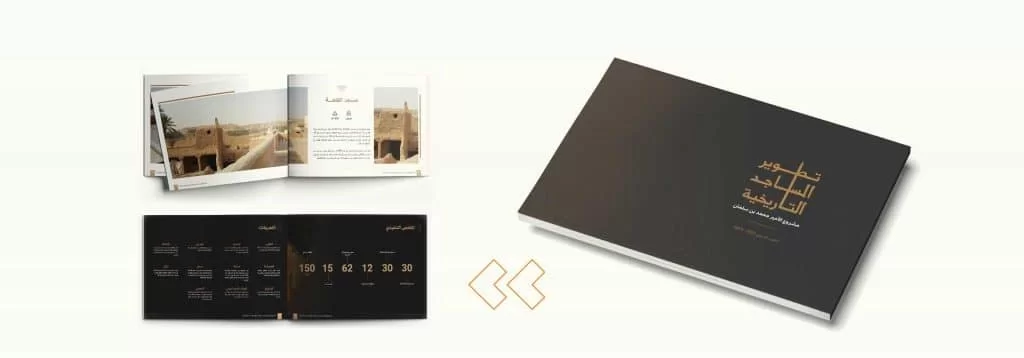
The Ministry of Islamic Affairs and Dawah in the Kingdom of Saudi Arabia has announced the commencement of a project to develop 29 mosques across seven cities, with a total cost exceeding 59 million riyals. This project is part of the ministry's efforts to improve the services provided to worshippers and enhance the infrastructure of mosques in various regions.
The project includes the development of mosques in multiple cities, reflecting the government's commitment to providing a suitable environment for worship. It is expected that this development will meet the needs of the local community and strengthen the role of mosques as cultural and social centers.
Project Details
The mosques to be developed are spread across several cities, including Riyadh, Jeddah, Dhahran, and others. The development will involve construction works and comprehensive maintenance, in addition to equipping the mosques with modern facilities that ensure the comfort of worshippers. The project also includes improving the external appearance of the mosques, aligning with the cultural and religious identity of the Kingdom.
Through this project, the ministry aims to enhance the role of mosques in society, as they are among the most important institutions contributing to the dissemination of religious and cultural awareness. The development of mosques reflects the government's interest in providing a suitable environment for worship and promoting Islamic values.
Background & Context
This initiative comes as part of the Kingdom's Vision 2030, which aims to improve the quality of life and enhance infrastructure across all sectors. In recent years, there has been an increase in government investments in mosque development projects, indicating the importance of these institutions in the daily lives of citizens.
Historically, mosques have played a pivotal role in Islamic communities, serving as centers for worship, education, and social interaction. With the rapid changes in contemporary life, it has become essential to modernize these institutions to meet the needs of modern society.
Impact & Consequences
The development of mosques is expected to strengthen social ties among community members, as mosques are gathering places for people. Additionally, improving services in mosques may encourage more individuals to participate in religious and social activities.
Furthermore, this project could have a positive impact on religious tourism, as it may attract visitors from outside the Kingdom, contributing to the enhancement of the local economy.
Regional Significance
This project serves as a model for other Arab countries seeking to improve the infrastructure of their religious institutions. This initiative could inspire other nations to develop their mosques and cultural centers, contributing to the promotion of Islamic values in the region.
In conclusion, this project reflects the Kingdom's commitment to enhancing religious and social values, reinforcing the role of mosques as vital centers in the community.