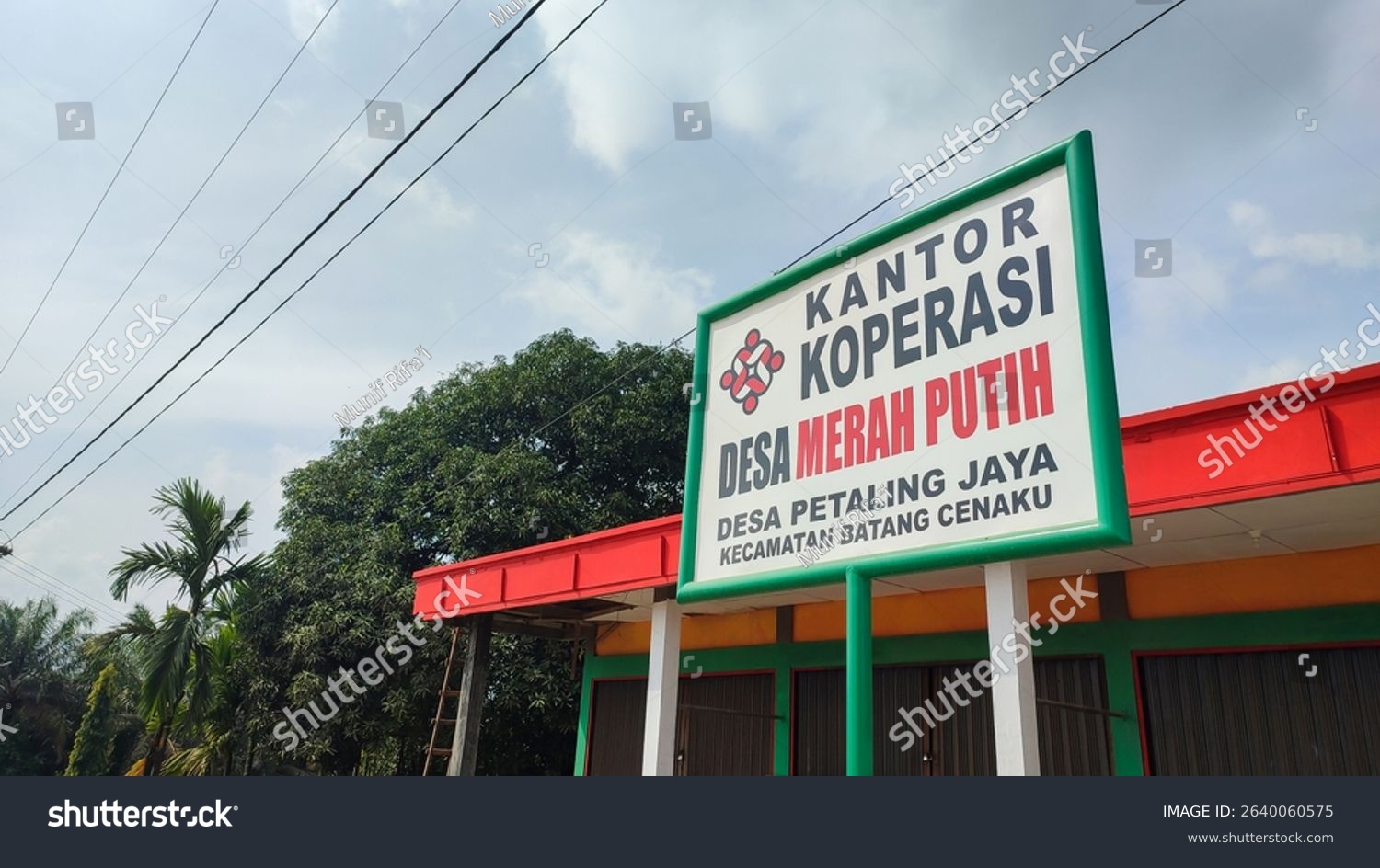
The Sigi government in Central Sulawesi has announced significant progress in the development project of the village cooperative known as Desa Merah Putih, with 46 branches established so far. Arifin, the head of the cooperatives and small and medium enterprises department in the local government, confirmed that the project aims to enhance the economic independence of local communities and provide new job opportunities.
Two branches have been completed in the villages of Loluwa and Maku, while six villages are still facing challenges in completing their projects. These villages include Tongwa, Anka, Lokwa, Karaawana, Pollo, and Badindi.
Details of the Initiative
Arifin explained that most of the land used for building these branches is owned by the local or government, which facilitates the implementation process. However, some villages face challenges related to land area, as some plots do not meet the required standards, in addition to the presence of steep slopes or proximity to rivers.
The 46 branches are distributed across 13 districts in Sigi, including areas such as Sigi Biromaru, Palolo, Gumbasa, Nokilalaki, Tanambulava, Lindu, Kulawi Selatan, Kulawi, Dolo, Dolo Barat, Dolo Selatan, Kinovaro, and Marawola.
Background & Context
The village cooperatives are part of government efforts to enhance the local economy in Indonesia, with 164 cooperatives established in Sigi, all of which have legal status. These cooperatives aim to support small and medium enterprises, which are the backbone of the local economy, and enhance the economic independence of communities.
Historically, Indonesia has seen significant growth in the number of cooperatives, as these institutions are an effective means of promoting cooperation among individuals and communities, contributing to improved living standards.
Impact & Consequences
The village cooperatives are expected to contribute to improving economic conditions in the targeted areas, providing new job opportunities and enhancing individuals' access to markets. Additionally, these cooperatives will help foster a spirit of cooperation among community members, contributing to building a more cohesive society.
Moreover, the success of this project may encourage other regions in Indonesia to adopt similar models, thereby enhancing sustainable economic development in the country.
Regional Significance
Although this project focuses on Indonesia, successful experiences in promoting cooperatives can serve as a model for Arab countries. Many Arab nations face similar economic challenges, and cooperatives can contribute to enhancing economic independence and improving living standards.
Ultimately, the village cooperative project in Sigi represents a positive step toward achieving sustainable development and reflects the importance of collaboration between the government and local communities in strengthening the economy.