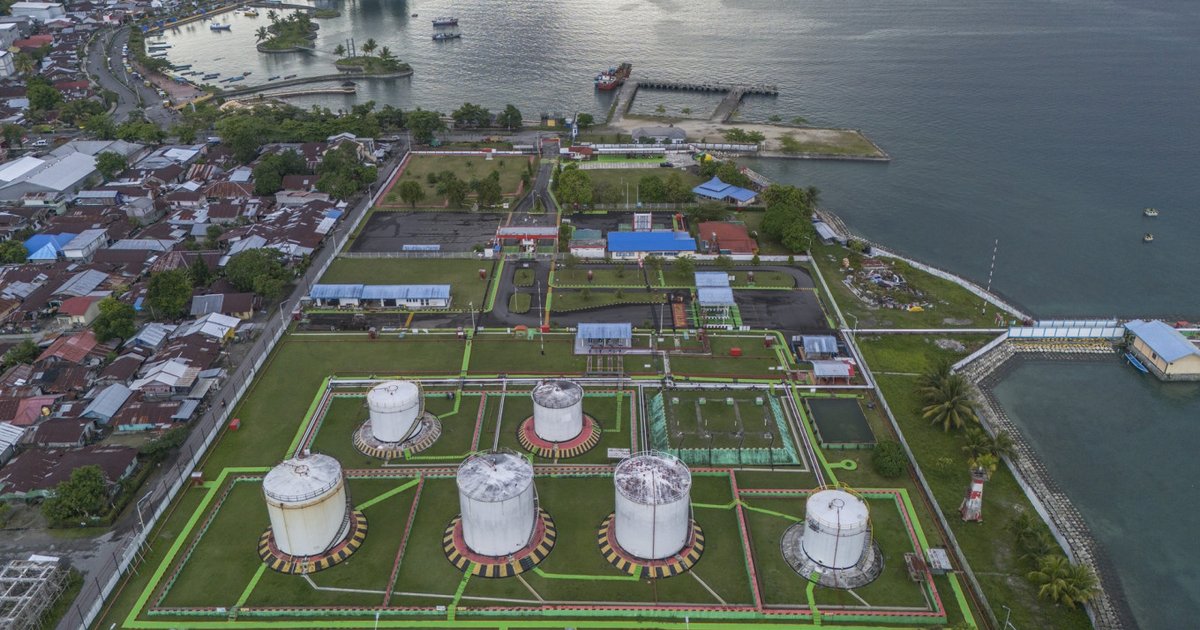
PT Pertamina Patra Niaga has reported that it will support the development of fuel stations for fishermen in remote areas, known as 3T regions, as part of the BBM Satu Harga program. This initiative aims to ensure affordable energy access for local communities, particularly in areas suffering from a lack of basic services.
In statements made by the company's marketing director, Eko Riki Susanto, he emphasized that energy provision is a crucial factor in supporting the local economy, including the fishing and maritime sectors. He noted that the new fuel station in the Bakongan Timur area represents the sixth station in South Aceh province, reflecting the company's commitment to expanding its services in remote areas.
Event Details
The new fuel station is part of the Indonesian government's efforts to improve the living standards of fishermen across various regions. The station was inaugurated in the presence of Indonesia's Minister of Cooperatives, Ferry Juliantono, who underscored the importance of this step in boosting the local economy. Several government officials attended the opening, demonstrating broad governmental support for this project.
According to company statistics, there are currently 6 fuel stations for fishermen in South Aceh province and 19 stations throughout the province, in addition to 416 stations across Indonesia. This expansion reflects ongoing efforts to ensure the availability of subsidized fuel for fishermen, contributing to the improvement of their living conditions.
Background & Context
Historically, remote areas in Indonesia have suffered from a lack of basic services, including energy services. This gap has had negative impacts on the local economy, especially in sectors that rely on energy, such as fishing. In recent years, the Indonesian government has taken tangible steps to address these issues through various programs aimed at improving infrastructure and providing essential services.
The BBM Satu Harga program is one of these initiatives, aiming to balance fuel prices across all regions, ensuring that all citizens, including fishermen, can access energy at affordable prices. This program reflects the government's commitment to achieving sustainable development throughout the country.
Impact & Consequences
The development of fuel stations for fishermen is expected to have a significant positive impact on the local economy. With subsidized fuel availability, fishermen will be able to reduce operational costs, enhancing their competitiveness in the market. This will also contribute to improving their income, positively affecting the living standards in coastal communities.
Moreover, these initiatives enhance cooperation between the government and the private sector, as PT Pertamina Patra Niaga seeks to work with local cooperatives to ensure equitable energy distribution. This collaboration can lead to sustainable improvements in the local economy and strengthen communities' capacity to face economic challenges.
Regional Significance
Although this news pertains to Indonesia, there are lessons that the Arab world can learn. Many Arab countries face similar challenges in providing energy to remote areas. The Indonesian experiences could serve as a model for improving energy access and boosting local economies through government-private sector collaboration.
In conclusion, the development of fuel stations for fishermen in Indonesia represents an important step towards improving living standards and enhancing the local economy. Providing energy at affordable prices can make a significant difference in the lives of coastal communities and reflects the government's commitment to achieving sustainable development.