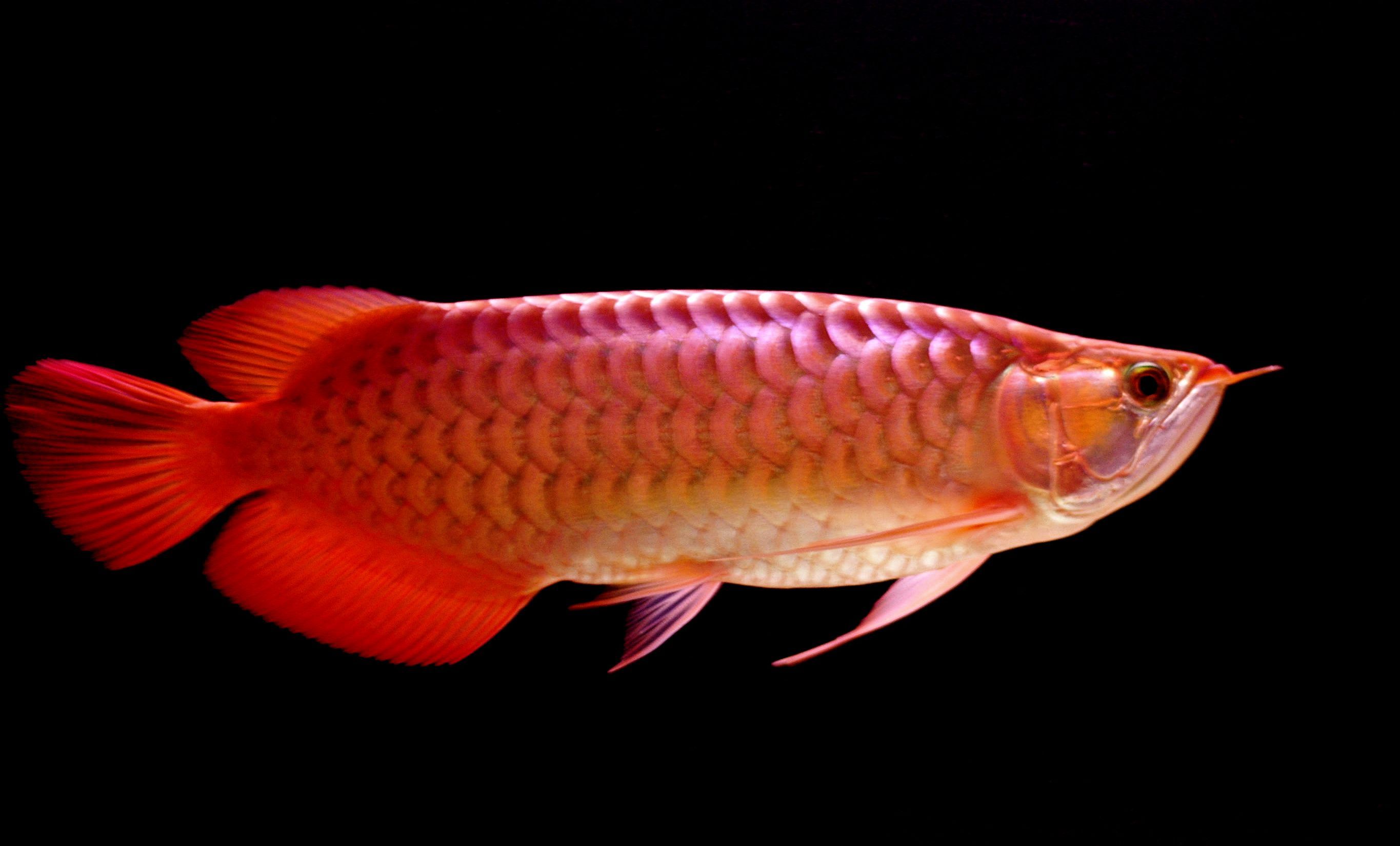
Kalimantan West Governor Ria Nursan affirmed the local government's commitment to developing arowana fish, locally known as silak, as a symbol of the creative economy and a primary export source. This statement was made during his reception of the Arowana Breeders and Traders Association in Pontianak, where he emphasized the importance of enhancing exports of this fish species to global markets.
Nursan explained that arowana fish from Kalimantan West possess high quality, making them among the best in the world. He stressed the need to facilitate bureaucratic procedures that may hinder fish breeders, noting that the government aims to expedite the export processes of this product abroad.
Event Details
During the meeting, Nursan pointed out that arowana fish is not merely a hobby but has become a high-value investment sector, contributing to job creation and enhancing the region's name internationally. He expressed concern about the obstacles facing the certification and licensing processes for transporting fish, emphasizing the importance of coordinating with relevant authorities to simplify procedures.
Nursan also highlighted the significance of promoting arowana fish through participation in international trade fairs and cultural festivals, in addition to expanding access to markets in East Asia and Europe. He mentioned the necessity of conducting research to maintain the purity of local arowana fish genes, ensuring the continuity of their quality and competitiveness in global markets.
Background & Context
Arowana fish are considered rare and beloved in the world of aquaculture, holding a special appeal for both hobbyists and investors. Historically, these fish have been regarded as symbols of wealth and success in many cultures, making them a focal point in ornamental fish markets.
Many arowana-producing countries seek to enhance their exports, as these fish are considered luxury commodities that contribute to increasing national revenues. In this context, the Kalimantan West government aims to strengthen its position as a global center for arowana fish farming by improving production quality and facilitating export procedures.
Impact & Consequences
The government's initiative to enhance arowana fish exports is a strategic step aimed at developing the local economy and achieving sustainability. This initiative is expected to attract more investments into the sector, thereby enhancing job opportunities and increasing local farmers' income.
Moreover, improving bureaucratic procedures and facilitating export processes may open doors for local fish breeders to enter new markets, enhancing the competitiveness of local products on an international level. It is also crucial to focus on quality and innovation to ensure continued success in this sector.
Regional Significance
Although the news pertains to Kalimantan West, there are lessons that Arab countries can learn from this experience in the field of fish farming. Arab nations with suitable environments for aquaculture can draw inspiration from this initiative to boost their exports in this area, especially given the increasing demand for ornamental fish.
These initiatives can also contribute to enhancing cooperation between Arab countries and arowana-producing nations, opening new avenues for trade and investment in this vital sector.