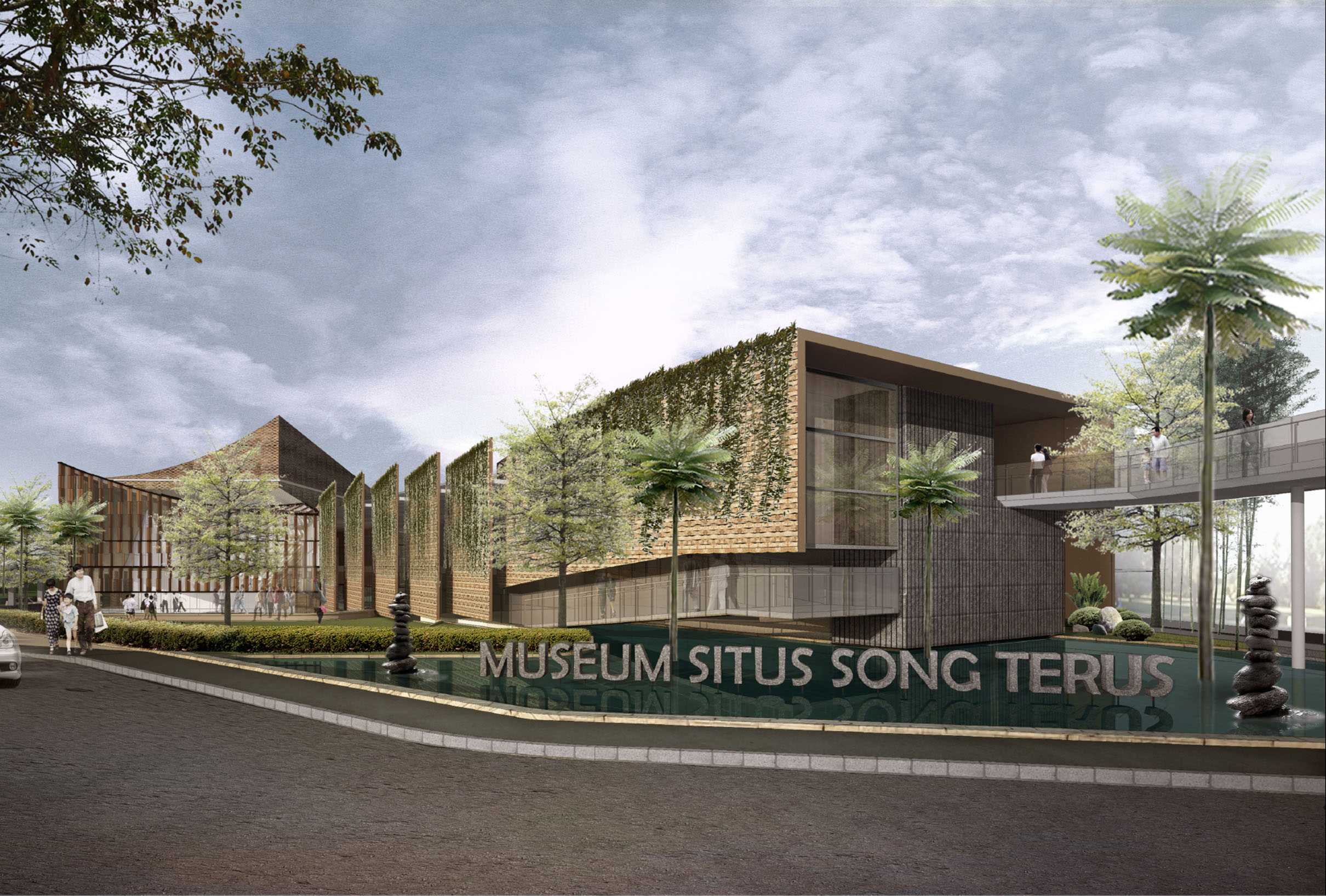
Indonesian Culture Minister Fadhli Zon emphasized the importance of developing the Museum of Song Truss in Pacitan to become a cultural and educational center that contributes to a comprehensive narrative of human civilization in Nusantara. This statement was made during a press conference held in Jakarta, where the minister pointed out that the museum houses cultural artifacts dating back approximately 300,000 years, including discoveries related to primitive humans such as Mba Sayem, believed to have lived around 8,500 years ago.
Fadhli Zon explained that the museum serves as a window into the history of human civilization in Pacitan, where visitors can learn about the evolution of human life from ancient times to the modern era. He stressed the need to enhance the museum's role by providing facilities that support the learning experience, such as 3D film screening rooms and arts and culture facilities.
Event Details
The Museum of Song Truss was built to highlight the results of archaeological research conducted in the karst region of Pacitan over several decades. This area is considered one of the important sites in prehistoric studies in Indonesia, where stone tools and animal remains have been found, indicating the continuity of human habitation over long periods.
The region is also notable for being part of the karst landscape of Sewu Mountain, which holds significant scientific and cultural value. The minister hopes that the museum will become an active cultural center, not only for preserving heritage but also for serving as an educational tool for the community.
Background & Context
Historically, the Pacitan region has witnessed numerous archaeological studies that began during the colonial period, with scholars like Von Koningswald contributing to significant discoveries. Since then, Indonesian researchers have continued to explore the area, enhancing the understanding of human history in the archipelago.
The importance of museums in today's world as educational and cultural spaces is increasing, playing a vital role in preserving cultural heritage and raising historical awareness among new generations. Therefore, the development of the Museum of Song Truss is part of ongoing efforts to promote culture and education in Indonesia.
Impact & Consequences
The development of the Museum of Song Truss is a significant step toward enhancing cultural tourism in Indonesia, as it can attract both local and international visitors. By offering rich educational experiences, the museum can contribute to fostering cultural and historical understanding among visitors.
Moreover, this development reflects the Indonesian government's commitment to preserving and promoting cultural heritage, which may lead to increased awareness of the importance of culture and history within society.
Regional Significance
Although the news pertains to Indonesia, there are lessons that Arab countries can learn. Emphasizing the importance of museums as educational and cultural centers can inspire Arab nations to develop their museums and enhance their roles in preserving cultural heritage.
The experience of the Museum of Song Truss can serve as a model for the Arab world, where cultural institutions can play a pivotal role in promoting cultural identity and educating new generations.