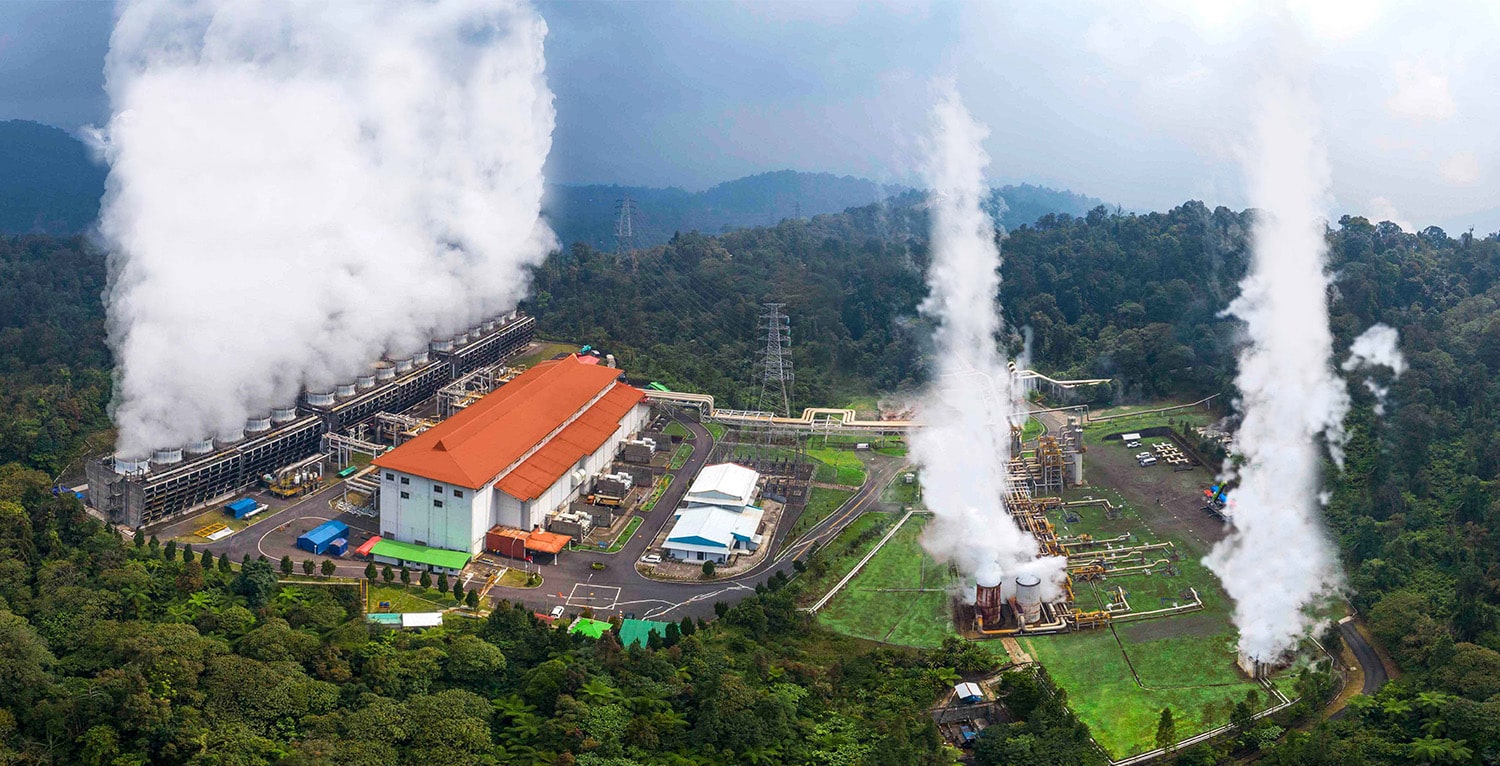
PT Pertamina Geothermal Energy Tbk (PGEO) has signed a cooperation agreement with Gadjah Mada University and PT Agrotekno Estetika Laboratoris to develop a new project named "Project Beyond-Katrili." This initiative aims to innovate an eco-friendly agricultural booster that relies on geothermal energy, reflecting the commitment of these parties to promote sustainability in the agricultural sector.
In a statement, PGEO's Operations Director, Andi Joko Nugroho, emphasized that this collaboration represents a strategic step towards maximizing the use of natural resources in Indonesia. He noted that "hydrocarbons are not the only energy source; we must explore new ways to utilize geothermal energy in various fields, including agriculture."
Event Details
The "Beyond-Katrili" project involves developing an agricultural booster that contains components such as silica and chitosan, which are developed using waste from shrimp and crab shells that are abundant in Indonesia. These components not only help reduce waste but also enhance crop quality and protect plants from diseases.
The booster is applied by mixing it with water and spraying it directly onto the soil, with the quantity adjusted according to the type of soil and the crops being cultivated. This technique has been applied to a variety of crops such as tomatoes, onions, and rice, proving effective in improving productivity.
Background & Context
Indonesia is one of the largest producers of natural resources; however, it faces significant challenges in food security and environmental sustainability. In recent years, there has been an increasing need for innovations that combine energy and environmental considerations, prompting many companies and academic institutions to collaborate on new projects.
Historically, Indonesia has heavily relied on fossil fuels, but with growing environmental awareness, there has been a shift towards renewable energy sources such as geothermal energy. This transition aligns with global efforts to combat climate change and promote sustainability.
Impact & Consequences
The "Beyond-Katrili" project represents an important step towards achieving food security in Indonesia, as it seeks to increase agricultural productivity through the use of new technologies. Furthermore, this collaboration between the public and private sectors can encourage further innovations in sustainable agriculture.
Moreover, utilizing geothermal energy in agriculture can reduce reliance on chemical fertilizers, contributing to improved soil quality and environmental health. This type of innovation could serve as a model for other countries seeking to achieve food security and sustainability.
Regional Significance
Arab countries also face challenges in food security, with many relying on food imports. Innovations like the "Beyond-Katrili" project could inspire Arab nations to develop sustainable agricultural techniques based on renewable energy sources.
Additionally, collaboration between universities and companies in research and development can enhance local capabilities and lead to improved agricultural productivity in the region. Such projects can contribute to achieving sustainable development goals in Arab countries.