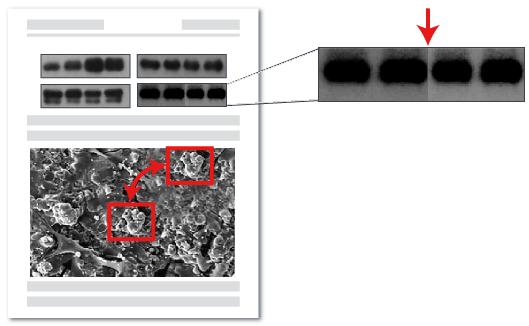
Professor Kisuara Agung Santoso from Gembira University in Indonesia has developed an innovative method for detecting digital image manipulation. This technique relies on a simple mathematical concept known as the 'magic square', allowing for precise identification of altered image parts. In the age of digital technology, image editing has become increasingly accessible, raising concerns about the credibility of images used across various fields.
This new method acts as a hidden watermark that can reveal manipulated sections of an image. Professor Kisuara pointed out that this phenomenon is not limited to entertainment images on social media but also includes important documents such as certificates and legal papers.
Details of the Development
Kisuara was inspired by images circulated on social media, where a person's head is combined with another body, making the image appear realistic. From this, he began researching a way to identify the modified parts. He developed a method based on 'steganography' technology, which allows for hiding 'secret codes' within the image without affecting its appearance.
This technique utilizes a 3x3 magic square, where numbers are arranged in a way that makes the sum of the numbers in each row, column, and diagonal equal. This mathematical balance serves as a 'digital fingerprint' for the original image. When applying this technique, the image is divided into small blocks, and the magic code is embedded into the smallest color components.
Background & Context
Historically, image manipulation has evolved significantly with technological advancements. Previously, edits required advanced skills and complex tools, but today, anyone can easily use photo editing applications. This development has led to a rise in cases of image manipulation, raising concerns about the credibility of disseminated information.
There is an increasing need for effective tools to detect image manipulation, especially in light of the spread of fake news and misleading information. Developing new methods for detecting manipulation is a crucial step towards enhancing transparency and credibility in digital content.
Impact & Consequences
This new method represents an important step in the field of digital security, as it can be utilized across various sectors such as journalism, law, and security. This technique can help protect the legal rights of individuals and institutions from information manipulation.
Furthermore, this technology can contribute to enhancing trust in digital content, helping to reduce the spread of fake news. In a world increasingly reliant on digital images, the ability to verify their authenticity is vital.
Regional Significance
In the Arab region, where the importance of digital media is growing, this technique could be beneficial in combating fake news and information manipulation. With the increasing use of social media as primary platforms for news dissemination, the need for effective tools to verify content becomes more urgent.
This method can help enhance the credibility of Arab media, fostering public trust in the information shared. Given the challenges faced by the region, promoting transparency and credibility is essential.