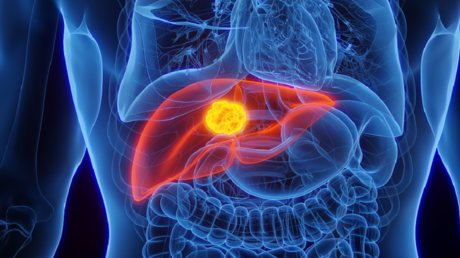
Scientists have announced the development of new software algorithms capable of accurately predicting the risk of liver cancer, relying solely on standard medical data. This technology marks an important scientific achievement in the field of medicine, aiming to enhance early diagnosis opportunities for a disease that ranks among the deadliest types of cancer.
The new algorithms depend on analyzing a wide range of medical data, including laboratory test results and patients' medical records. This innovation can help reduce the time taken to reach an accurate diagnosis, thereby increasing the chances for early and effective treatment for patients.
Details of the Development
These algorithms are part of ongoing efforts to improve cancer detection techniques, having been tested on a group of patients, where they demonstrated a high level of accuracy in identifying risks. Studies have shown that early detection of liver cancer can significantly increase survival rates, making this technology particularly important.
The new algorithms incorporate artificial intelligence and machine learning techniques, allowing them to analyze data faster and more accurately than traditional methods. This development is a significant step towards utilizing modern technology in the healthcare sector.
Background & Context
Liver cancer is one of the most common types of cancer worldwide and poses a major challenge to healthcare systems in many countries. According to the World Health Organization, liver cancer causes over 700,000 deaths annually, making it one of the leading causes of cancer-related mortality.
Historically, liver cancer detection relied on traditional examinations, such as X-rays or MRI scans, which may not always be accurate. However, recent advancements in medical technology provide new opportunities to improve patient outcomes.
Impact & Consequences
These new algorithms represent a powerful tool for doctors, as they can contribute to improving the quality of healthcare and reducing costs associated with late-stage treatment. Additionally, early detection of the disease can alleviate pressure on hospitals and healthcare resources.
Moreover, this technology may pave the way for developing new methods for detecting other types of cancer, enhancing healthcare systems' ability to tackle challenges associated with cancer diseases.
Regional Significance
In the Arab region, where liver cancer rates are rising, this technology could have a significant impact. Many Arab countries suffer from a shortage of healthcare resources and advanced technologies, making innovations like this essential for improving healthcare.
These algorithms could enhance early screening programs in Arab countries, helping to reduce mortality rates associated with liver cancer. Furthermore, this technology could serve as a model for developing innovative health solutions to address health challenges in the region.
In conclusion, the development of these algorithms represents an important step towards improving liver cancer diagnosis, enhancing early treatment opportunities, and reducing the health and economic burdens associated with this disease.