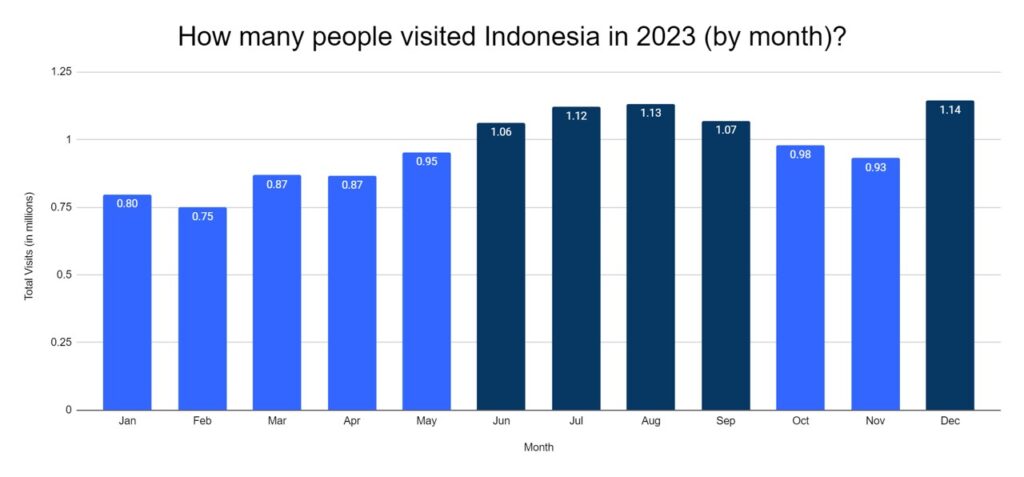
In a move aimed at enhancing the tourism sector in Indonesia, member of the Indonesian Parliament's tourism committee, Athari Gouthi Ardi, stressed the importance of developing new strategies that encourage tourists to stay longer and increase their spending. This statement was made during remarks at the parliament complex in Jakarta, where he noted that current challenges require the Ministry of Tourism to work on achieving a balance in distributing economic benefits across various regions, rather than focusing solely on major tourist destinations.
Ardi explained that tourism is no longer just about attracting visitors; it must also encompass how to keep those visitors in the country for longer periods, thereby contributing to increased spending. He pointed out that this requires the government to enhance human resource capabilities in the tourism sector, which also necessitates a change in the approach to developing these resources.
Event Details
In his address, Ardi highlighted the importance of programs implemented by the Ministry of Tourism to improve the quality of education and vocational training in this sector, including education at hospitality institutes. However, he emphasized the need to shift from focusing on the number of training courses and certificates to concentrating on the actual outcomes achieved by these programs, such as increasing job opportunities and improving the quality of services provided.
He also called for the implementation of an employment system based on tourist destinations, allowing local workers to engage directly in the tourism value chain. He affirmed that this system should encompass all regions, not just tourist villages and priority areas, but also other regions with significant potential.
Background & Context
Indonesia is considered one of the most diverse tourist destinations in the world, boasting unique natural and cultural beauty. However, the challenges facing the tourism sector in the country necessitate innovative strategies to ensure its sustainability. Historically, tourism in Indonesia has been heavily concentrated in certain areas like Bali, leading to an uneven distribution of economic benefits across other regions.
In recent years, the Indonesian government has witnessed increasing efforts to promote sustainable tourism by improving infrastructure and developing training programs. Nevertheless, there remains much work to be done to ensure that all regions benefit from this vital sector.
Impact & Consequences
Tourism is one of the main sources of revenue in Indonesia, significantly contributing to the national economy. Therefore, enhancing new strategies to attract tourists and increase their length of stay could lead to improved economic conditions in many areas. Additionally, improving the quality of tourism services can contribute to enhancing Indonesia's reputation as a global tourist destination.
Furthermore, increasing the length of tourist stays will create more job opportunities and improve the living standards of many local residents, contributing to sustainable development.
Regional Significance
Tourism is a vital sector that can help strengthen economic relations between Indonesia and Arab countries. With the increasing number of Arab tourists visiting Indonesia, developing new strategies to attract these tourists and extend their stays could open new avenues for cooperation between both sides.
Moreover, successful experiences in developing tourism in Indonesia can serve as a model for Arab countries seeking to enhance their tourism sectors, thereby boosting investment opportunities and cultural exchange.