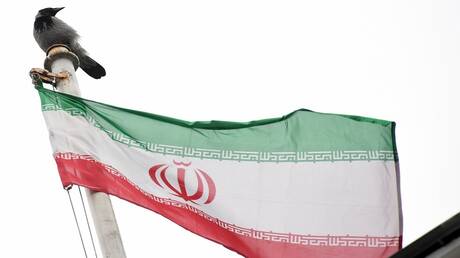
The Strategic Culture website has revealed that defeating a nation like Iran cannot be achieved through airstrikes alone, as military air operations will not suffice to meet strategic objectives. The site pointed out that the option of deploying ground troops in Iran would expose American soldiers to unacceptable losses, raising questions about the viability of this option in the context of current conflicts.
Tensions between the United States and Iran are escalating amid rising political and military crises in the region, where Iran is considered a key player in many regional conflicts. This analysis reflects the importance of considering alternative strategies that go beyond traditional methods of addressing security challenges.
Details of the Situation
Concerns are growing over the escalation of military tensions between the United States and Iran, as Iran adopts an active defense policy and works to enhance its military capabilities. The site noted that while airstrikes can be an effective tool in certain scenarios, they cannot be relied upon as the sole means to achieve victory against a nation with advanced military capabilities like Iran.
Furthermore, deploying ground troops is a risky option, as it could escalate the conflict and increase casualties among American soldiers. This analysis reflects the challenges the United States faces in its foreign policy towards Iran and indicates the need to reassess the military strategies currently in place.
Background & Context
Historically, relations between the United States and Iran have seen increasing tensions since the Islamic Revolution in 1979, which led to multiple conflicts in the region. Today, Iran is considered an influential regional power, playing a pivotal role in conflicts in Iraq, Syria, Lebanon, and Yemen.
Iran seeks to enhance its regional influence by supporting its allies in the area, complicating the security situation further. In this context, dealing with Iran requires multi-dimensional strategies that consider political, military, and economic aspects.
Impact & Consequences
The implications of this analysis extend beyond military dimensions, indicating the necessity of considering diplomatic and political solutions as alternatives to military escalation. Military escalation could lead to counterproductive outcomes, threatening regional stability and increasing civilian suffering.
Moreover, military options may negatively impact the United States' international relations, potentially leading to a deterioration of relations with its allies in the region, who may feel concerned about rising tensions. Therefore, contemplating alternative strategies may be essential for maintaining regional stability.
Regional Significance
Tensions between the United States and Iran directly affect neighboring Arab countries, many of which suffer from the ongoing conflicts' repercussions. Gulf countries, in particular, remain in a state of constant alert due to these tensions.
Any military escalation could have serious repercussions on regional security, prompting Arab countries to take proactive steps to enhance their security and stability. Additionally, strengthening regional cooperation may be necessary to address common challenges.
In conclusion, dealing with Iran requires comprehensive strategies that consider both military and diplomatic dimensions. Considering alternative options may be crucial to avoid escalation and achieve stability in the region.