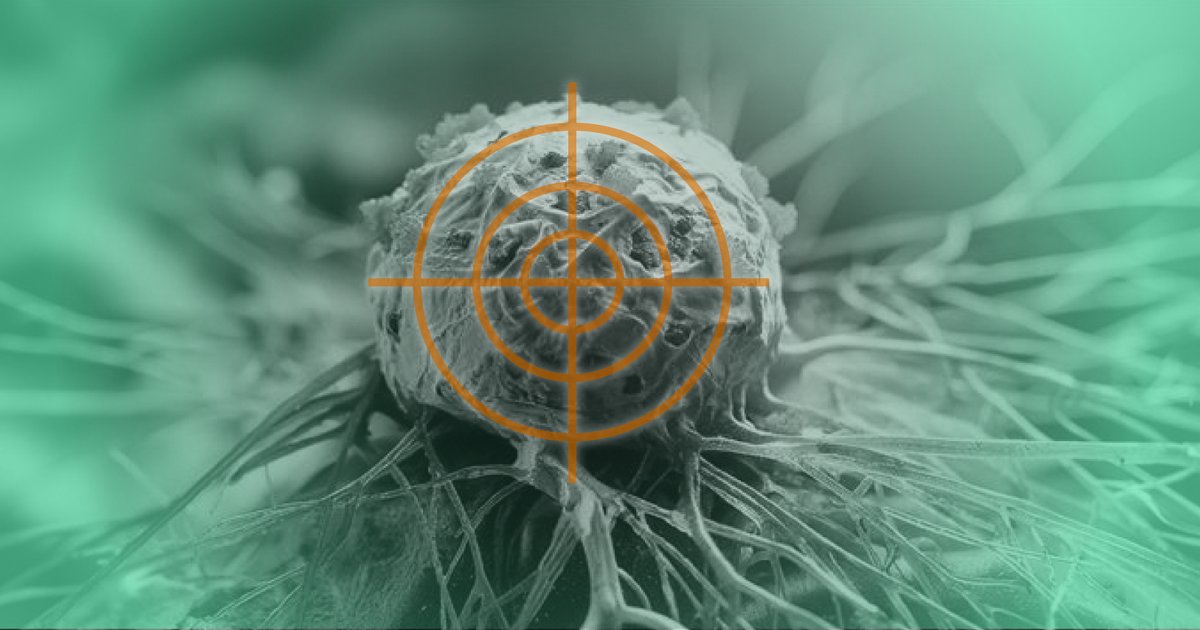
Researchers at NYU Abu Dhabi have developed smart particles with exceptional capabilities to detect and treat cancerous tumors, paving the way for more precise and safer treatments.
This modern technique is a scientific breakthrough that contributes to improving treatment effectiveness and reducing side effects associated with traditional therapies. These particles are designed to accurately identify cancer cells, allowing for targeted treatment directly at the tumors without affecting surrounding healthy tissues.
Event Details
These smart particles incorporate advanced techniques in nanotechnology, developed using innovative materials that enable them to interact with cancer cells. Preliminary studies have shown the effectiveness of these particles in laboratory experiments, opening the door for their use in future clinical applications.
The research team is working to enhance these particles to be more efficient in targeting tumors while reducing the required drug dosages, contributing to lower treatment costs and increasing patients' chances of recovery.
Background & Context
Cancerous tumors are among the most significant health challenges facing the world today, with incidence rates increasing markedly in recent years. According to the World Health Organization, cancers are a leading cause of death in many countries, necessitating the development of new therapeutic strategies.
Recent research aims to utilize advanced technology in cancer treatment, with smart particles representing a crucial step toward achieving this goal. Previous studies have indicated that using nanotechnology can enhance treatment effectiveness and reduce side effects.
Impact & Consequences
If these particles prove effective in clinical trials, they could revolutionize the way cancerous tumors are treated. This technology will contribute to improving patients' quality of life and reducing treatment-related costs.
Moreover, these scientific achievements could encourage further investments in medical research, contributing to the development of new and innovative treatments for a variety of diseases.
Regional Significance
These advancements in cancer treatment represent new hope for many Arab countries suffering from high cancer incidence rates. This research could improve healthcare and provide more effective treatment options for patients in the region.
Furthermore, collaboration between academic and research institutions in the Arab world can enhance the region's ability to face future health challenges.