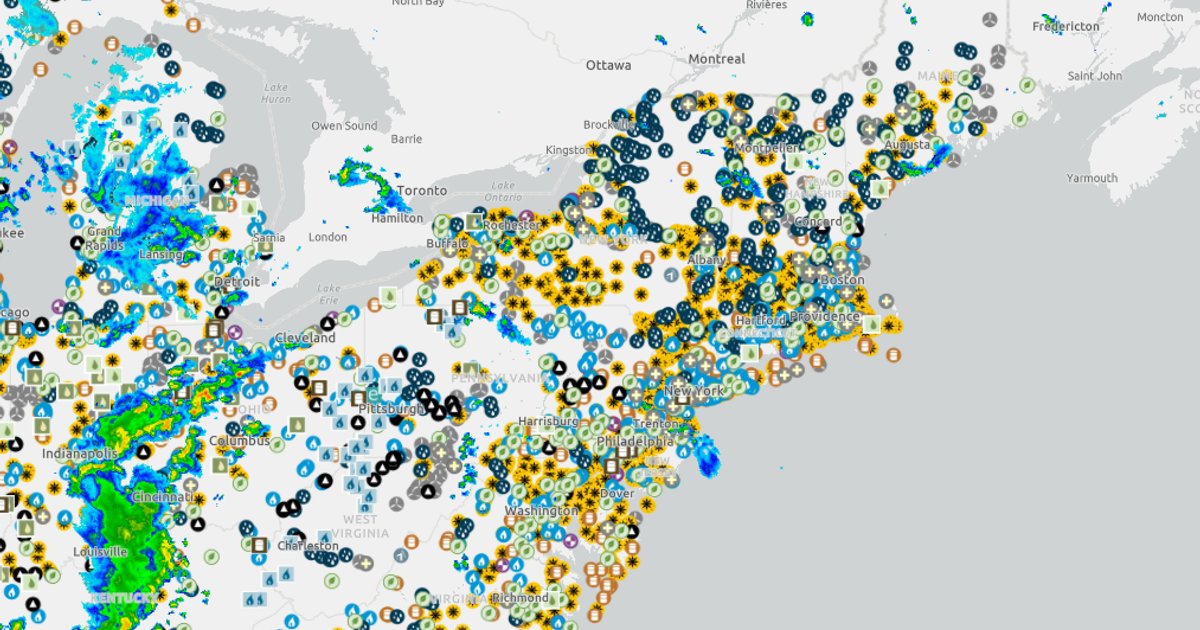
Energy market disruptions are on the rise due to armed conflicts, necessitating the development of effective tools to monitor these changes. As crises become more frequent, the need for precise mechanisms to track the impact of war on energy becomes increasingly urgent.
Tracking tools for energy disruptions are essential elements that contribute to understanding the effects of conflicts on energy supplies and prices. With escalating geopolitical tensions, energy markets are experiencing sharp fluctuations that affect the global economy, prompting the need for new strategies to monitor these changes.
Event Details
The new tools include advanced technologies that rely on big data and artificial intelligence, which assist in analyzing data related to energy production and consumption. These tools provide accurate information about market movements and price forecasts, enabling countries and companies to make informed decisions during crises.
These tools also encompass electronic platforms that allow users to track changes in oil and gas prices, in addition to performance indicators that reflect the market's state in real-time. These technologies represent a significant step towards improving transparency in energy markets.
Background & Context
Historically, energy markets have witnessed numerous disruptions due to armed conflicts, such as wars in the Middle East and their impact on oil supplies. These events have led to significant increases in energy prices, affecting the global economy as a whole.
In recent years, geopolitical crises have become more complex, as factors such as climate change and the transition to renewable energy intersect with traditional tensions. This situation requires new tools to monitor the rapid changes in the market.
Impact & Consequences
Disruptions in energy markets affect all aspects of economic life, from fuel prices to production costs across various industries. These changes lead to increased inflation and a decline in economic growth in many countries.
Moreover, instability in energy markets can exacerbate humanitarian crises in conflict-affected areas, where communities suffer from shortages of essential supplies.
Regional Significance
The Arab region is one of the most affected areas by fluctuations in energy markets, as many countries rely on oil and gas exports as a primary source of revenue. Any disruptions in these markets directly impact the economies of these countries.
Under these circumstances, it becomes essential for Arab countries to develop effective strategies to monitor changes in energy markets, including investing in modern technologies that help improve their ability to adapt to crises.
In conclusion, developing tools to track energy disruptions is a vital step towards enhancing economic stability amid increasing crises. By improving the ability to monitor changes, countries and companies can make more informed decisions, contributing to reducing the negative impact of conflicts on energy markets.