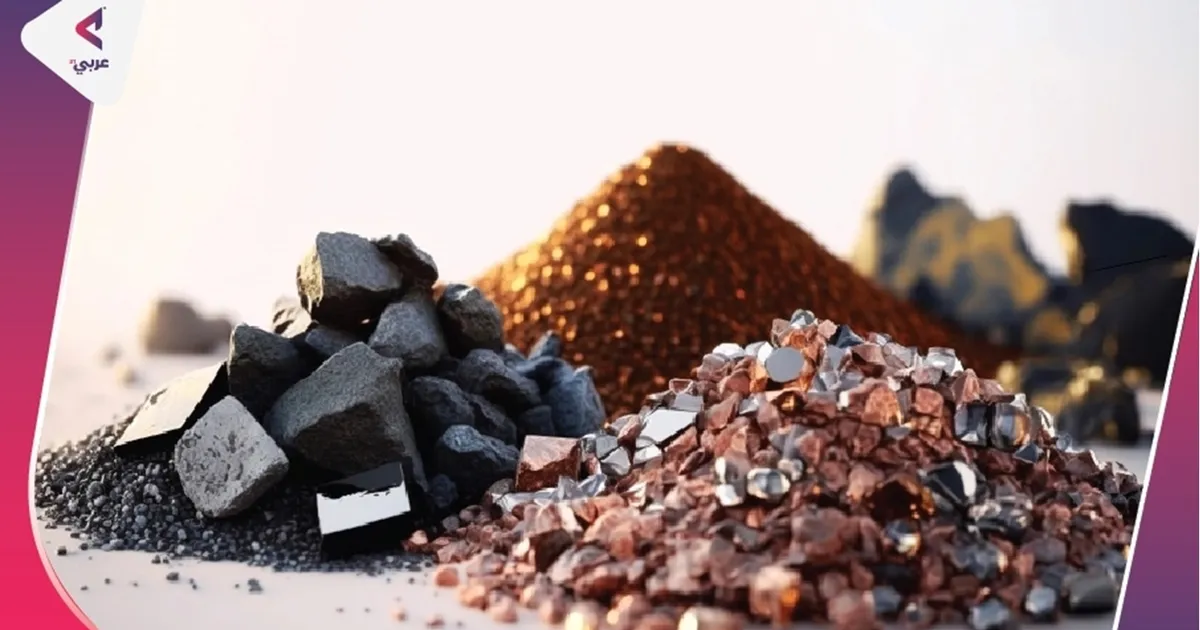
Australian company Lynas, a leader in rare earth metals production, has partnered with South Korea's LS Cable & System to explore the development of a rare earth metals plant in Vietnam. This announcement comes at a time when the demand for these metals is increasing, as they are used in a wide range of technological applications, including electronics and electric vehicles.
Rare earth metals are essential elements in the manufacturing of many modern devices, making this project strategically important for both countries. The factory is expected to enhance local production capabilities in Vietnam and strengthen cooperation between the two nations in the technology sector.
Event Details
Lynas, considered one of the largest producers of rare earth metals globally, aims to expand its operations through this new project. The factory is expected to be established in a strategic location in Vietnam, facilitating access to the growing Asian markets.
This move comes amid rising global demand for rare earth metals, particularly with the shift towards clean energy and sustainable technology. Both companies have confirmed that they will work on developing new technologies to improve production efficiency and reduce environmental impact.
Background & Context
Historically, rare earth metals have been primarily extracted from China, which controls about 60% of global production. However, trade tensions between China and Western countries, along with environmental concerns, have prompted many nations to seek alternative sources. In this context, Vietnam is considered a promising destination for investment in the rare earth metals industry.
Many countries, including the United States and Europe, are striving to reduce their dependence on China in this field, opening the door for new projects in countries like Vietnam. This collaboration between Lynas and LS Cable & System is part of this global strategy.
Impact & Consequences
This project is expected to have a significant impact on the global rare earth metals market. As production increases in Vietnam, market dynamics may shift, leading to lower prices and increased competition. Additionally, this project could contribute to the creation of new job opportunities in the region, boosting the local economy.
Furthermore, developing a rare earth metals plant in Vietnam could encourage more foreign investments in the country, enhancing its status as an industrial hub in Southeast Asia. This collaboration may also strengthen economic ties between Vietnam and South Korea, contributing to sustainable development in the region.
Regional Significance
Although this project is located in Vietnam, it has implications for the Arab region. With the growing demand for rare earth metals, Arab countries may seek to explore similar opportunities in this field. Rare earth metals are crucial for developing modern technology, including renewable energy, aligning with the vision of many Arab nations towards transitioning to more sustainable economies.
Moreover, cooperation between countries in the rare earth metals sector could enhance economic partnership opportunities between Arabs and Asia, contributing to sustainable development in the region.